

WATCH NOW
Watch on the app














The unbeatable rhythm: Why Latin music is conquering the United States without asking for permission
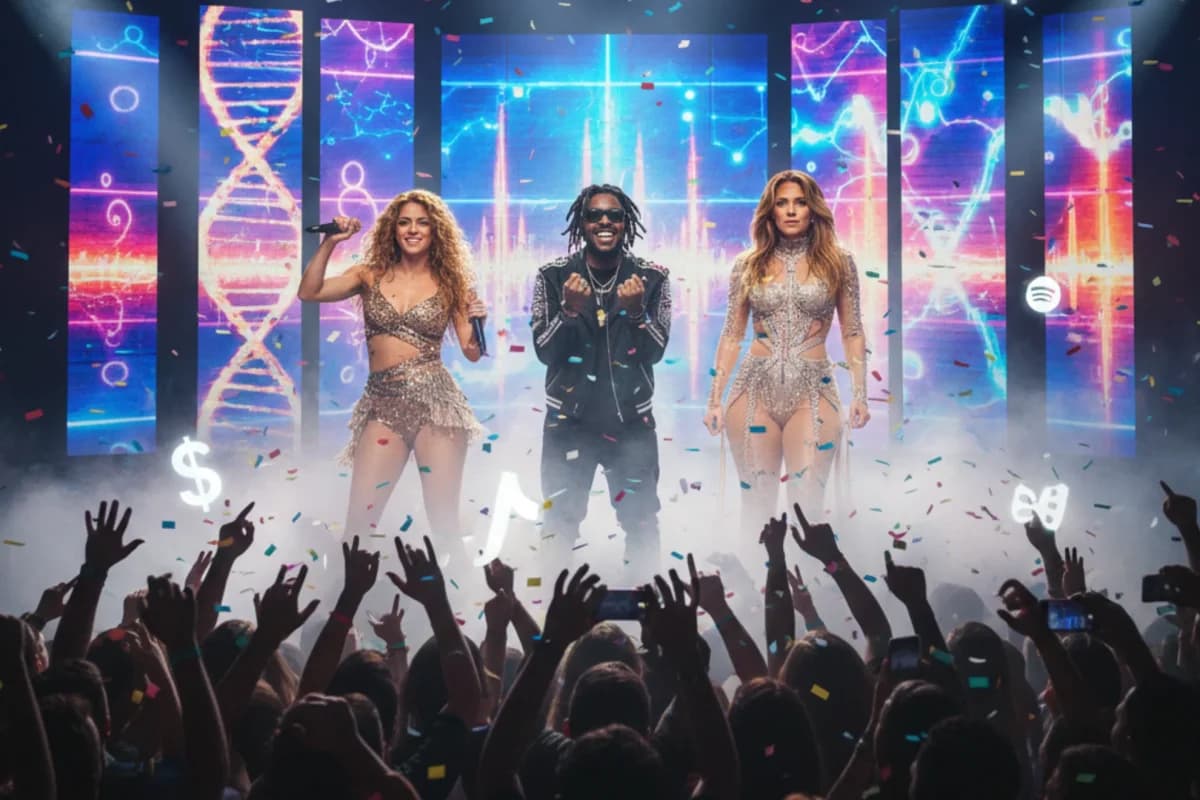
Gone are the days when Latin artists had to record English versions to stand a chance in the United States mainstream. Today, Spanish language music has not only conquered new spaces but is setting trends and redefining the global sound, an unstoppable phenomenon that, more than a fad, is a powerful affirmation of identity, reflecting the growing demographic and cultural power of the Hispanic community.
From niche to phenomenon: The explosion of numbers
The rise of Latin music is not just explained by the growth of the Hispanic population, which already exceeds 65 million people in the country, but rather responds to a profound cultural shift. The numbers undoubtedly confirm this, as Latin music generated a record $1.4 billion dollars in revenue in 2023, a 16% increase over the previous year, representing nearly 8% of total recorded music revenue in the United States; this allows artists like Bad Bunny, Karol G, Peso Pluma and Bizarrap to top the charts and prove that spanish is, officially, the language of pop.
Cultural resistance wins the battle
For decades, Latin creators faced linguistic, social and racial barriers to recognition. However, the current generation of artists decided not to assimilate dominant standards but instead championed genres like reggaetón, regional Mexican and Latin trap that have adapted to global audiences without losing their essence. Today’s Latin music is defined by a shared aesthetic, sound and attitude that goes beyond language, using Spanglish and fusions with hip hop or electronic music as an act of critical appropriation of space, meaning the message is clear: music in spanish no longer appears subordinate, but rather as a central and powerful element of cultural creation.
The transformative power of female voices
A crucial factor in this conquest has been the rise of female artists, where figures like Shakira, Anitta, Rosalía, Karol G, and Becky G are not only claiming their space in historically male genres but are redefining the scene. Although representation challenges persist in the charts, these women are using their art to transform narratives; for instance, Karol G maintains a constant presence in the tops and has achieved historic milestones on platforms like Spotify, which proves that female talent is an undeniable driving force in Latin expansion.
The future: Connection and feeling
Industry experts agree that the future of Latin music is enormous, as it no longer just connects people by age, gender or origin, but functions as an element of unity between hispanic cultures and many North American audiences who find in these rhythms a feeling, a story and a cadence they embrace as their own. In an increasingly divided world, Latin music is consolidating itself as a factor of unity and emotional reaffirmation, a testament that its triumph is proof that Latin identity and pride have reached the top to stay.
