

WATCH NOW
Watch on the app











The bilingual superpower: Why spanglish is the fastest growing hybrid language in the world
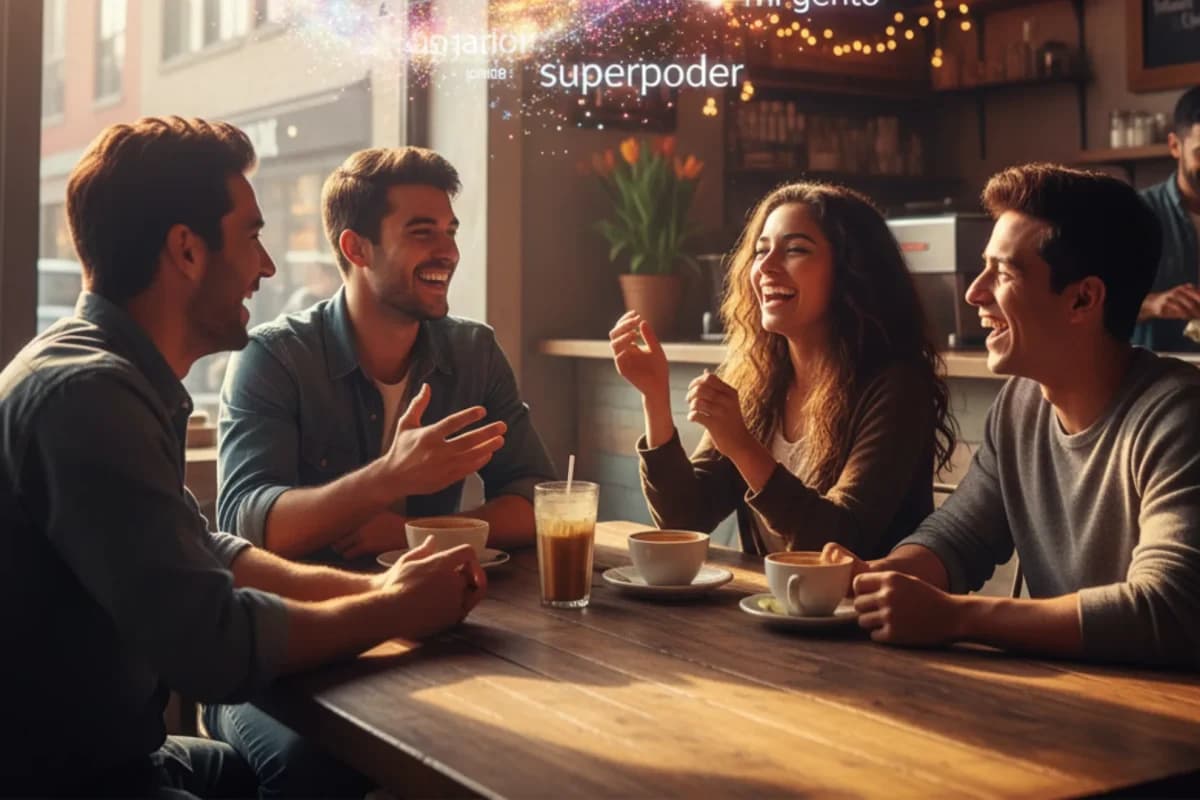
Spanglish, that vibrant linguistic blend of Spanish and English, has ceased to be mere border jargon or a symptom of incomplete assimilation. It has evolved into a global phenomenon and the fastest growing hybrid variety in the world. Today, speaking Spanglish is a powerful declaration of identity: it means being from here and there, being fluent in two cultures, and mobilizing that knowledge simultaneously. Experts estimate that over 50 million people speak this mix in one form or another, including some 35 to 40 million Hispanics in the United States, a number that will only continue to rise as the Latino community grows in the coming decades.
“Translanguaging” and its multiple forms
People who master Spanglish possess a skill known as “translanguaging,” the ability to move fluidly between various languages without interrupting communication, utilizing their entire linguistic repertoire at different moments. This language manifests in multiple ways: alternating between English and Spanish in a single sentence (code switching), blending words, or taking an English verb and converting it into Spanish (like parquear from “to park”), or applying Spanish syntactic structures to English (e.g., “the car blue”). Far from being an error, this fluidity demonstrates high-level academic knowledge that not everyone can achieve.
From stigma to cultural pride
For decades, Spanglish was viewed with rejection and hostility, both in the United States and in countries of origin, where it was criticized for “corrupting” Spanish. Speakers were reprimanded by their own parents with the command to speak “either in English or in Spanish,” and even the school system attempted to force a transition to a single language. However, this hybrid language prevailed as a way to adapt to the United States without losing the original culture, a tool that allows the heritage to be kept alive while navigating a new environment. Academics agree: Spanglish is not an intermediate step to acquiring English, but a recognition that the Latino culture has its own language, one that is neither fully Spanish nor fully English.
The media army of spanglish
A way of speaking that originated in the 19th century on the U.S.-Mexico border and expanded with the great migrations of the 20th century is now a global phenomenon that has moved “from the cultural periphery to the center.” The acceptance of Spanglish is largely due to the “media army” that has promoted it, including plays, novels, social media, and, above all, music. Latin artists, especially in reggaetón and the urban genre, have carried Spanglish to the top of the music charts and its use has been normalized even in the commercial sphere, with corporations adopting it in their advertising. Spanglish has developed with such dynamism thanks to a flexibility that celebrates how people actually speak, consolidating itself not only as a matter of identity but as a tool for linguistic decolonization.
