

WATCH NOW
Watch on the app



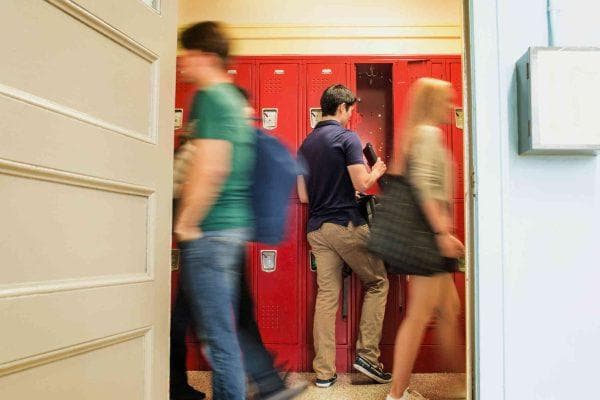








Texas student arrests are rising over small incidents that begin inside schools
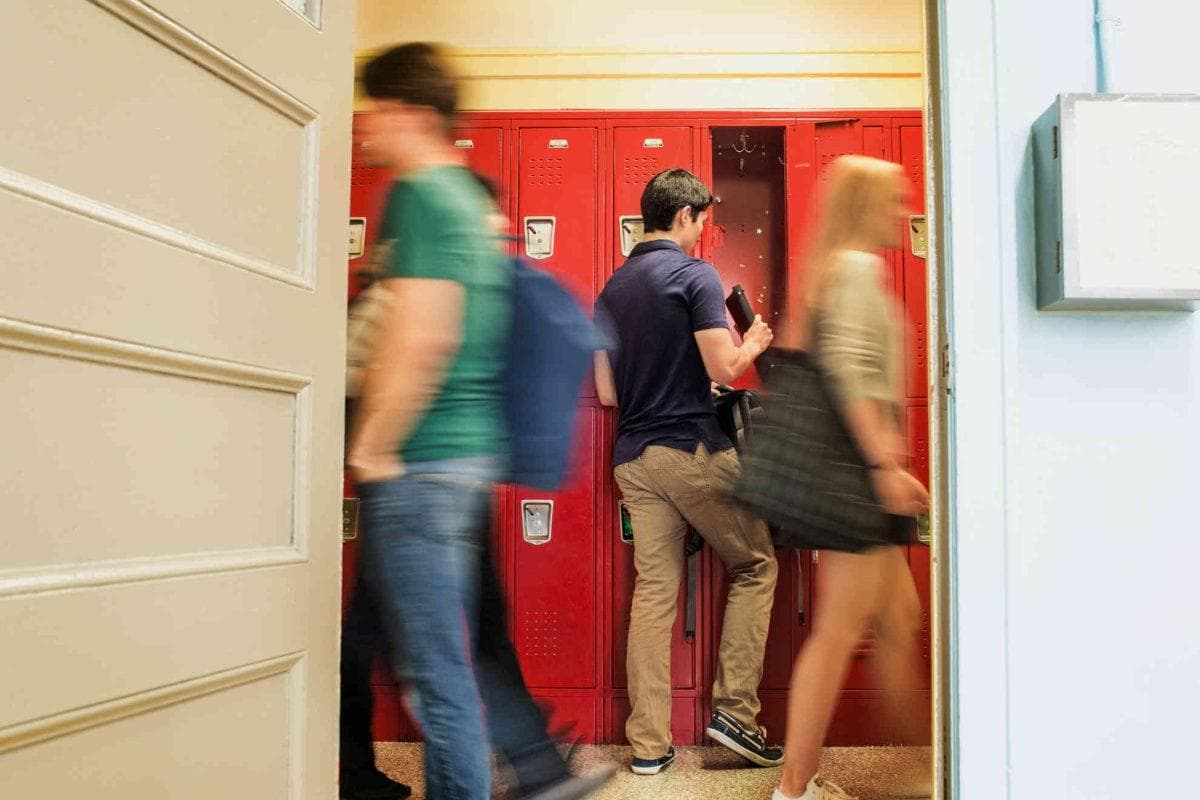
- Minor disciplinary infractions and school fights caused thousands of students aged ten to thirteen to face police arrests in school incidents.
- Mandatory police presence across educational campuses drastically accelerated criminal referrals among younger pupils into juvenile justice.
- Districts like Wichita Falls prove that replacing police punishment with psychological guidance reduces child criminalization and school violence in Texas.
The shocking surge in child arrests transforming hallway arguments into criminal cases
Recently igniting an alarming debate regarding early criminalization within the educational system, an exhaustive investigative report revealed that over forty-seven thousand students aged ten to thirteen ended up referred to judicial authorities, some facing arrests, following school incidents across The United States; in this sense, data from the Department of Juvenile Justice reveals that routine infractions such as heated arguments, shoving matches, carrying cannabis vape pens, school violence or uttering verbal threats during moments of crisis triggered excessive police interventions to execute juvenile justice where uniformed officers placed handcuffs on minors right inside school grounds. In this manner, complex situations that educators historically handled through dialogue and pedagogical guidance passed into the hands of armed officers, causing thousands of children in the state of Texas to wind up under police custody and face severe psychological trauma before reaching adulthood.
Mandatory police presence in classrooms and severe emotional toll on families
Likewise, intensifying disciplinary rigor following laws passed after the tragedy at Uvalde elementary school, state authorities mandated the permanent presence of armed officers across every public campus, a measure that drastically accelerated criminal referrals after various school incidents occurred. Furthermore, multiple case files expose heartbreaking situations such as a twelve-year-old girl with behavioral disorders handcuffed for refusing to wait in the lobby, or a ten-year-old boy with ADHD criminally prosecuted for kicking an administrator upon having his mobile phone confiscated in El Paso, alongside other arrests happening across school grounds. Additionally, official statistics prove that Black students suffer these types of arrests at double the rate of their Hispanic or white peers, forcing hundreds of parents in Texas to spend thousands of dollars on attorneys to clear unfair charges and even relocate to different counties to protect their children’s mental health from school violence.
Alternative support models and urgent calls for legislative reform to curb abuse
On the other hand, proving that prioritizing education over judicial punishment yields positive results and safer learning environments, the Wichita Falls district radically transformed its strategy by swapping police presence for counselors, advisors and community support programs following reported school incidents and arrests. This shift in approach reduced arrests of young children by more than half, marking a stark contrast against districts that toughened disciplinary policies to set early precedents. Finally, local lawmakers champion urgent reforms to limit school officers’ authority before further excessive interventions continue destroying childhoods in Texas, reaffirming that classrooms across The United States must remain spaces for human development rather than detention wards for juvenile justice.
Shocking figures on juvenile justice and the impact of legislation
- Over 47,000 referred to court: Official records confirm that tens of thousands of children aged ten to thirteen entered the system since 2014.
- Impact of post-Uvalde legislation: The legal mandate requiring armed police on every campus increased criminal charges against students by one-third.
- Racial disparity in arrests: Black students recorded a referral rate to the justice system doubling the numbers of white and Hispanic pupils.
