

WATCH NOW
Watch on the app











California residents could face harsher water restrictions even if rainfall doesn’t decline
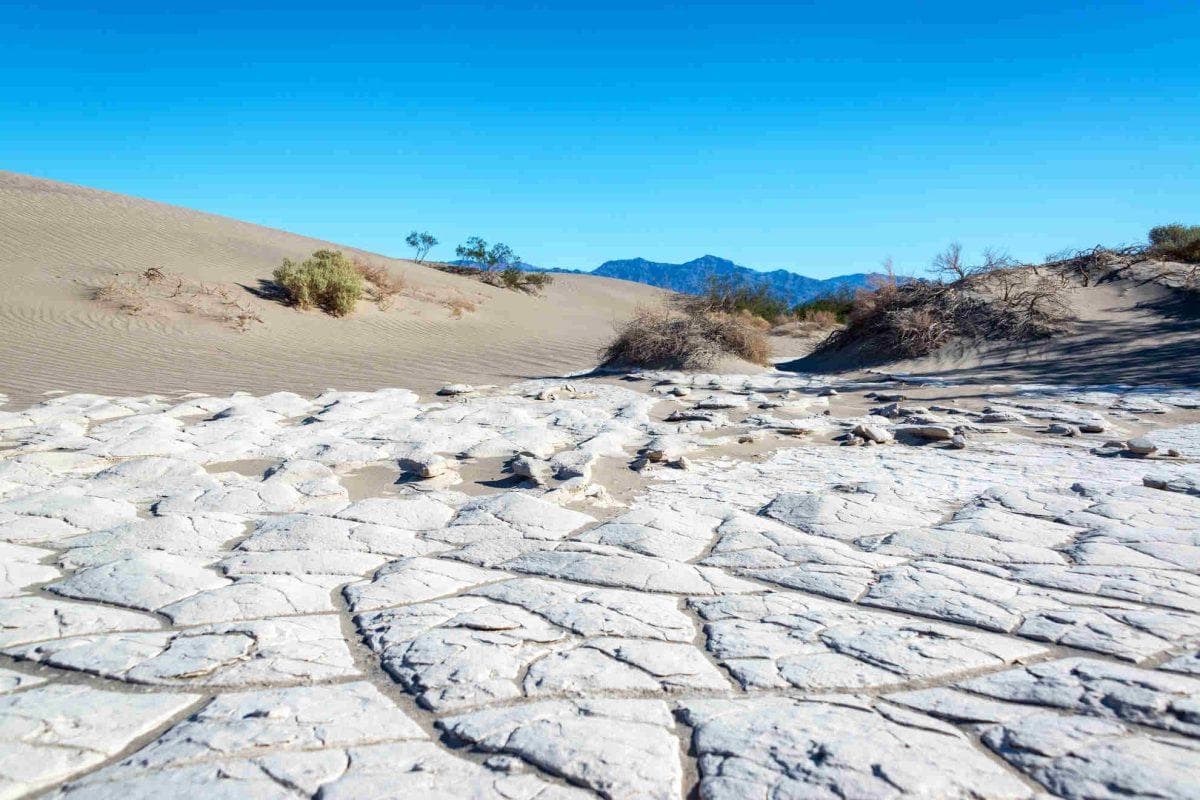
- Evaporation triggered by extreme heat and climate change will destroy California’s water reserves even if annual rainfall holds steady, causing some of the worse droughts.
- The North Coast will suffer longer wildfires and violent flooding from atmospheric rivers according to the climate assessment.
- Rural and tribal communities face heightened risks due to fragile infrastructure while the state prepares emergency investments.
The real reason high temperatures will dry out the terrain without needing rain to stop
Revealing the alarming scientific reason behind future water crises across California, overwhelming findings from the Fifth Climate Change Assessment confirm that the region will face worse droughts driven by accelerated evaporation from extreme heat, proving that receiving average annual water amounts will no longer guarantee moist soils or sustainable reserves.
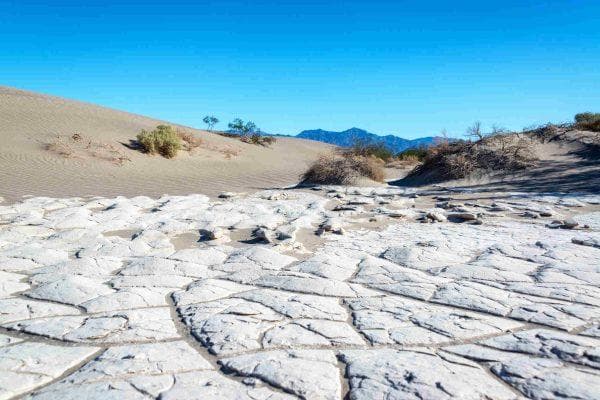
In this sense, scientists explained in detail that the core problem stems from a drastic redistribution of precipitation, since winters will concentrate torrential downpours while springs and autumns turn extremely dry, leaving far longer desert-like periods that evaporate the vital resource before nature can absorb it. In this manner, sustained temperature increases consolidate as the primary driver of shortages across The United States and wildfires, transforming the environmental dynamics of California’s North Coast and imposing unprecedented challenges for local water management and agriculture.
The dangerous domino effect that will extend wildfire seasons and destructive floods
Likewise, multiplying threats for Del Norte, Humboldt, Lake, Mendocino, Siskiyou, and Trinity counties, dry air and hot periods without precipitation will dangerously widen the timeframe where wildfires spread uncontrollably through North Coast forests. Furthermore, this unsettling climate distortion will not only prolong forest fire activity in the region, but will paradoxically intensify the risk of severe winter flooding due to the arrival of more violent atmospheric rivers hitting soils hardened by prior dry spells. Similarly, the state report warns about the dangerous combination between this storm flow and accelerating sea and water level rise, which already records a thirty-centimeter increase in Humboldt Bay since 1970, placing roadway infrastructure and coastal habitats across California in jeopardy, where rising heat threatens to trigger worse droughts and serial natural disasters.
Vulnerability in rural areas and state strategies to prevent a major catastrophe
On the other hand, officials seek to integrate the voices of tribal communities and local specialists for the first time to design a survival plan, leading the Governor’s Office of Land Use and Climate Innovation to direct this legally mandated research to identify historic vulnerabilities in rural areas hit by lack of funding. Because fragile infrastructure in these counties will not withstand the combined impact of wildfires and extreme precipitation, the climate assessment aims to channel strategic investments urgently to protect the most exposed populations before emergencies destroy their homes due to climate change.
Therefore, understanding the true causes of this phenomenon remains vital for the future of the region and the North Coast across The United States, proving that only technical preparation and scientific understanding will prevent the population from succumbing to the inevitable arrival of worse droughts associated with global warming in California.
Key findings from the climate assessment and heat physics
- Evaporative acceleration driven by heat: High temperatures evaporate available water rapidly, canceling out benefits from winter rainfall volumes.
- Seasonal precipitation redistribution: Winters will concentrate severe downpours while springs and autumns experience extreme dryness.
- Historic sea level rise: Humboldt Bay recorded a thirty-centimeter increase that threatens coastal infrastructure stability.
Environmental consequences and high-risk zones
- Extension of the wildfire season: Prolonged dry spells create ideal conditions for the rapid spread of forest fires.
- Atmospheric rivers and flooding: Winter storms concentrated over dry, impermeable soils will increase overflow and flood hazards.
- Vulnerability across rural counties: Communities in Del Norte, Lake, and Siskiyou face disadvantages due to fragile infrastructure and budget deficits.
