















Super El Niño could turn Florida’s winter upside down with unprecedented weather conditions
-
Florida winter weather will face major disruptions as Super El Niño transforms the mild, dry climate residents typically enjoy.
-
Regions across Florida will experience distinct climate variations, ranging from heavy rainfall in the south to severe tornado risks in central counties.
-
Academic research confirms that global ocean warming intensifies seasonal rainfall and atmospheric instability through early 2027.
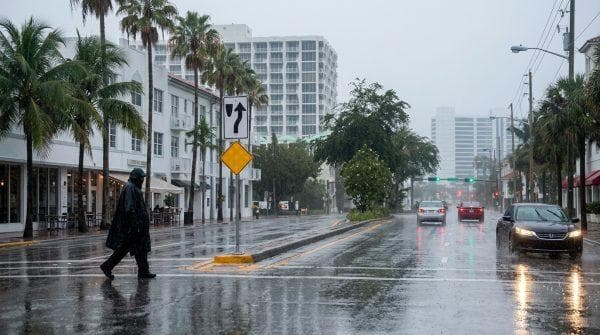
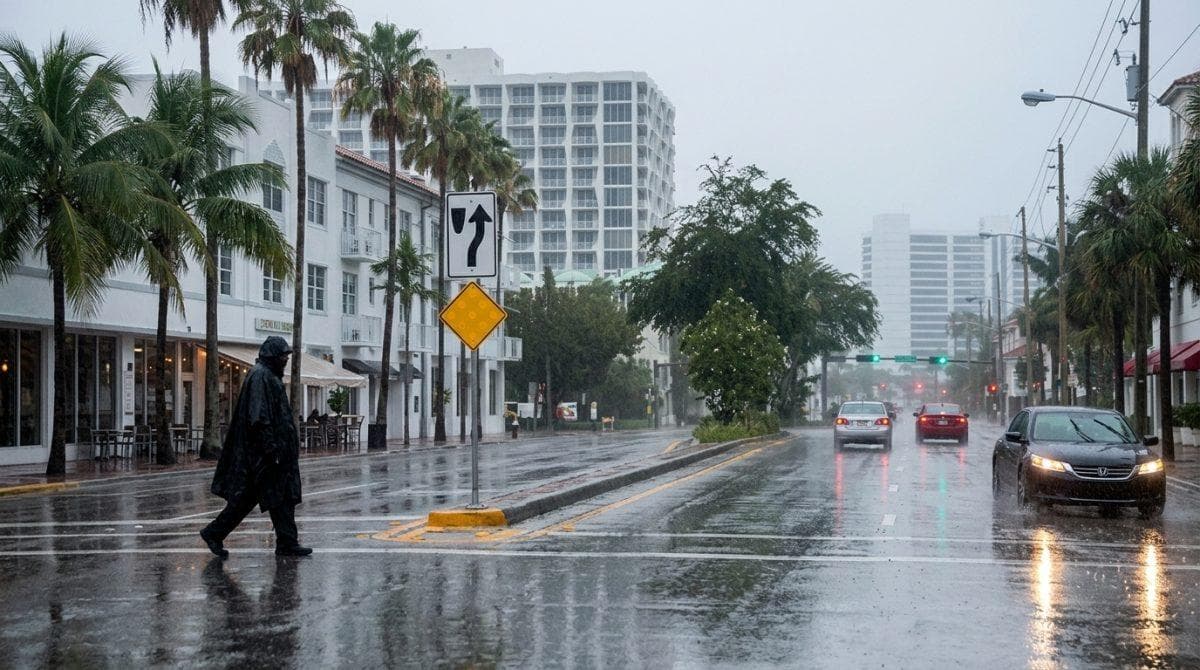
In Florida, following the passage of Hurricane Isaias, residents typically anticipate the arrival of a dry, mild and pleasant winter starting in November. However, a historic Super El Niño will fundamentally alter this traditional experience across the peninsula. Instead of the usual comfortable climate, the record-breaking phenomenon will trigger heavy rainfall, persistent humidity and heightened severe storm threats long after the official hurricane season ends on Nov. 30.
At the same time, the scientific community emphasizes that fossil fuel emissions created an atmospheric and oceanic environment with higher baseline temperatures. In fact, current conditions operate on a deeply altered climate system, causing weather extremes to manifest with unprecedented severity according to Union of Concerned Scientists specialist Marc Alessi.
Most impacted zones and climate variations from Super El Niño across Florida regions
Climate variations will not affect the entire peninsula uniformly, driving erratic shifts in localized Florida winter weather. To illustrate this, southern counties face nearly double the winter rainfall compared to La Nina cycles based on projections from state climatologist Emily Powell. This accumulation already demonstrated its initial effects in late September 2026, when a king tide event flooded low-lying coastal areas in Miami-Dade around the Fontainebleau marina and Collins Ave.
Southward tornado risk shifts versus northern Florida trends
Typically, northern Florida experiences the highest risk of severe winter weather during cold months. Consequently, the direct threat of tornadoes shifts southward toward central and southern counties during this Super El Niño pattern. Evaluations from the National Weather Service Melbourne Office confirm this link, recalling the 1978-1979 outbreak that killed 42 people and destroyed 800 homes in that region.
Essential preparedness steps for Florida winter weather
-
Active monitoring of local forecasts allows residents to track how Super El Niño influences rainfall intensity.
-
Clearing rain gutters before November protects central Florida homes from sudden drainage overflows.
-
Maintaining active 24/7 NOAA weather alerts ensures families react quickly to overnight tornado warnings.
-
Securing outdoor residential property prevents severe damage from the combined impact of heavy rainfall and king tides.
-
Reviewing active flood insurance policies guarantees comprehensive coverage before winter storms arrive.
Global atmospheric dynamics and impacts outside Florida
While upper-level wind shear keeps the Atlantic relatively quiet, the Pacific Ocean has experienced an extraordinarily severe season during Super El Niño, contrasting sharply with standard Florida winter weather patterns. For instance, Hawaii endured 3 powerful hurricanes this year, while the southern California coast faced an unprecedented tropical storm watch. Additionally, Kelvin waves driven by Tropical Storm Rachel battered coastal structures in Long Beach, California, in October 2026, though Florida State University meteorologists advise that an unexpected system could still form if it finds a favorable atmospheric corridor.
Academic research backing phenomenon intensification
Furthermore, multiple studies published in international peer-reviewed journals confirm this pattern of extreme behavior. Research published in the Journal of Climate revealed that oceanic phases grew increasingly severe since 1960 across 75% of climate models. Meanwhile, a study in Science analyzing coral skeletons over the last 1k years demonstrated that current weather oscillations represent the most intense variations recorded in historical climate data.
Taking these factors into account, informed household preparation remains essential to navigating a season marked by unusual Florida winter weather and mitigating the localized effects of Super El Niño across 100% of vulnerable coastal neighborhoods.
