

WATCH NOW
Watch on the app











Much more than aesthetics: Why strong glutes protect your knees from premature wear and tear and how they influence every step you take
-
Specialists from Harvard and the Mayo Clinic warn that a sedentary lifestyle causes “gluteal amnesia,” altering gait and increasing the risk of chronic injuries.
-
Strong gluteal musculature reduces the risk of falls in older adults by up to 30%, protecting physical autonomy and quality of life.
-
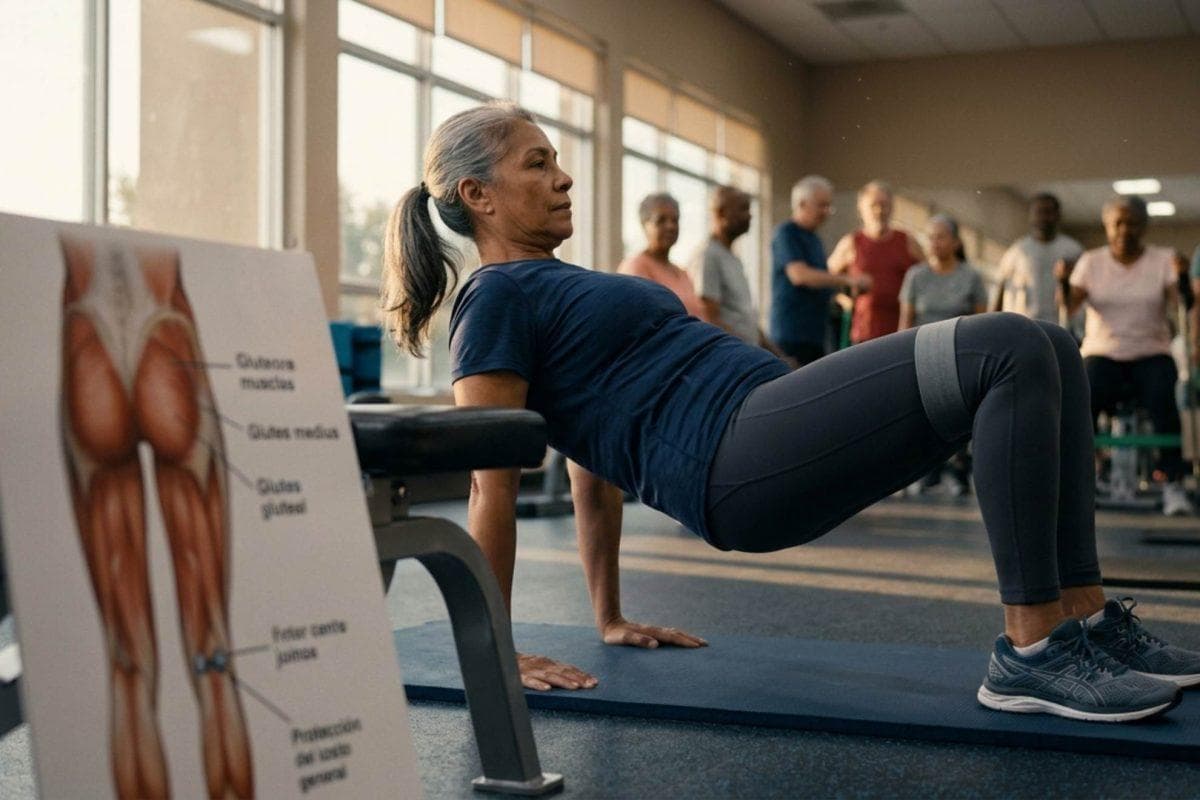
Strength exercises such as squats and glute bridges are key to combating sarcopenia and correctly distributing body load.
In daily life, the glutes play a decisive role in movements as simple as walking, getting up from a chair or climbing stairs. However, the importance of keeping this muscle group strong goes far beyond aesthetics: its proper activation is essential for stability, balance and bodily functionality. Research from prestigious institutions such as Harvard University and GQ magazine underscores that gluteal strength directly impacts longevity and quality of life, preventing lower back pain and protecting the knees from premature wear and tear by ensuring correct body load distribution during movement.
Key functions and the risk of a sedentary lifestyle
The gluteal muscle group, comprised of the gluteus maximus (the body’s largest muscle, key for hip extension), medius (pelvis stabilizer) and minimus, performs vital functions in posture and mobility. Despite their relevance, a sedentary lifestyle and lack of exercise cause these muscles to lose strength over time. The American Academy of Orthopaedic Surgeons (AAOS) warns that prolonged periods of inactivity, frequent in those who sit for many hours, lead to “gluteal amnesia,” a condition where the muscles stop activating correctly, generating harmful compensations in other muscle groups and altering gait.
Direct impact on longevity and autonomy
International studies published in The Lancet and BMC Musculoskeletal Disorders evidence that possessing strong gluteal musculature is a determining factor for healthy aging, reducing the risk of falls in older adults by up to 30%. By promoting stability when walking and facilitating physical autonomy, strengthened glutes are an effective tool to combat sarcopenia age-related muscle mass loss and protect motor independence over the years. Signs such as difficulty getting up or persistent pain in the lower back, hips or knees can indicate muscle weakness requiring attention.
Strategies and exercises for comprehensive strengthening
Preventing and treating gluteal weakness requires incorporating specific routines and maintaining an active life. Experts from Harvard, the Mayo Clinic and GQ magazine recommend strength exercises such as squats, deadlifts, glute bridges and hip abductions to comprehensively activate and strengthen the muscle group. In addition to regular physical activity where the WHO suggests at least 150 minutes per week of moderate intensity, simple measures such as taking active breaks, walking regularly and alternating positions throughout the day are effective in counteracting the negative effects of a sedentary lifestyle and preserving joint functionality.
