












South Florida restaurant inspections uncover stomach-turning discoveries
-
South Florida restaurants head official reports with 13 penalized establishments, while local authorities enforce rigorous inspections against repeat offenders throughout this month.
-
Department of Business and Professional Regulation officers detect cockroaches, rodents, and severe temperature issues, detailing that surprise operational sweeps aim to guarantee public health across the region.
-
Government agencies examine hygienic conditions at affected venues, pointing out that strict current regulations protect consumers from severe food safety risks across the entire state territory.
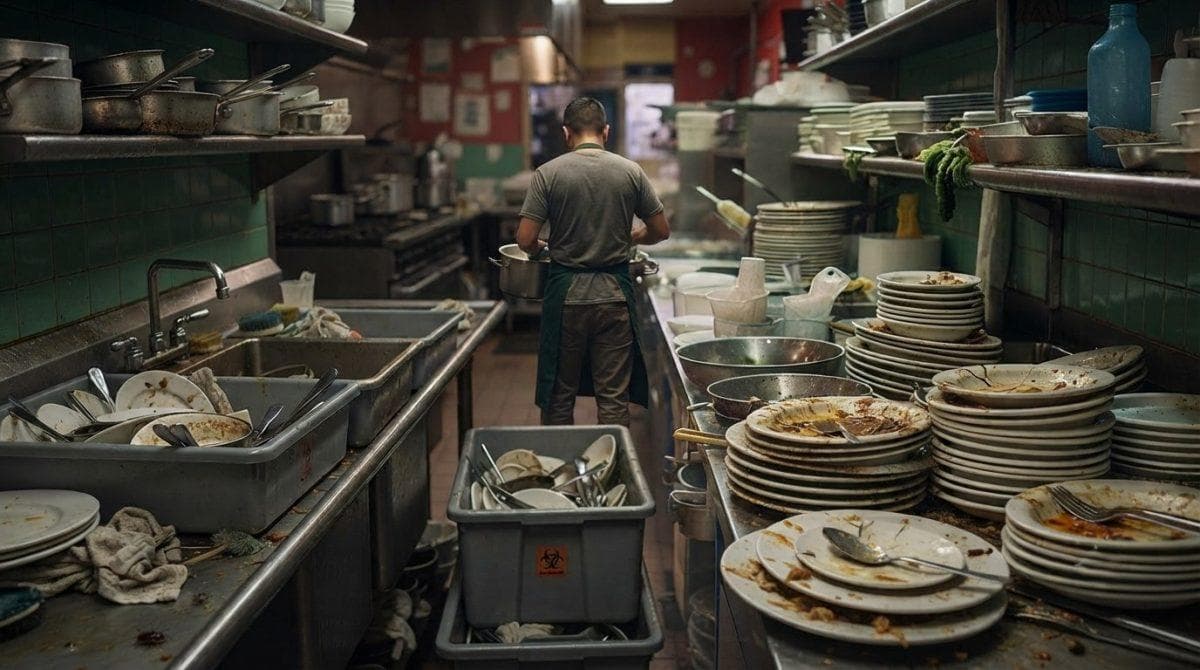
South Florida restaurants face relentless sanitary inspections after recording severe violations of health codes across 13 commercial establishments in Miami-Dade, Broward and Palm Beach counties, and government inspectors reveal that venues like Brass Monkey Sports Bar and Gourmet Creole accumulate rodent droppings and insect infestations; furthermore, this situation emerges at a critical juncture where reports from the Florida Department of Health demonstrate that the presence of vermin and failures to maintain cold chains force immediate sales suspension orders to safeguard public health.
Additionally, state agencies remind owners that they must pass mandatory reinspections before reopening doors to the public, although sanitary officials detail that improper storage of perishable foods significantly increases cross-contamination risks, reflecting the impact of exhaustive reviews on regional food safety.
Inspection criteria and Miami dining venues
Throughout this period of governmental oversight, regulatory institutions examine necessary hygiene protocols across Miami dining venues and state inspectors point out that operations respond to both citizen complaints and routine reviews; additionally, operational deployment encompasses landmark establishments failing basic food handling and temperature control standards.
Conversely, state administration coordinates efforts with local departments to penalize severe offenses, demonstrating that rigorous audits secure compliance with health laws; worth noting, administrators of penalized businesses must correct every technical deficiency prior to receiving official authorization, and government spokespeople recommend maintaining strict internal cleaning controls across all culinary preparation areas.
Penalized establishments and Miami dining venues
-
Brass Monkey: Accumulated rodent droppings, out-of-temperature foods, and severe cold-chain failures, demonstrating that operational hygiene lapses compromise diner safety.
-
Gourmet Creole: Presented insect infestations, inadequate meat temperatures and residue buildups, evidencing that deficient warehouse maintenance propagates severe biological risks.
-
Ifra’s Indian Kitchen: Registered live cockroaches, flies, and improper container reuse, confirming that omitting basic protocols facilitates food cross-contamination.
-
Restaurante Las Delicias: Accumulated dead insects, critical refrigeration failures and exposed meats, highlighting that obsolete cooling equipment accelerates perishable product spoilage.
-
Lucky Cat Street Eatery: Operated with overloaded refrigerators and improper handling hygiene, noting that excessive food stacking prevents proper thermal preservation.
-
Palomino Gardens: Accumulated a severe fly infestation in storage zones, proving that gerontological residential facilities require more frequent sanitary audits.
-
Raja: Presented rodent droppings near dry goods and tableware, ratifying that urban pest presence compromises public service areas.
-
Rendez-vous: Contained structural openings and pest traces in the pantry, warning that physical infrastructure damages facilitate vermin entry.
-
Seabra Bakery: Registered severe flaws in utensil sanitization processes, indicating that the absence of effective chemical solutions propagates bacteria in bakeries.
-
Sushi Yan: Accumulated numerous rodent droppings and unsanitary practices, revealing that direct floor storage infringes basic commercial regulations.
-
Just4Fun: Completely lacked dishwashing facilities due to shopping mall restrictions, evidencing that the absence of operational sinks prevents utensil sanitization.
-
Craft Ft. Lauderdale: Accumulated green mold in the ice machine and flies over bar utensils, confirming that beverage area cleaning lapses expose customers to contaminants.
-
Subway in Southland Mall: Presented a nauseating stench caused by a sewage backup, demonstrating that piping system failures force immediate sanitary closures.
Reopening application procedure
-
Correct immediately all critical infractions noted in the official inspection report and sanitation teams implement strict deep-cleaning protocols to eliminate any trace of pests or contamination within facilities.
-
Request a formal follow-up inspection before competent governmental offices, although operational guidelines demand paying administrative fees and fully passing health standards before allowing diner access.
-
Maintain updated records of temperature controls and waste management according to current regulations and gastronomic sector authorities supervise that establishments permanently comply with consumer protection laws.
As owners complete necessary corrections to lift temporary closures, strict state oversight guarantees compliance with hygiene standards across South Florida restaurants.
