












Why do Latinos celebrate their 15th birthday with a quinceañera?
-
Traditional quinceanera celebration customs weave the ancient rhythm of the Americas with deep family pride across every modern household.
-
Solemn thanksgiving masses and elaborate 15 year evening receptions embrace the cherished transition from childhood into graceful maturity.
-
Contemporary cultural renewal empowers young women to honor their roots through memorable international journeys or vibrant community gatherings.
Every year across Mexico, Latin America and the Caribbean, as well as Latino communities settled throughout the United States, families reaffirm their identity by preserving rites of passage loaded with emotion, nerves and profound hope, meaning that Latino 15th birthday celebrations shine brightly as a living bridge between indigenous heritage and familial embrace. According to Pew Research Center reports on Latino identity, these memorable traditions trace their roots to ancestral ceremonies shared by early Latin communities combined with the fervor of Roman Catholicism and Spanish culture, thereby forming a legacy that historically signaled preparation for marriage while today marking the beginning of formal dating.
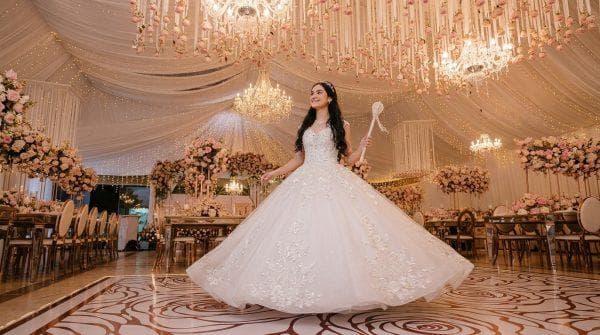
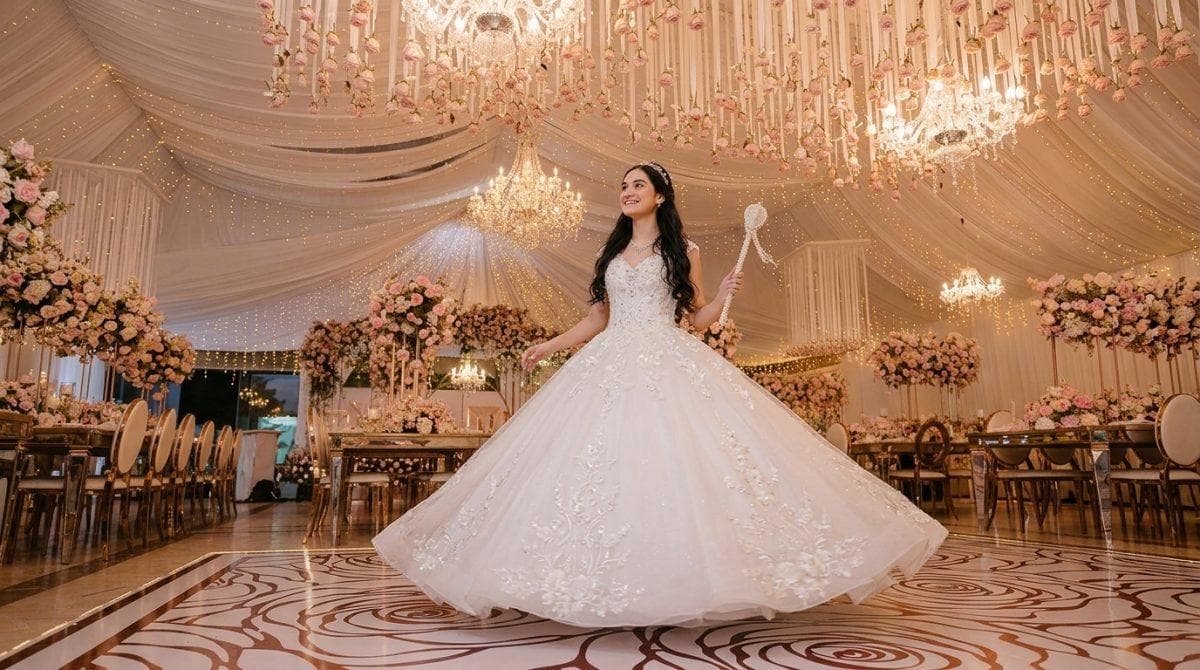
In this sense, the term quinceañera defines both the emblematic celebration of the 15th birthday and the young celebrant herself who transitions from childhood into womanhood wearing a majestic gown, a brilliant tiara, and the bright hope of tomorrow.
The value of origin
-
Historical chronicles detail how ancient Latino communities celebrated the transition into adult life through ceremonies defined by collective respect, establishing the earliest foundations for every Latino 15th birthday celebrated today.
-
Modern families keep that cultural flame burning brightly by gathering loved ones around enduring symbols of gratitude and hope, perfectly mirroring a timeless traditional quinceanera celebration.
Rituals and symbolic customs of the traditional quinceanera celebration
Planning a traditional quinceañera celebration means choreographing an unforgettable chapter within every young woman’s personal history, specifically because the customs of the traditional quinceanera celebration display an emotional atmosphere of transition where every single detail honors inner growth. The festivities begin with a solemn thanksgiving mass attended by the young woman, her family and her beloved godparents who spiritually guide this new vital cycle, whilst the subsequent evening reception features the traditional shoe exchange and the tender farewell of the final doll, inspired by insights from Vogue’s cultural analysis on modern quinceañeras.
Ver esta publicación en Instagram
Symbols of a major milestone
-
Official presentation to society allows families utilizing the Latino 15th birthday framework to celebrate cultural heritage and strengthen community ties across countries like Colombia, Venezuela, Argentina and Peru.
-
Heartfelt toasts and words spoken by family members utilizing the traditional quinceañera celebration model fill the atmosphere with gratitude for the journey completed and dreams yet to unfold.
Key figures and essential elements of a 15-year celebration
Every detail of the celebration is guided by endearing figures who grant profound meaning to the evening, consequently uniting elements and characters that deeply enrich the communal experience. Cherished participants fulfill specific roles during the religious ceremony and the subsequent banquet, highlighting the true essence of every traditional quinceanera celebration across generations as documented by Smithsonian Latino Center archives.
Protagonists and elements of the celebration
-
Godparents: Spiritual and emotional guides who accompany the family from the initial mass and provide moral and financial support during preparation.
-
The chambelán and court of honor: Close friends and dance partners who rehearse impressive choreographies to accompany the young woman during her grand entrance and waltz.
-
The gown and tiara: Majestic attire symbolizing elegance, distinction and the assumption of new responsibilities in maturity.
-
Slippers and footwear change: Ceremonial elements that gracefully mark the definitive transition from childhood into adult life.
Modern evolution and cultural adaptation
Current times transform how grand traditions are experienced without ever sacrificing their emotional core, which explains why Latino 15th birthday commemorations demonstrate a beautiful versatility that adapts to each youthful personality and the new contexts of the diaspora. Whilst some households prefer the classic splendor of ballroom receptions featuring imposing choreographies, others choose innovative alternatives that redefine the festivities across American soil.
Ver esta publicación en Instagram
New horizons for the celebration
-
Cultural and international travel offers teenage girls 15 enriching experiences that connect them with their heritage in fresh ways.
-
Family and community essence remains completely intact whether illuminated by a grand celebration in the United States or held within the intimacy of a meaningful journey.
Preservation of traditional quinceañera celebration
Remembering why 15th birthdays are celebrated allows us to understand that this festivity represents much more than a glamorous event, given that it constitutes a profound traditional quinceanera celebration fusing indigenous heritage with the shared identity of immigrant Latino peoples. Migrant families residing in the United States continue keeping this tradition alive from generation to generation, ensuring that cultural roots remain firmly anchored on American soil while honoring every Latino 15th birthday.
Preserving this celebration forms a vital way to honor origins and look toward the future with optimism, moreover demonstrating that over 15,000,000 descendants across the region prove geographic distance never weakens pride in one’s own history while maintaining the core values of every Latino 15th birthday, according to demographic studies by UNICEF Latin America and Caribbean data.
