

WATCH NOW
Watch on the app




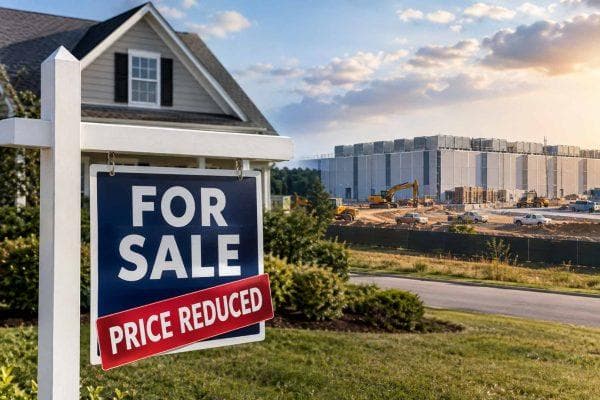








North Carolina woman loses $126,000 off her home when a data center appears behind her house
-
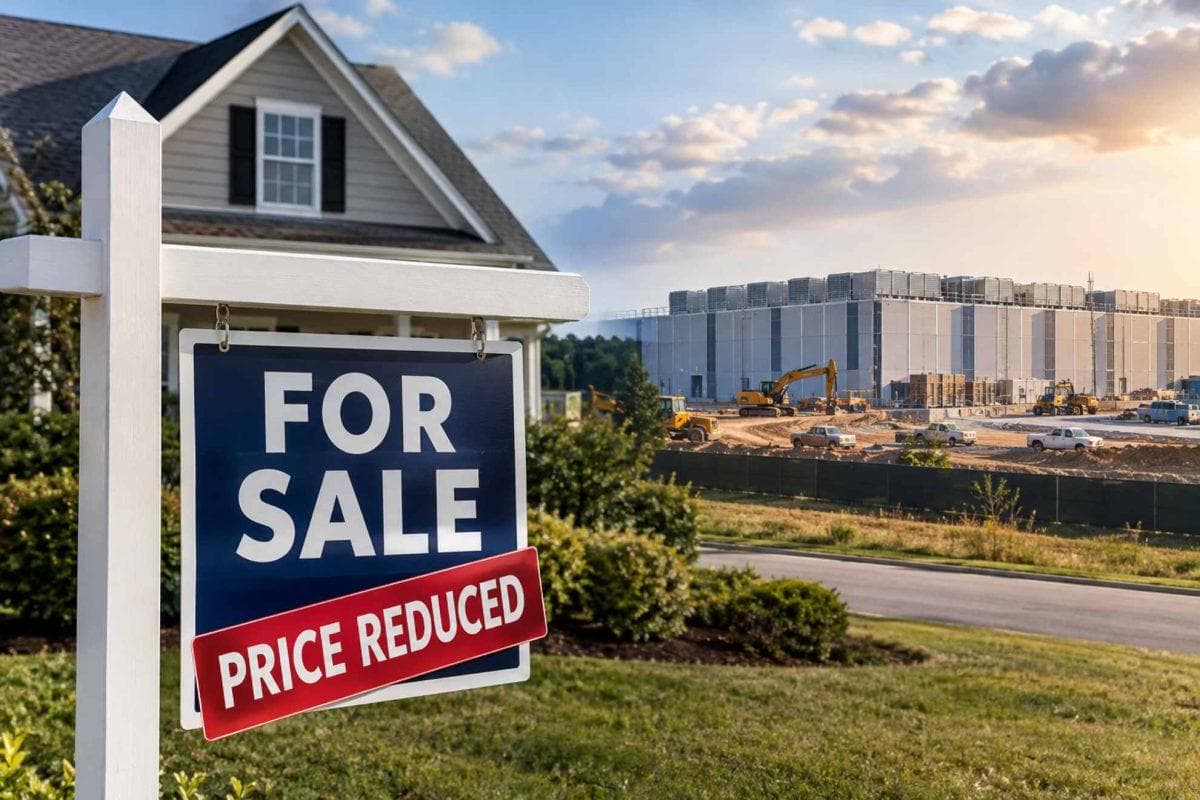
A North Carolina seller drastically reduced her home listing price following adjacent data center construction.
-
Rapid expansion of artificial intelligence infrastructure pushes massive industrial facilities into rural residential zones.
-
Real estate market studies contrast sharply with lived experiences regarding property value depreciation.
The rapid construction boom surrounding artificial intelligence infrastructure is creating unexpected financial friction throughout traditional residential real estate markets across North America. In North Carolina, sixty four year old homeowner Lori experienced this disruption firsthand after a massive data center began construction directly behind her single family residence. Despite reducing her original listing price from $925,000 down to $799,000 to offset the industrial encroachment, potential buyers consistently cite the neighboring technological facility as the primary reason for walking away from purchasing negotiations.
Ver esta publicación en Instagram
Industry research data versus lived seller reality
This individual struggle highlights a growing divide between nationwide real estate statistical models and individual seller outcomes in rural housing markets. Recent empirical studies published by major real estate research firms suggest that established data facilities do not negatively impact property values when comparing long term neighborhood metrics across metro areas. However, industry analysts note that these historical studies often focus on mature facilities located in developed industrial corridors rather than newly breaking ground in serene rural communities, where active construction noise, heavy machinery, and visual pollution instantly deter potential buyers.
Local environmental degradation, energy grid stress and water resource demands
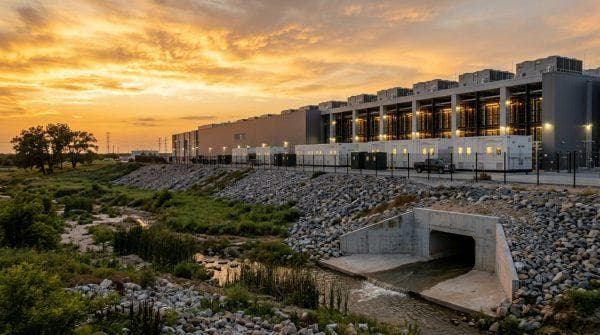
Beyond immediate home resale challenges, the rapid proliferation of high density data facilities introduces significant long term environmental concerns for surrounding residential communities. Operating these complex facilities requires immense electrical power, contributing to steep utility rate increases across heavy data center markets like Virginia, where residential electricity costs rose dramatically over five years. Furthermore, continuous mechanical humming, potential groundwater runoff contamination during earthmoving phases and massive daily water consumption for cooling systems combine to strain local municipal resources and diminish overall quality of life for long time neighborhood residents.
Ver esta publicación en Instagram
Evolving zoning laws and suburban technological development
Balancing industrial technological expansion with residential property rights represents an increasingly complex municipal governance issue in fast growing states. As technology companies secure rural land parcels for server infrastructure, municipal zoning boards face heightened scrutiny from community advocacy groups demanding protective setback buffers and comprehensive environmental impact reviews before approving high density commercial developments near single family homes.
