

WATCH NOW
Watch on the app












Your summer playlist sounds caribbean: Do you know where those sounds come from?
-
The global circulation of soca, dancehall and carnival culture reaches major events in Toronto and London, showing that Caribbean music extends far beyond digital platforms.
-
While social media feeds often group Caribbean genres together, soca and dancehall possess unique histories, performance styles, and cultural roots.
-
For Latino audiences, understanding the context behind these viral sounds creates a deeper appreciation of shared history and cross border musical evolution.
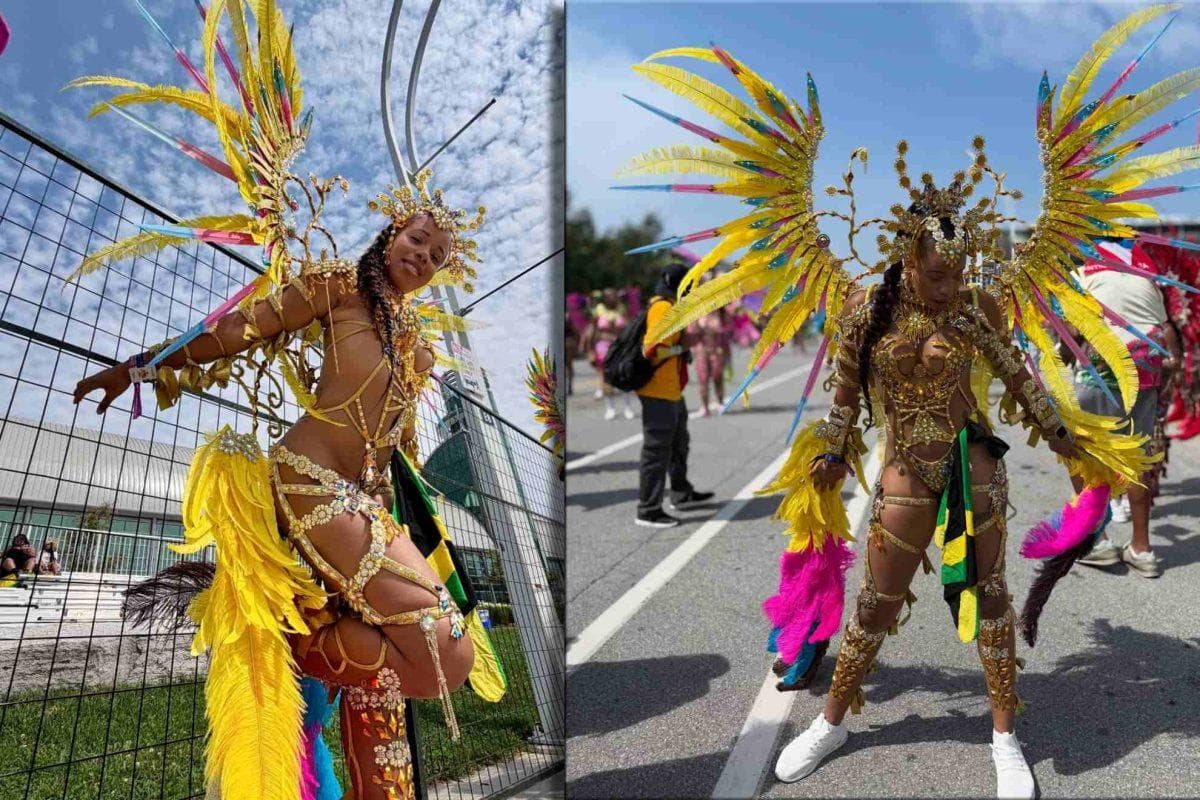
The fastest way to understand Caribbean music in 2026 may not be to open Spotify: go outside. At Toronto’s Caribbean Carnival, which culminated earlier this month, soca and dancehall moved through concerts, parties, mas bands and the Grand Parade. At the end of August, London’s Notting Hill Carnival will put sound systems, steel bands, soca, calypso, reggae and other Caribbean traditions across the streets of West London. Between those events, the same rhythmic vocabulary constantly appears online: dance challenges, travel videos, party clips, fashion edits and songs stripped down to the 10 or 15 seconds most likely to loop. That circulation is good for discovery. But it can also make the music feel as though it simply materialized from the internet. It didn’t.
Ver esta publicación en Instagram
Soca and dancehall are not interchangeable
Start here, because social feeds often compress Caribbean music into a single “island vibe.” Soca developed primarily in Trinidad and Tobago, growing from calypso and becoming deeply connected with Carnival. Dancehall emerged in Jamaica and developed its own musical language, performance traditions and global influence. Reggae is another tradition. So is calypso. So are the many styles produced across Haiti, the Dominican Republic, Puerto Rico, Cuba, the French Caribbean and the wider region. They constantly influence one another, but cultural proximity is not sameness. For Latino listeners, that distinction is worth learning precisely because the sounds travel so easily now.
Carnival is not a backdrop. It is part of the music’s infrastructure
The festival calendar shows why. Toronto Carnival’s 2026 programming included dedicated soca and dancehall events around the city before and during its major parade weekend. Notting Hill Carnival’s official 2026 programming lists steel bands, Brazilian bands, soca and calypso, sound systems and live stages across its August 29-31 weekend. These are not simply concerts where Caribbean artists happen to perform. Carnival is a cultural system. Costume design, mas, dance, food, sound systems, national flags, community groups and music all meet in the same physical space. That matters because a song built for the road can function differently from a song built for headphones. Some music is designed to be experienced collectively, loudly, physically and repeatedly. Social video captures pieces of that energy. It cannot fully reproduce the context.
Ver esta publicación en Instagram
TikTok can make a song global before listeners know the country
This is the new discovery equation. Someone hears a track in a dance video. They save the sound. An influencer uses it. A DJ speeds it up or blends it into another song. The clip travels. The listener may know the hook before they know whether the artist is Jamaican, Trinidadian, Bajan, Guyanese or from somewhere else entirely. That does not make the listener culturally irresponsible. Discovery has always been messy. But there is a difference between enjoying a sound and understanding it. For publishers trying to speak to Latino and Gen Z audiences, that gap is an opportunity. Instead of another “songs of summer” list, explain the map. Who made the song? Which island or diaspora does the sound connect to? Is it soca, dancehall or something else? What happens to the track during Carnival? What dance travels with it? Which producers are shaping the sound? Give the algorithm a backstory.
Caribbean influence has always moved across language borders
This is especially relevant to Latino audiences. The Caribbean does not divide neatly into “Latino” and “not Latino” once music starts moving. Puerto Rico, the Dominican Republic and Cuba share geographic and historical proximity with Jamaica, Haiti, Trinidad and other islands whose dominant languages may be English, French or Creole. Musicians hear each other. Migrants hear each other. DJs hear each other. Reggaetón itself is impossible to discuss seriously without acknowledging its connections to Jamaican dancehall and Panamanian reggae en español. That makes today’s dancehall and soca circulation feel less like a new crossover and more like another chapter in a long Caribbean conversation.
Ver esta publicación en Instagram
The Latino version of cultural literacy can start with curiosity
Nobody needs homework before dancing. But curiosity makes listening richer. If a song takes over your For You Page, click the artist’s name. If everybody at the party knows how to move when a particular rhythm drops, find out what that rhythm is called. If a Carnival clip looks incredible, learn what mas means before reducing the costumes to an aesthetic trend. That small amount of context changes the relationship. The Caribbean stops being a generic summer mood. It becomes a network of places, people, histories and sounds that continue shaping global pop culture in real time. The beat may arrive through your phone. Its story started long before the algorithm.
Cover photos from: @deesha_ – @torontocarnival.ca – @torontorevellers
