

WATCH NOW
Watch on the app














Can your clothes really change your mood? What ‘dopamine dressing’ gets right and wrong
-
Mood boosting attire explores how clothing choices impact emotional well being, while style analysts investigate the connection between personal appearance and self perception across diverse social environments.
-
Academic institutions analyze the psychological mechanisms governing fashion choices, determining that personal significance plays a crucial role in shaping daily emotional responses throughout urban populations.
-
Behavioral experts emphasize that aesthetic preferences depend heavily on individual background experiences, cultural contexts and subjective interpretations rather than universal biochemical triggers.
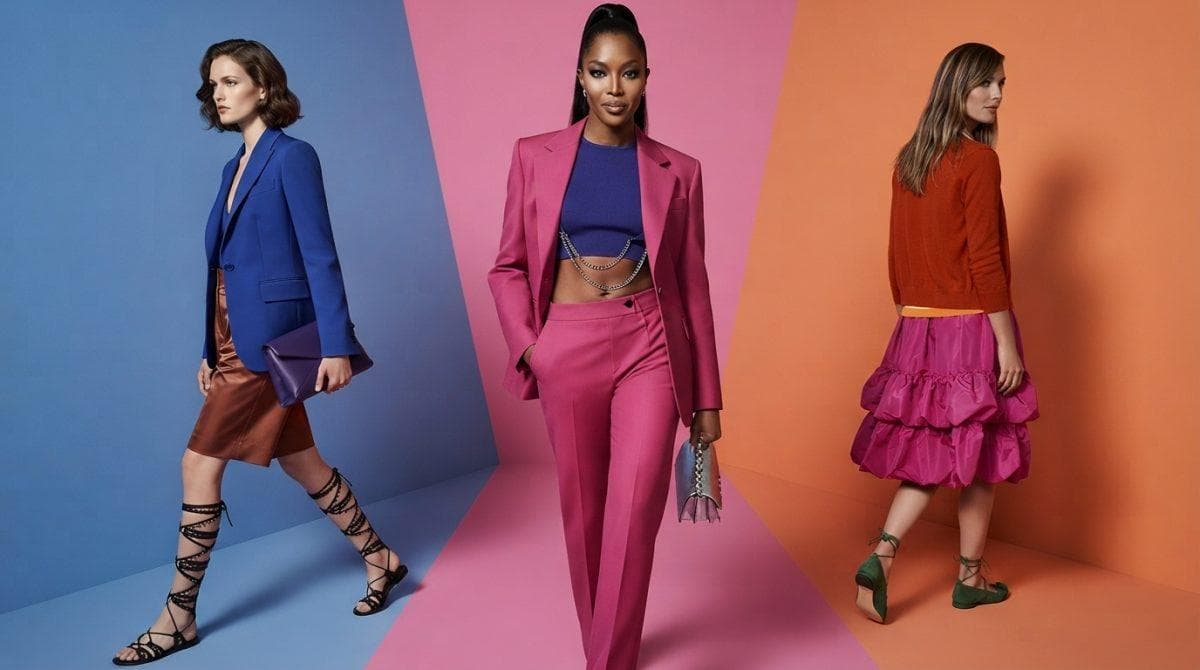
Dopamine dressing explores how clothing choices impact emotional well being and daily mood, while scientific researchers examine how specific garments influence psychological states during contemporary lifestyle shifts. Furthermore, dopamine functions as a vital neurotransmitter participating in the brain reward system, relating directly to motivation, pleasure and emotion formation whenever experiences stimulate or anticipate rewarding outcomes. Although emotional states never depend on a single chemical substance alone, biological, psychological and social processes interact continuously to shape human well being across diverse social environments during 2026.
Additionally, active individuals pursue everyday wellbeing stimuli through lifestyle habits linked to music, movement, nutrition or physical rest, whereas modern social media networks position apparel as a key conversational element for emotional health. This trend encourages consumers to select garments, colors and styles personally associated with joy, energy or confidence, presenting mood boosting attire as an approach connecting personal style with emotional worlds. However, this practice avoids constituting medical treatment nor offers identical psychological outcomes for every 1 consumer, prompting researchers to evaluate scientific realities versus popular digital claims.
Does dopamine dressing truly influence emotional states or is it just a myth
Researchers from the University of California, Los Angeles explain that selecting vibrant apparel connects directly with feelings of joy and vitality, whereas formal scientific data confirms that garments avoid triggering direct neurotransmitter releases in the brain. Moreover, specialized investigations into enclothed cognition demonstrate that symbolic clothing meanings actively alter human cognitive performance and focused attention levels during demanding tasks. Specifically, laboratory trials reveal that participants wearing white diagnostic coats maintained significantly higher sustained attention spans than individuals wearing casual clothing, establishing a clear link between symbolic garments and mental focus.
Subsequently, BBC Science Focus reports indicate that available evidence points toward a subjective behavioral relationship rather than a direct chemical alteration produced exclusively by specific textiles, while fashion psychologist Carolyn Mair stated to The Guardian that garment efficacy relates equally to clothing characteristics and personal user attribution. Additionally, mood boosting attire explains why vibrant colors stimulate 1 person while leaving another completely indifferent.
Dopamine dressing is a fashion trend that uses colors, textures and clothes
that create pleasure and emotional well being by releasing dopamine in the brain.
What is right and what is wrong in styling choices for mental well being
-
Mood boosting attire integrates correct psychological associations, such as utilizing comfortable academic clothing during standardized testing sessions to reduce physical distractions and enhance overall performance across 100% of student cohorts.
-
Correct approaches involve recognizing that chromatic impacts rely entirely on personal association, meaning that energetic outfits successfully support individual confidence when chosen according to personal preference.
-
Incorrect assumptions include expecting universal emotional reactions from specific colors or textiles, given that black represents mourning in the United Kingdom while white fulfills that exact symbolic function across several Asian nations.
-
Flawed styling strategies attempt to force standardized commercial trends without considering individual background experiences, cultural contexts and subjective interpretations that dictate true emotional comfort.
Ver esta publicación en Instagram
Psychological perspectives on individual color impact and cognitive judgement
Modern psychological evaluations highlight observations from expert Karen Pine, author of Mind What You Wear: The Psychology of Fashion, regarding how garments shape internal cognitive judgments and daily confidence levels among modern consumers through Verywell Mind. Furthermore, professional insights from specialist Elizabeth Lombardo note that chromatic impacts rely entirely on personal association, meaning that green links with creative performance and relaxation while yellow sparks enthusiasm.
Subsequent style evaluations confirm that mood boosting attire ensures style choices remain completely subjective, reflecting personal identity rather than a standardized emotional formula related to dopamine dressing.
Ver esta publicación en Instagram
