

WATCH NOW
Watch on the app















California rental scam warning: how to verify a home before handing over thousands of dollars
-
Housing fraud alert protocols provide critical safety guidelines for California renters facing deceptive rental practices and fraudulent deposit schemes across the state.
-
Local authorities urge prospective tenants to verify property ownership thoroughly and recognize red flags to avoid losing thousands of dollars to unlawful operators.
-
Consumer protection agencies emphasize that understanding tenant rights prevents immediate displacement and helps victims reclaim stolen funds through legal channels.
Rental scam warning systems represent an essential shield for California communities facing a growing wave of fraudulent schemes involving fake property administrators who trick unsuspecting applicants into handing over substantial deposits before demanding sudden evictions under the guise of emergency repairs and unscrupulous actors exploit high demand in competitive housing markets where criminals target vulnerable individuals seeking stable shelter. Prospective tenants frequently encounter deceptive advertisements on digital platforms where unauthorized individuals display properties they do not own or manage legally, prompting housing fraud alert protocols to become critical tools for verifying true property ownership before transferring any funds.
Consumer protection experts recommend cross-referencing property addresses with county assessor records and checking official tax registries before entering into any financial agreements with self-proclaimed landlords, while renters must also remain cautious when deals appear exceptionally favorable or when purported administrators demand cash payments through peer-to-peer applications without providing verified corporate documentation. Official regulatory bodies maintain searchable databases allowing consumers to confirm whether a leasing agent or property manager holds a valid state license to conduct real estate transactions and victims of deceptive practices can file formal complaints with the California Department of Real Estate to initiate investigations against fraudulent operators.
Protecting deposits against fraudulent rental listings and fake managers
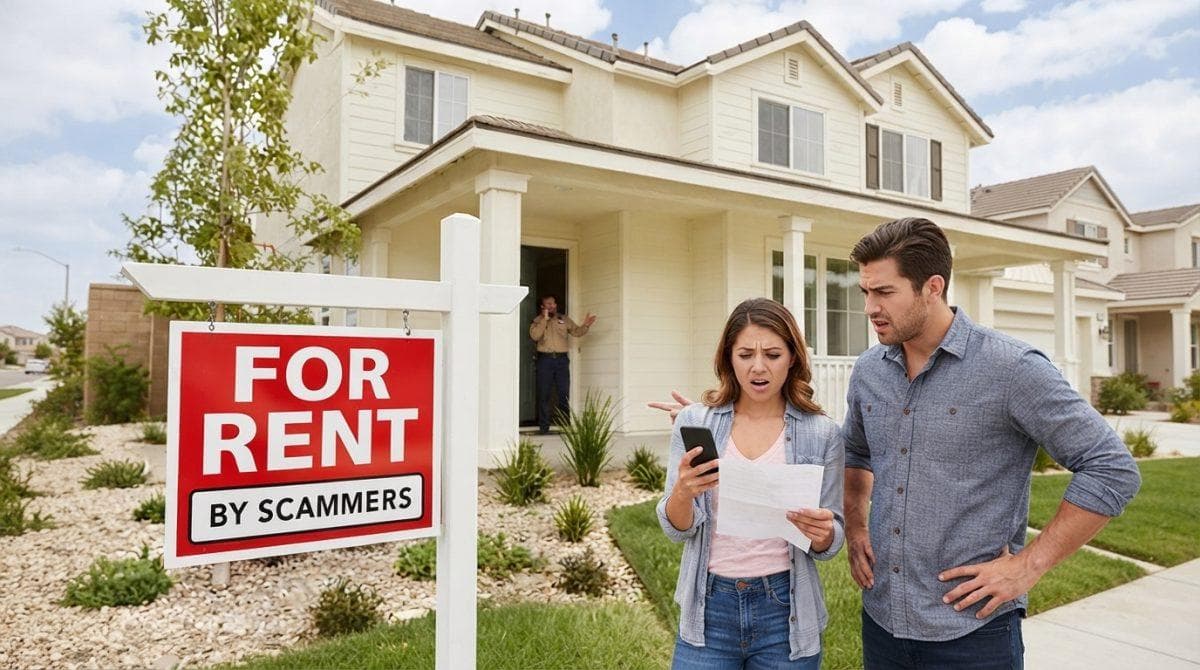
State housing regulations mandate strict protocols that property owners must follow before initiating any lawful tenant displacement or requesting apartment modifications, whereas unlawful operators often bypass these legal safeguards by manufacturing sudden maintenance emergencies to force immediate vacating. A clear example of this danger occurred recently in Sacramento, where a tenant named Julio Cerda paid $4k to rent a home and moved in briefly before a fake administrator demanded an immediate exit for fabricated repairs, later discovering the property was actually listed for sale while struggling to recover his money and keeping this rental scam warning in mind protects applicants from similar deception.
Landlords cannot execute sudden lockouts or utility shutoffs without first delivering formal written notices and obtaining proper judicial judgments through local court systems and occupants targeted by unlawful removal tactics retain specific legal remedies to challenge forced displacement and hold bad actors accountable for financial damages. Legal support networks emphasize that possessing physical keys does not grant unauthorized individuals the legal authority to execute lease agreements or collect monthly rents from prospective occupants and thorough credential verification ensures that applicants protect themselves before signing any paperwork.
Step by step methods for verifying a house or property before handing over thousands of dollars
-
Accessing official county assessor databases allows prospective tenants to cross-reference property addresses and verify the legal owner’s identity, ensuring that self-proclaimed administrators possess proper authorization before any funds change hands while keeping a rental scam warning active in mind.
-
Reviewing state regulatory registries through the Department of Real Estate confirms whether a leasing agent holds a valid operating license, whereas unauthorized individuals attempting transactions without credentials signal an immediate housing fraud alert.
-
Insisting on an in-person interior walkthrough and demanding official government-issued identification from property representatives protects applicants from deceptive online advertisements using stolen photographs of vacant homes.
-
Cross-checking property tax records and utility billing history validates whether the person collecting payments maintains a legitimate relationship with the actual asset owner, preventing irreversible financial losses and reinforcing every rental scam warning.
-
Avoiding untraceable peer-to-peer cash transfers or wire applications for initial deposits ensures that transaction records remain legally protected under consumer financial protection laws.
-
Consulting local legal aid networks before signing lease agreements provides renters with expert evaluations of contract legitimacy, reinforcing safety measures against fraudulent practices.
Understanding legal eviction procedures and required written notices
Successful housing protection requires thorough preparation, clear documentation and professional communication with local legal aid organizations, demanding that renters evaluate their lease agreements carefully to identify optimal windows for submitting formal inquiries. Tenants who combine market research with consistent payment records maximize their chances of securing favorable financial adjustments across the metropolitan area, ensuring sustainable monthly savings and long-term security while acknowledging a rental scam warning.
Maintaining open communication with official consumer protection agencies fosters positive relationships that facilitate ongoing housing awareness and mutual trust, ensuring that households remain resilient against unexpected economic shifts while enjoying safe living conditions. Property occupants seeking financial relief can consult official resources like the California Department of Justice to explore supplementary housing support, while local organizations remain available for stabilization assistance. Initiating structured discussions today optimizes monthly budgets and secures long-term stability, successfully avoiding deceptive traps and maintaining a reliable safety net.
Essential steps for verifying property ownership and preventing scams
-
Housing fraud alert protocols require applicants to cross-reference property addresses with county assessor records to confirm the true identity of property owners.
-
Prospective tenants should always insist on meeting property representatives in person and reviewing government-issued identification before signing agreements, keeping any rental scam warning present.
-
Avoiding wire transfers or cash payments for security deposits protects consumers from irreversible financial losses associated with fraudulent online listings.
-
Requesting physical copies of building management credentials ensures that leasing agents possess proper authorization to conduct rental operations.
-
Reporting suspicious advertisements to platform administrators helps remove fraudulent listings and protects other community members from deceptive schemes while addressing a rental scam warning.
-
Consulting the California Courts Self-Help Guide offers valuable resources for maintaining awareness of deceptive operations and ensuring safe housing practices.
