

WATCH NOW
Watch on the app






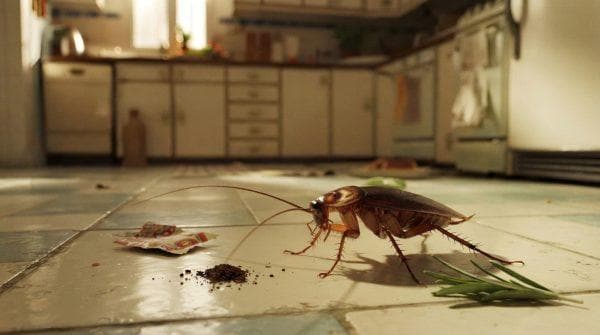







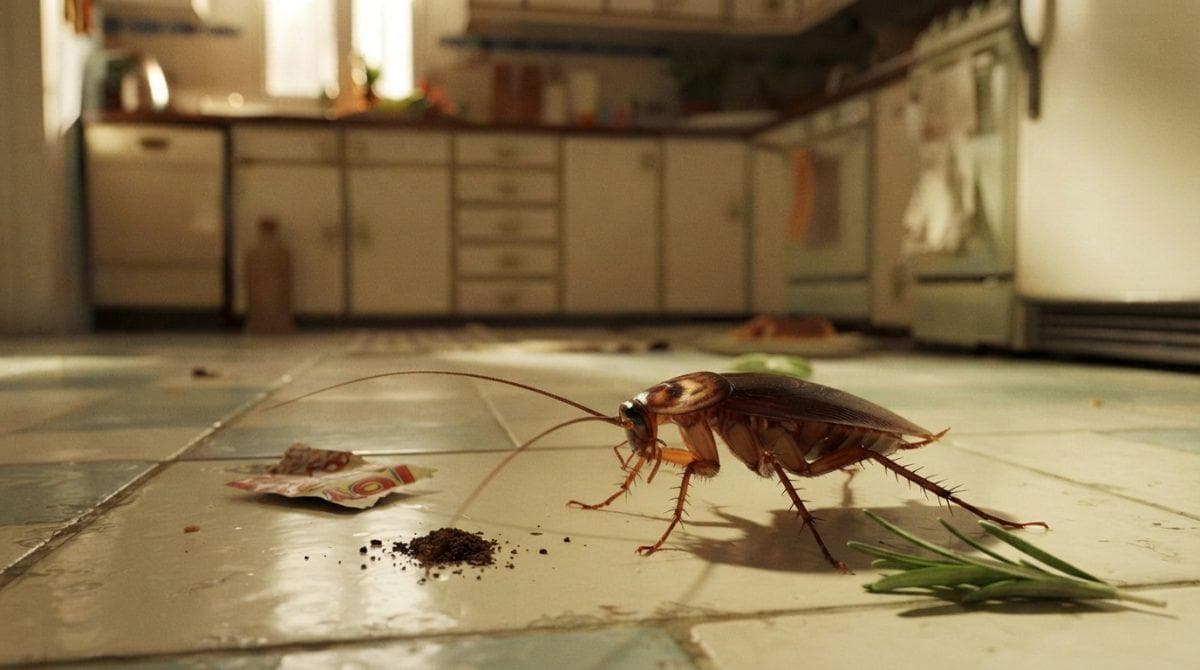
Cockroaches may have a secret entrance to your kitchen and experts say you can block it
-
Hidden cockroaches entrances serve as a common route when insects invade domestic spaces through unsealed gaps.
-
Moisture, food debris and open spaces turn this hidden kitchen zone into an ideal shelter.
-
The EPA recommends sealing cracks, repairing leaks and eliminating conditions that support an active infestation.
Cockroaches enter kitchens and create an unpleasant feeling while raising hygiene concerns, particularly when pests access homes through gaps around the sink plumbing, whereas this area often remains hidden while accumulating moisture, food debris and potential hiding places, prompting the U.S. Environmental Protection Agency to recommend sealing these openings to prevent unwanted insects from entering the living space, as detailed in the EPA Cockroach Management Guide.
These pests travel easily through structural voids, building cavities or outdoor sectors whenever they locate an opening between supply lines and the wall, meaning that the risk increases when leaks, condensation, organic waste or exposed food are present, thus requiring homeowners to inspect the space beneath the sink and eliminate the conditions that allow these insects to remain there, following expert advice provided by the National Pest Management Association.
Cockroaches and residential pipe vulnerabilities
The space beneath the sink brings together 3 elements that pests need to survive, water, food, and shelter, while plumbing connections often pass through cabinets or walls, leaving small gaps between the pipes and surrounding surfaces and although these openings may seem insignificant, they allow insects to move from internal cavities straight into the kitchen, often taking advantage of hidden cockroaches entrances behind the structure.
The U.S. Environmental Protection Agency also advises sealing openings around pipes, ducts and utility lines to reduce pest entry and movement, establishing an effective preventive measure that involves inspecting hidden areas with a flashlight while looking for cracks, holes, moisture, droppings or other signs of activity, as these indicators frequently reveal an active entry route across more than 10,000 affected urban homes annually, according to statistics from the Centers for Disease Control and Prevention.
Managing moisture and potential leaks
Sealing an opening, however, will not fully resolve the problem if a water source remains beneath the sink, given that even a minor drip can preserve moisture for long periods and provide pests with the liquid they need to survive, while condensation on the pipes creates favorable conditions whenever ventilation remains poor or the cabinet stays closed.
Homeowners should repair leaks immediately and dry wet surfaces after using the sink, ensuring that inspections include pipe joints, valves, the drain and hidden cockroaches entrances at the rear section of the cabinet, since a persistent leak can damage wood, create unpleasant odors, and establish conditions that support insect reproduction affecting over 2.5 million households, thereby making prevention a combination of proper repairs, ventilation and regular cleaning, as outlined by the University of Florida Extension Entomology Department.
Practical measures for home maintenance
Prevention begins with a systematic inspection of the area beneath the sink, where specific steps reduce entry points and eliminate factors that attract these insects:
-
Remove all stored items from beneath the sink to expose 100% of the area.
-
Use a flashlight to locate cracks, holes, moisture and signs of activity.
-
Seal small openings around pipes with suitable caulk or sealant.
-
Fill larger gaps with materials compatible with the surrounding surface.
-
Repair leaks in connections, valves, drains and supply pipes.
-
Dry any moisture and improve ventilation inside the cabinet.
-
Store food in airtight, pest-resistant containers.
-
Clean crumbs, spills and food debris immediately.
-
Empty the trash frequently and keep the container covered.
-
Avoid leaving dirty dishes overnight, including checking hidden cockroaches entrances.
Ver esta publicación en Instagram
The choice of sealing material depends on the surface and the size of the opening, meaning that small cracks require caulk or sealant, whereas larger gaps need a compatible filler before the final coating, so every repair should remain secure and free of gaps, urging homeowners to repeat the inspection after several days to confirm that no new signs of moisture or insect activity have appeared.
Consistent cleaning routines and securing hidden cockroaches entrances
Sealing entry points goes hand in hand with cleaning habits that reduce the food available to pests, creating an effective kitchen routine that includes wiping countertops, sweeping or vacuuming floors, removing residue from appliances and washing trash containers, as these actions reduce the odors and organic debris that attract insects to the sink and surrounding zones.
Food must remain in sealed containers and spills require prompt cleaning, while dirty dishes left overnight provide both food particles and moisture and accumulated trash becomes another food source, meaning that when bugs continue to appear after homeowners eliminate food, water, shelter, and access points around hidden cockroaches entrances, the ongoing activity signals an established infestation that requires professional assessment and targeted control methods to eliminate cockroaches.
