

WATCH NOW
Watch on the app













Two Queens neighbors came down with the same illness only to uncover a bigger problem in their building
-
Residential building investigation efforts launch as health officials confirm 2 cases of Legionnaires’ disease across the local area.
-
A residential building investigation remains underway as city health authorities evaluate the domestic hot water system while ruling out any broader community outbreak risks.
-
Public health professionals emphasize that older adults require maximum clinical supervision due to heightened health vulnerabilities.
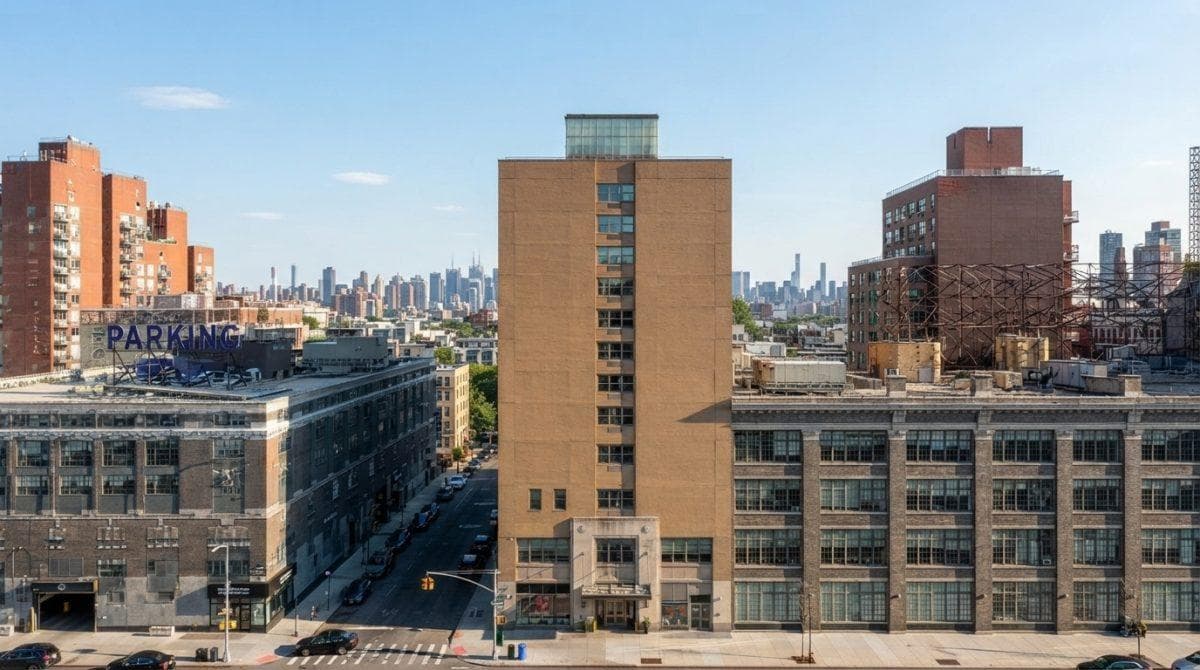
Queens apartment complex occupants experienced official inquiries by the New York City Department of Health and Mental Hygiene after authorities confirmed two cases of Legionnaires’ disease at the North Shore Towers complex along Grand Central Parkway and municipal health inspectors initiated technical evaluations. Meanwhile, public officials clarified immediately that this medical situation does not represent an extended community outbreak for surrounding neighborhoods and public health administrators determined that the general tap water supply maintains safe conditions for daily consumption during this ongoing evaluation.
Community family members expressed deep concern due to the high concentration of older adults residing inside the building and health authorities supervise every protection protocol rigorously to safeguard vulnerable residents against severe respiratory infections. Concurrently, relatives of advanced-age tenants highlighted anxieties regarding general living environment conditions, while property operators collaborate actively with sanitary control agencies to guarantee a secure atmosphere.
Queens apartment complex surveillance protocols
Inspectors from the New York City Department of Health and Mental Hygiene concentrated operational efforts on a deep review of the domestic hot water system at the North Shore Towers complex along Grand Central Parkway and technicians dismissed cooling towers initially as potential bacterial sources while conducting a detailed residential building investigation. Officials notified building management formally regarding required mitigation protocols and experts keep the epidemiological investigation open to determine the exact origin of pathogenic exposure.
Residents received detailed instructions to minimize risks while hydraulic testing continues across the facilities and official spokespersons reiterated that the presence of the Legionella bacteria lacks definitive confirmation within analyzed plumbing lines. Furthermore, tenant relatives stressed the urgency of maintaining transparent communication by corporate management and local administration distributes daily informative dispatches during the ongoing residential building investigation to dispel unfounded fears among the community.
Clinical risk factors and institutional preventive measures
-
Medical specialists warn that older adults face extreme vulnerability against complex pulmonary conditions and community families request constant clinical evaluations to safeguard resident physical integrity throughout the residential building investigation.
-
Legionellosis requires priority medical attention upon the emergence of persistent respiratory symptoms and local health centers intensify epidemiological surveillance to detect clinical complications early in older patients.
-
Health agency guidelines permit safe tap water consumption under strict supervision and building administrators established direct assistance channels to resolve concerns for worried tenants.
-
Recent environmental inspection precedents in New York, including prior interventions executed in zones like the Upper East Side and the South Bronx, demonstrate the efficacy of state preventive protocols, and experts confer maximum priority to the timely containment of pathogens in large urban residential complexes.
Epidemiological evaluation and operational protocols for the property
Municipal epidemiologists emphasize that laboratory tests continue their course without yielding conclusive results regarding plumbing lines of the North Shore Towers complex along Grand Central Parkway, and residential complex administrators implemented additional safety filters while official investigations proceed. Simultaneously, neighbor associations collaborate closely with medical personnel to monitor general resident health statuses and local government spokespersons recall the importance of reporting respiratory anomalies without delay during a formal residential building investigation.
Historical precedents of bacterial infections in New York drive increasingly rigorous institutional responses from health authorities and control agencies maintain constant inspections across high-rise buildings following records previously noted in the Upper East Side and the South Bronx. Experts champion proactive community resilience to safeguard collective welfare within the metropolitan landscape, reinforcing absolute oversight across the Queens apartment complex.
