

WATCH NOW
Watch on the app











Oscars 2026: The lowest viewership in four years
-
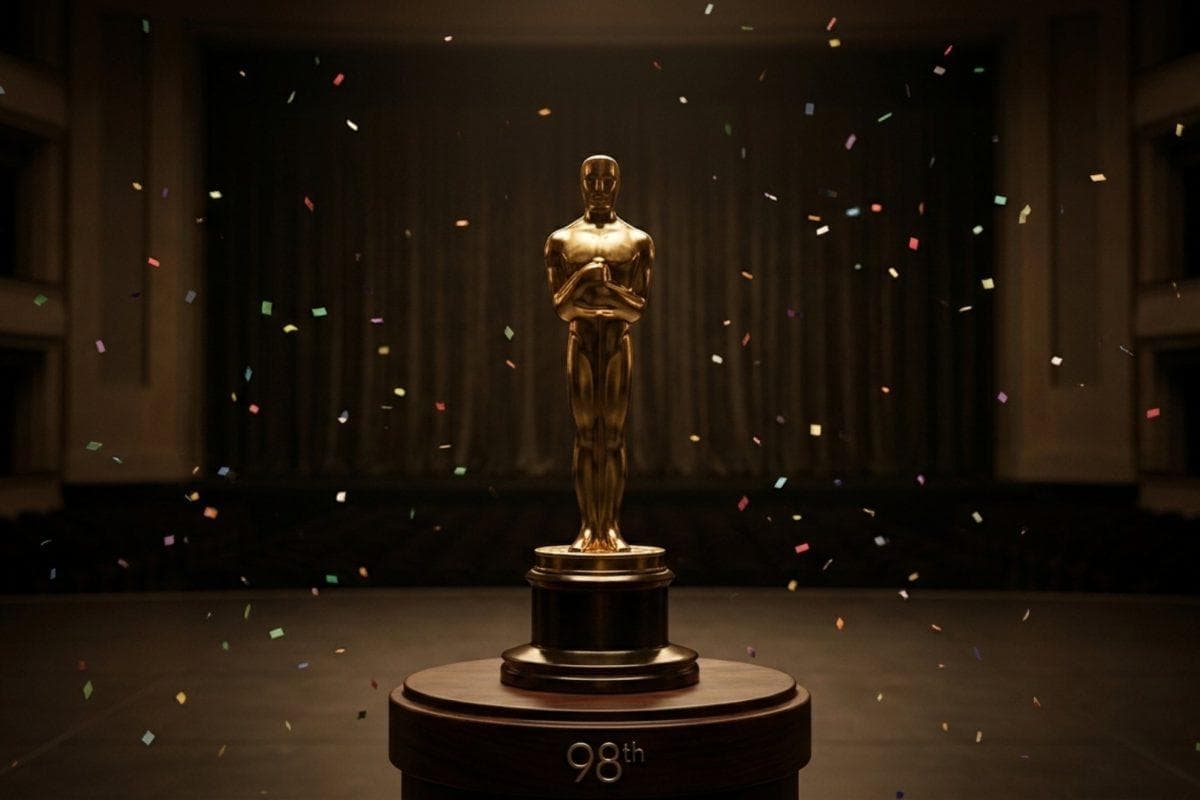
The 98th edition of the awards drew 17.86 million viewers, representing a 9% drop compared to the 2025 ceremony and the lowest level since 2022.
-
Despite the decline in traditional television, the event achieved a historic 42% growth in digital interactions, reaching 181 million impressions on social media.
-
The gala, hosted by Conan O’Brien, crowned “One Battle After Another” as Best Picture on a night marred by technical glitches and pacing issues.
The Hollywood industry faces a new challenge following the release of official Nielsen data for the 98th Academy Awards, which recorded its lowest viewership level in the last four years by gathering just 17.86 million viewers. This figure represents a significant setback compared to the nearly 20 million reached the previous year, confirming a fatigue trend in traditional award formats that has also recently affected the Grammys and the Golden Globes with drops near 6%. Although the ABC and Hulu broadcast remained the most watched entertainment program of the season in primetime, the steep 14% drop in the key 18-49 adult demographic raises alarms about the event’s ability to connect with younger generations, who seem to be permanently migrating toward short clips and on demand content.
Digital refuge vs. small screen decline
Paradoxically, while television ratings took a historic hit, the ceremony’s digital presence experienced an unprecedented boom, exceeding 181 million impressions across social platforms according to detailed Talkwalker reports. This 42% increase in interaction demonstrates that the public has not lost interest in the “Oscar” brand, but rather prefers consuming the gala’s highlights, such as Jessie Buckley’s emotional speech after winning Best Actress for “Hamnet”, through social media instead of tuning into three hours of linear broadcast. This phenomenon suggests that the prestige of the statuette remains intact in the cultural imagination, even if the Academy must urgently rethink its production dynamics to prevent the televised gala from becoming an obsolete format against the digital ecosystem’s immediacy.
Between statuettes and technical mishaps
On a purely cinematic level, the night was a resounding triumph for director Paul Thomas Anderson, whose ambitious film “One Battle After Another” took home six statuettes, including Best Picture and Best Director, gaining consensus among specialized critics. Meanwhile, the drama “Sinners” solidified Michael B. Jordan as the Best Actor of the year in a performance that was widely applauded by those in attendance at the Dolby Theatre. However, the winners’ shine was somewhat dimmed by a production that many critics have called troubled, including notable audio failures during musical numbers from productions like “KPop Demon Hunters” and erratic time management that led to the abrupt interruption of several acceptance speeches by the orchestra.
The Conan O’Brien factor and the future of the gala
Despite Conan O’Brien’s charisma and efforts in his second stint as host, these technical issues, combined with scripted segments that ran much longer than planned, contributed to a generalized perception of poor pacing. The victory of the song “Golden” was one of the few moments that managed to revitalize the audience’s energy, but it wasn’t enough to retain the millions of viewers who tuned out before the final award was presented. With 2027 on the horizon, the Academy faces the difficult task of balancing respect for cinematic tradition with the need for a lean, glitch-free television spectacle that justifies the time of an increasingly impatient audience.
