

WATCH NOW
Watch on the app













New York’s power system is nearing a breaking point and the margin is shrinking
-
The electricity reserve margin in New York has dwindled to just 417 megawatts (MW), the lowest level in over a decade, severely threatening supply stability ahead of the upcoming summer.
-
The New York Independent System Operator (NYISO) warns that an extreme heatwave with temperatures reaching 35°C (95°F) for three consecutive days would trigger a capacity deficit of -1,679 MW.
-
The retirement of obsolete coal and nuclear plants, combined with delays in renewable energy projects and rapid electrification, drives this grid vulnerability.
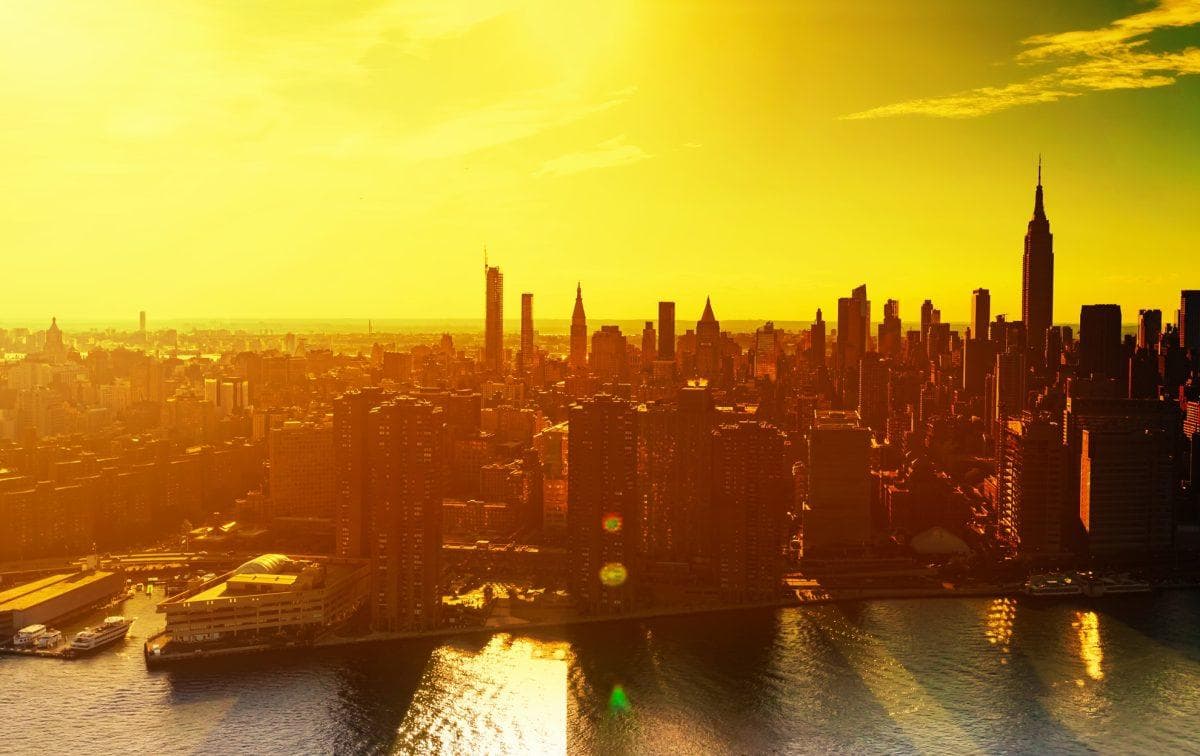
Summer has not yet officially begun, but warning lights are already flashing across the East Coast energy sector. The state of New York faces its narrowest electricity safety margin in over ten years. According to the latest report from the New York Independent System Operator (NYISO), the gap between available generation capacity and projected peak demand has shrunk to a historic low, leaving the grid highly vulnerable to any prolonged heatwave.
A safety cushion at its absolute minimum
The current reserve margin stands at just 417 MW, an alarming figure when compared to the safety cushions of previous years. To put this gravity into perspective, this surplus is barely enough to power about 250,000 homes during peak consumption periods.
The legal minimum reserve required by the New York State Reliability Council is 2,620 MW above the projected peak demand, which experts estimate at 31,578 MW for this season. With that buffer practically gone, the grid will operate this summer without a safety net, running dangerously close to the historic consumption record of 33,956 MW set in July 2013.
The worst-case scenario: Extreme temperatures and megawatt deficits
The NYISO technical report outlines critical projections should summer weather exceed historical averages:
-
35°C (95°F) Heatwave: If temperatures reach this average for three consecutive days, the capacity margin would plunge to -1,679 MW.
-
37°C (98°F) Heatwave: Under an even more severe scenario, the energy deficit would skyrocket to -3,370 MW.
If these conditions materialize, authorities would have to activate emergency protocols immediately to secure up to 3,166 MW in additional power and prevent a massive blackout across New York State.
The factors driving the energy crisis
This delicate energy transition is the result of a perfect storm. On one hand, the state accelerated the retirement of nuclear plants and highly polluting coal facilities to meet regional environmental goals. However, severe logistical and bureaucratic delays continue to plague the integration of solar, wind and clean energy storage projects.
At the same time, power consumption is rising exponentially due to the rapid electrification of residential heating, the proliferation of electric vehicle chargers and the heavy use of air conditioning systems during increasingly harsh summers.
Mitigation measures and public alerts
Aaron Markham, Vice President of Operations at NYISO, emphasized that maintaining grid reliability will require precise coordination with operators in neighboring states like New Jersey and Pennsylvania to import emergency power, an alternative that could drastically drive up electricity bills.
Additionally, New York residents must prepare for frequent alerts urging them to reduce consumption during peak hours. If these voluntary measures fall short, scheduled and controlled rolling blackouts will shift from a contingency theory to a necessary reality to save the system from total collapse.
