

WATCH NOW
Watch on the app



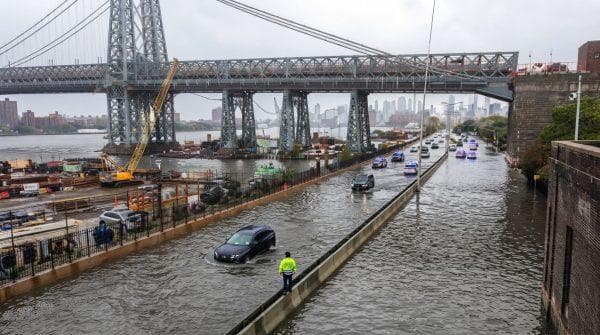











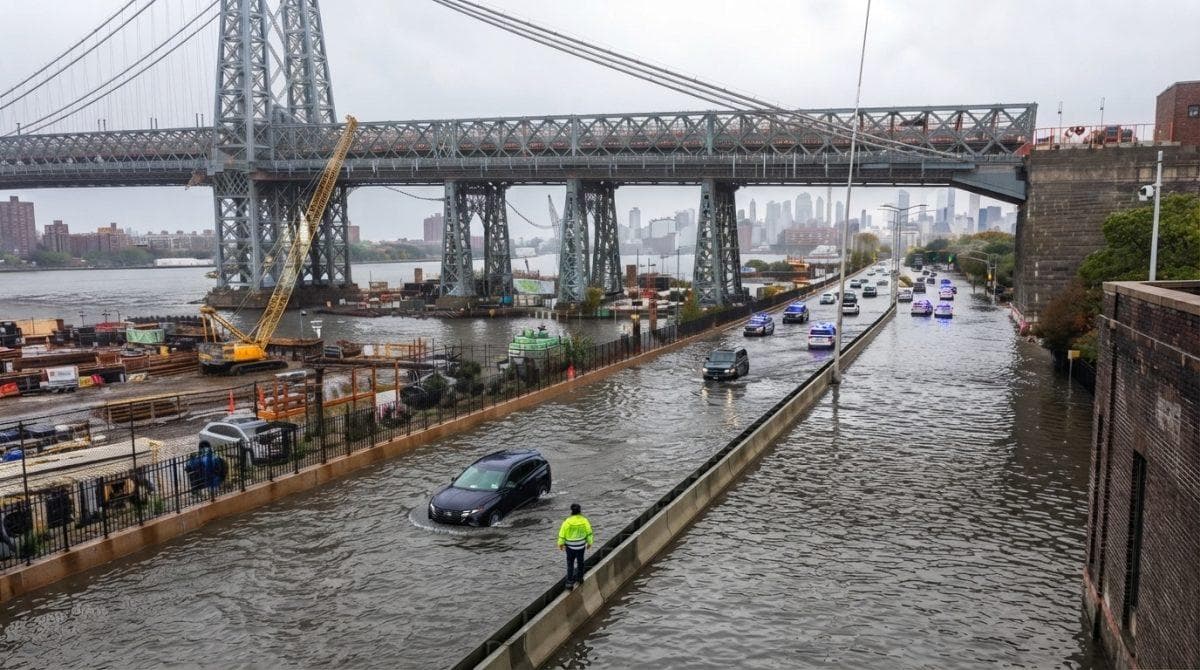
New York has identified 86 areas where growing flood risks are getting special attention
-
Coastal inundations threaten up to 800,000 residents who face high water risks by 2050, while local authorities implement urban projects and rural subsidies.
-
Municipal leaders prioritize infrastructure investments across 86 vulnerable urban zones to protect communities from accelerating severe weather events.
-
State officials allocate multimillion dollar grants to help agricultural producers adapt their operations against persistent droughts, heavy storms and unexpected frosts.
New York flood risks endanger up to 800,000 residents living in vulnerable sectors by 2050, while the local sea level might rise up to 1,3 m toward the end of this century. Municipal and state administrations deploy comprehensive urban engineering projects alongside rural subsidies to protect local communities from severe storms, prolonged droughts, and agricultural frosts.
Municipal institutions identified 86 priority areas where growing environmental hazards receive special attention to safeguard families across New York during 2026. Official reports indicate that nearly 800,000 people could reside in vulnerable coastal sectors before reaching 2050, as Khalilur Rahman, president of the United Nations General Assembly, outlined these alarming projections during a high-level meeting dedicated to rising sea levels. Public policy design prioritizes community resilience against contemporary climate challenges while municipal estimates place local sea level increases between 28 cm and 61 cm for the 2050 decade.
New York flood risks management in vulnerable urban sectors
Local authorities from the Department of Environmental Protection established a detailed registry of priority areas requiring immediate civil engineering interventions across the urban landscape, whereas municipal civil engineers develop profound enhancements within storm sewer networks to prevent widespread water accumulation in heavily populated residential neighborhoods. Specialized field crews install innovative rain gardens designed to absorb excess hydrological volume during the most intense downpours recorded throughout the region, and these defenses directly mitigate coastal inundations across residential zones.
Environmental Protection Commissioner Lisa García confirmed that the city mapped exactly 86 priority zones to concentrate strategic investments against recurring urban overflows, while the Department of Housing Preservation and Development calculates that populations exposed to coastal surges could nearly double over the coming decades. Climate adaptation strategies combine robust underground drainage upgrades with natural absorption spaces before extreme weather events overwhelm municipal infrastructure, ensuring long-term protection for urban populations.
Coastal inundations and historical climate acceleration
Environmental threats possess a thoroughly measurable scale within the contemporary urban ecosystem, given that local waters surrounding New York rose approximately 30 cm since 1900. Global velocity regarding this oceanic expansion doubled significantly between initial satellite tracking decades and the 2015 to 2024 period and these ongoing coastal inundations demand immediate institutional action. State administrators drive an integrated climate agenda aimed at mitigating structural damages provoked by ongoing meteorological alterations, ensuring sustainable urban development.
Governor Kathy Hochul announced a massive allocation of USD 2.000 billion through the New York State Climate Action Council program designed to curb pollutant emissions and create sustainable green jobs, while this strategic plan guarantees that at least 40% of all economic benefits reach disadvantaged communities directly across the territory. State leadership consolidates an effective energy transition model that simultaneously lowers household utility expenses in vulnerable neighborhoods, reinforcing regional climate resilience.
Financial resilience and adaptation support for rural farming zones
-
Coastal inundations driven by severe weather patterns pose direct threats to agricultural productivity, leading state administrations to allocate USD 16,8 million in competitive grants allowing agricultural producers to prepare farming operations against floods, droughts, and damaging frosts.
-
The Climate Resilient Farming Grant Program finances adaptation projects focused on improving soil health, protecting water resources, and reducing agricultural methane emissions, ensuring sustainable food production systems throughout the region.
-
Exactly 9 previous funding rounds distributed USD 94 million among 713 agricultural projects, while application submissions for this new call close on November 23, 2026, at 17:00, expanding regional opportunities.
County Soil and Water Conservation Districts coordinate technical proposals presented by local agricultural producers across the entire state jurisdiction, whereas scientific experts warn that overall problem magnitude demands continuous budgetary commitment and long term societal collaboration. Comprehensive territorial planning seeks to minimize material damages and safeguard public security against ongoing challenges associated with New York flood risks.
