

WATCH NOW
Watch on the app









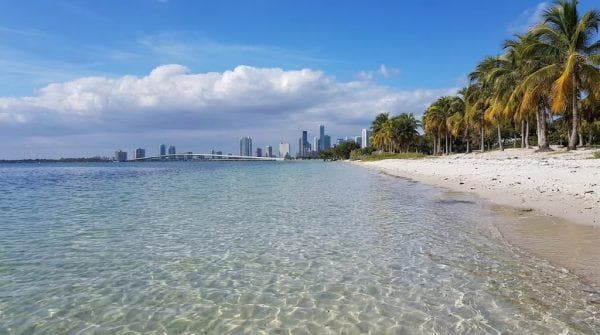




Miami voters say no to a multimillion-dollar deal that could have transformed Virginia Key
-
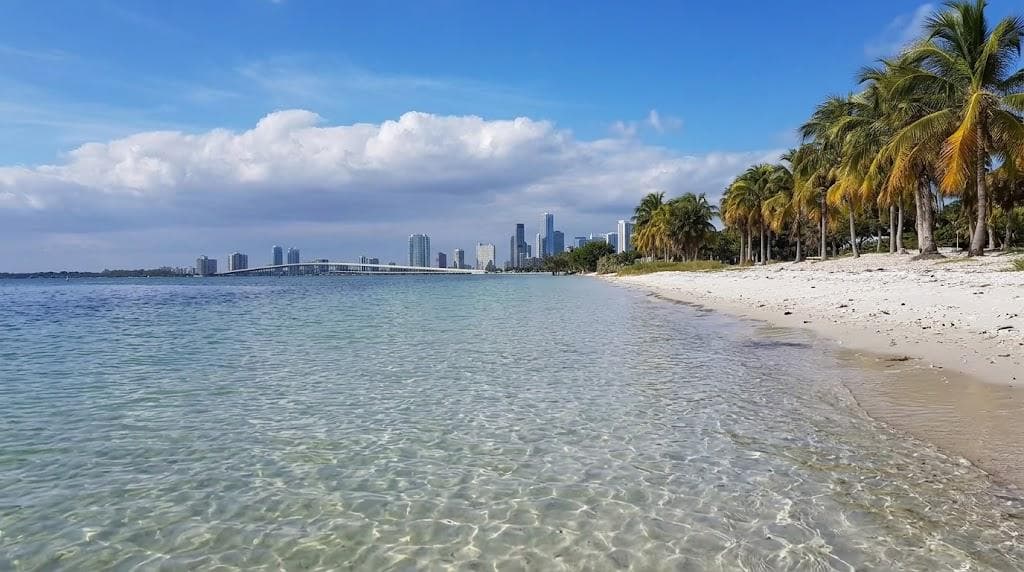
Virginia Key deal rejection blocks the private development of 28 acres of city-owned waterfront land along Biscayne Bay.
-
Residents reject a 45-year lease proposal aimed at transforming the Rickenbacker Marina complex.
-
Voters demand competitive and transparent public bidding processes for all municipal coastal assets.
Miami voters resoundingly rejected the controversial Proposal 3 at the ballot box on October 6, 2026, successfully halting a proposed 45-year lease agreement with two 15-year renewal options awarded to Virginia Key LLC, a joint venture formed by Dallas-based Suntex Marinas and Miami Beach-based RCI Marine Group, intended to redevelop 28 acres of municipal waterfront land and two marinas along the Rickenbacker Causeway; this referendum recorded a 65% vote against the measure versus 35% in favor, sparking widespread celebrations among Biscayne Bay environmental advocates, Rickenbacker Marina operator Aabad Melwani of Preserve & Protect Miami, and Adam Gersten, owner of the popular waterfront bar Gramps Getaway, who actively led the “No” campaign alongside senior advisor Justin Mendoza-Routt right outside the establishment situated just south of the Rusty Pelican restaurant.
Celebrating the community’s victory against the private proposal that offered a minimum annual base rent of $2.2M plus a revenue percentage alongside an $80M private investment, Melwani publicly declared that “our public waterfront should benefit the people of Miami, not out-of-state private equity interests looking to cash in on it”, further emphasizing during his post-election speech that “this victory belongs to the people of Miami who are tired of seeing the places that make our city special become increasingly commercialized, expensive and inaccessible to families for generations”.
Environmental impact and disputes over maritime heritage
Originally conceived in 2017 and placed on the ballot by the City Commission following an explicit judicial order after years of court litigation, the project drew sharp criticism because financial estimates relied on outdated calculations predating the post-COVID-19 real estate boom driven by wealthy newcomers from New York and California; facing these conditions, community advocates celebrated the referendum outcome against commercial privatization efforts, forcing municipal authorities to re-evaluate how they manage both the historic Miami Marine Stadium and the adjacent Rickenbacker Marina instead of handing control to developers who stated publicly, under news coverage photographed by Al Diaz, that “it is only a matter of time before the city’s vision of a transformed marina complex becomes a reality”.
Furthermore, municipal regulations require a public referendum for any future lease or sale of city-owned waterfront land, compelling local authorities to consider operating the Rickenbacker Marina directly after suffering their second consecutive ballot setback following the 2021 rejection of a similar proposal by Biscayne Marine Partners regarding the initial Virginia Key deal framework; this electoral outcome solidifies local voters’ demand for direct public oversight over coastal resources while allowing private venue management firms to handle only the operations of the Marine Stadium as approved in the August elections.
Ver esta publicación en Instagram
Infrastructure measures and financial oversight approved at the polls
-
Public safety bond issuance: Residents enthusiastically supported Referendum 1 titled “Safe and Ready Miami” with a 61% approval vote to issue $450M in general obligation bonds.
-
Financial oversight committee: Referendum 2 secured a 71% majority vote to establish an independent oversight board monitoring city expenditures on police and fire rescue projects.
-
Commissioners statement: City Commissioner Eileen Higgins stated that “for decades, critical infrastructure needs for public safety have gone unaddressed, even as our city has grown”.
-
Facility modernizations: The municipal funds authorized on October 6, 2026, will directly finance repairs, modernizations, and replacements for aging fire rescue stations across the city.
-
Virginia Key deal referendum: Turnout among Miami voters confirmed that residents prioritize fiscal transparency while actively safeguarding open public access to local waterfront spaces.
Future outlook for the Virginia Key deal and municipal development
On the other hand, the election results establish a clear mandate for future urban development negotiations across Miami-Dade County, compelling city commissioners to structure all future municipal project bids with complete financial transparency and demonstrated community value; this firm direction set by Miami voters ensures that any proposed commercial real estate venture must secure direct public approval before altering city-owned land.
