








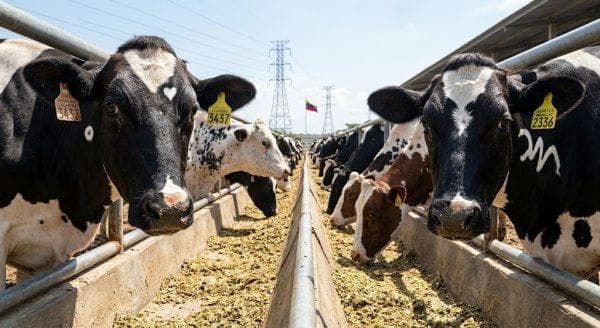






Bird flu’s first U.S. death of 2026 puts the spotlight back on infected dairy cows
-
Bird flu’s first U.S. death of 2026 places rigorous medical scrutiny on infected dairy cows as public health officials monitor agricultural outbreaks across the country.
-
Federal agencies evaluate viral mutations and worker exposures while regional clinics record rising respiratory illnesses during the active winter season.
-
Specialized epidemiologists urge heightened biosecurity protocols across commercial farms to prevent further zoonotic transmissions among agricultural personnel.
Washington health authorities confirm the first fatal case linked directly to avian influenza this year and consequently, experts emphasize the constant circulation of the pathogen among agricultural animals. Bird flu first death marks a critical clinical milestone that compels federal agencies to intensify inspections across regional dairy farms where the deceased victim maintained close contact with infected cattle while presenting predisposing medical conditions. Meanwhile, state officials track 3 total human infections registered across Washington during the current epidemiological period.
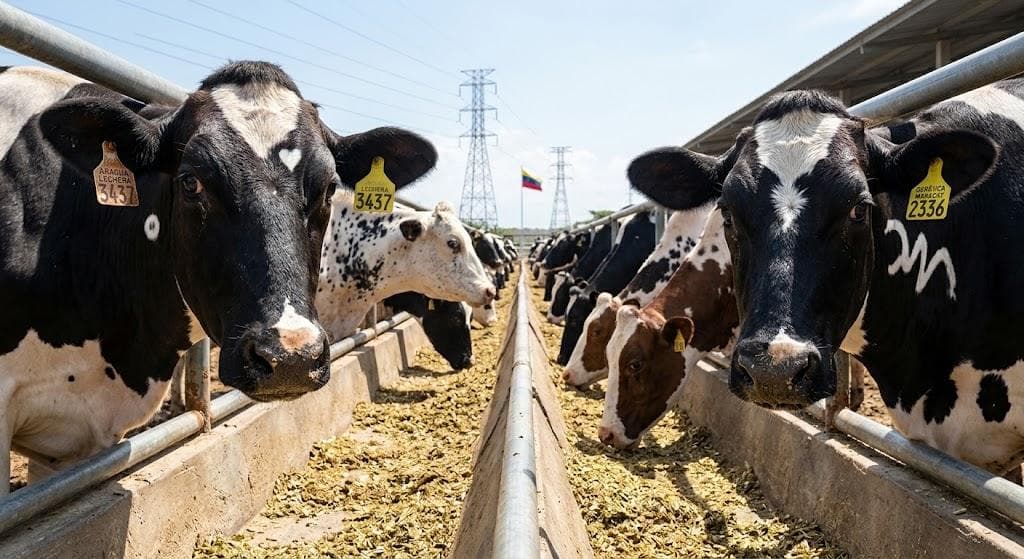
Furthermore, the Yakima Health District confirms that 2 additional workers experienced mild symptoms without requiring hospitalization and specialists from the Johns Hopkins Bloomberg School of Public Health explain that the pathogen persists actively among livestock populations. Infected dairy cows continue harboring the viral strain without showing immediate signs of disappearing from commercial agricultural environments, prompting medical leaders to advocate for strict protective measures among rural employees.
Epidemiological analysis and biosecurity controls in affected regions
The geographic expansion of the virus encompasses at least 33 dairy facilities within Yakima County since October 8, illustrating how rapidly the pathogen moves through agricultural communities. Accumulated rural worker infections expose vulnerabilities among unprotected handlers, while the outbreak extends into Benton County with an active quarantine order. Additionally, the state Department of Agriculture identifies the circulating strain as variant B3.13, which remains present across American herds since the spring of 2024 without showing mammalian adaptation markers in genetic sequencing.
Moreover, Dr. William Schaffner from the Vanderbilt University Medical Center warns that the virus threatens individuals suffering from chronic illnesses severely, mirroring the vulnerability observed in the Washington fatality. Winter seasonal influenza overlap compounds diagnostic challenges as regional viral activity exceeds normal seasonal thresholds through December, January, February and beyond. Accordingly, health organizations recommend widespread vaccination to mitigate severe clinical complications arising from potential co-infections.
Risk factors and preventive agricultural recommendations
-
Farm surveillance: Continuous epidemiological monitoring across dairy operations detects evolving strains like variant B3.13 active in livestock since the spring of 2024.
-
Food safety standards: Pasteurized milk and properly cooked dairy products remain entirely safe for public consumption, eliminating risks linked to commercially processed items.
-
Raw dairy warnings: Public health agencies caution against consuming unpasteurized milk and raw cheeses because the virus can inhabit untreated products from sick animals.
-
Personal protection: Appropriate personal protective equipment implementation remains mandatory for workers handling animals testing positive for the avian pathogen.
-
Institutional criteria: Medical specialists reiterate that seasonal flu immunization provides a vital foundational layer protecting vulnerable populations throughout cold weather months.
Loading video...Loading Video
Public health perspectives and future viral monitoring
Particularly, international health bodies rule out generalized community emergencies for unexposed citizens, yet medical experts stress the importance of maintaining vigilant oversight. Ongoing viral evolution within livestock will dictate upcoming preventive guidelines issued by federal agencies to protect public health and effectively control the spread of the pathogen linked directly to Bird flu first death.
