

WATCH NOW
Watch on the app













Mexico rushes a new Anti-Hooligan law before the 2026 World Cup
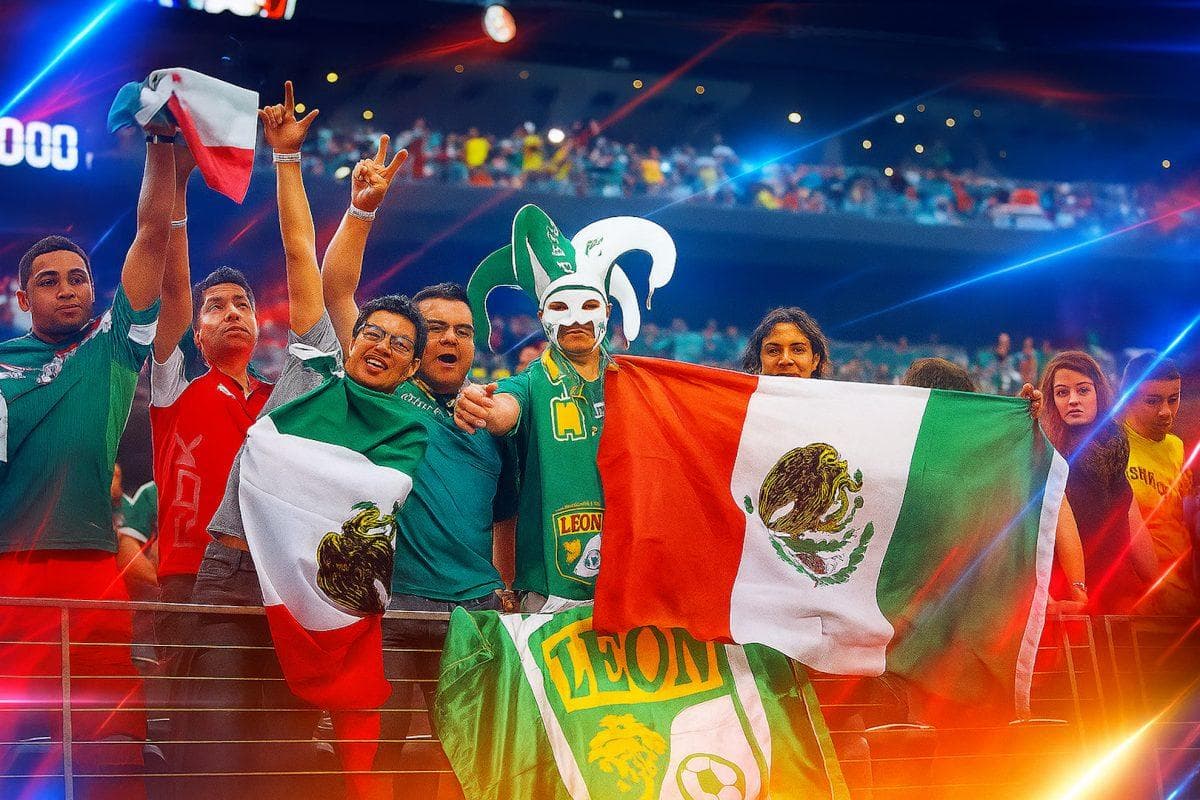
Mexico rushes its new Anti-Hooligan Law, but can it really fix decades of stadium violence before the 2026 World Cup?
A months-long debate just turned urgent. With the 2026 World Cup months away and FIFA watching every move, Mexico is fast-tracking its new Ley Antibarras, a sweeping reform designed to end fan violence once and for all, or at least prevent the kind of disaster that could jeopardize the country’s role as host.
But behind the political push, one question lingers: can a new law solve a problem Mexico has failed to control for decades?
Why Mexico is accelerating the Anti-Hooligan Law now
The timing isn’t random. The memory of the Estadio Corregidora tragedy in 2022, one of the darkest nights in Mexican football, still shapes global perception. FIFA has made it clear: no risks, no chaos, no excuses.
During the legislative proposal, deputy Lorena Piñón Rivera warned from the podium:
“¿Se imaginan que el Mundial sea sólo en Estados Unidos y Canadá?”
Mexico knows the stakes aren’t symbolic. Losing host-city status would mean losing hundreds of millions in tourism, global visibility, and political capital.
What exactly changes with the new Anti-Hooligan Law?
The proposal updates the Código Penal Federal and the Ley General de Cultura Física y Deporte, with penalties harsher than anything previously implemented:
-
Introducing weapons or dangerous objects: 2–5 years
-
Pitch invasion with aggression: 3–7 years
-
Participation in riots: 5–10 years
-
Inciting violence: 2–5 years
-
Property damage: 6 months–2 years
And this time, the scope extends beyond the stadium gates, to surrounding areas, transportation, and pre- and post-match activities.
The most controversial part: directivos could face prison
For the first time, club executives may face 7–12 years in prison if found complicit, negligent, or tied to violent barras.
This reflects a truth fans have repeated for years: stadium violence hasn’t survived despite clubs, it has survived because of them. Turning a blind eye may finally have consequences.
Will this law actually change anything before the World Cup?
That’s the billion-peso question.
Mexico has promised FIFA three safe host cities — CDMX, Guadalajara, Monterrey, but the pressure is enormous. The law still needs debate, approval, and, most importantly, enforcement.
Even the toughest laws fail if stadium security, clubs, and local governments don’t execute the plan with discipline and transparency.
The goal is clear: avoid even a single violent incident that could embarrass Mexico on the global stage. Whether this will finally tame the barras remains to be seen.
So… is this the final fix for Mexico’s fan-violence problem?
Realistically, no law can magically erase decades of cultural and structural issues. But it can deliver something Mexico has lacked: accountability with teeth.
The next months will reveal whether this is the beginning of a safer era, or just another promise made under World Cup pressure.
