

WATCH NOW
Watch on the app


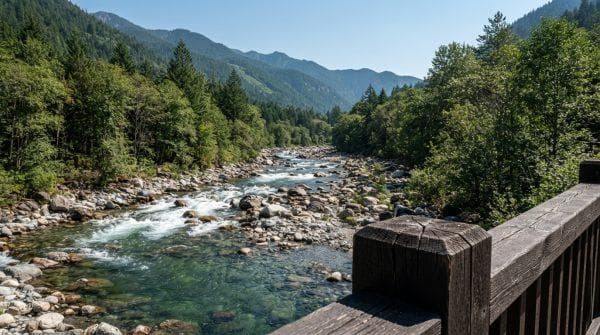












California river is drying up at the worst possible time for one species
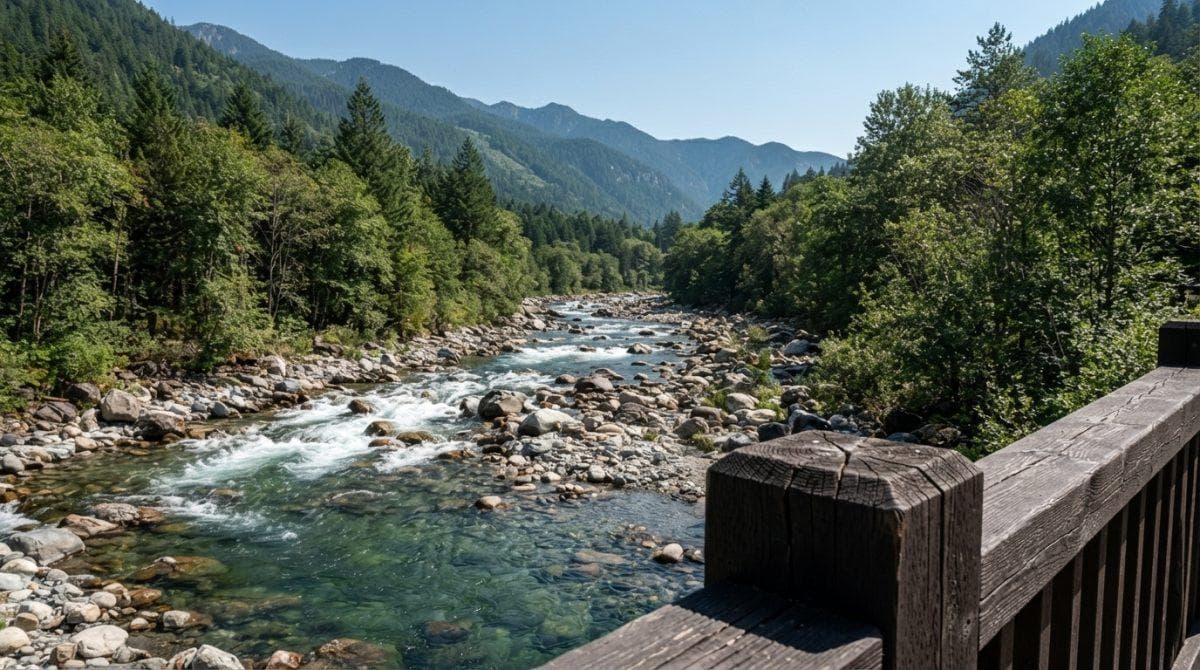
-
Drying waterway landscapes in the scenic mountains of northern California suffer unprecedented ecological strain as lingering drought cycles afflict regional watersheds, turning the vital Scott River into brittle dust.
-
State water regulators emphasize that record-low snowpack levels reaching just 1% serve as the primary driver behind diminishing water supplies, whereas conservation advocates argue that excessive agricultural extraction accelerates the unfolding crisis.
-
Local agricultural producers defend their operational practices by pointing to broader climatic shifts and historically low precipitation rates, while indigenous tribes demand permanent management programs to safeguard minimum streamflows.
California river landscapes in the scenic mountains of northern California suffer unprecedented ecological strain as lingering drought cycles afflict regional watersheds, turning the vital Scott River into brittle dust. Alongside the neighboring Shasta River, the Scott River stands out as one of the most heavily regulated watercourses in California due to its critical importance for salmon populations, prompting the State Water Resources Control Board to adopt emergency regulations following Governor Gavin Newsom‘s 2021 water emergency declaration and a subsequent state law extending these special regulatory powers through 2031 while permanent rules are developed.
Local agricultural producers defend their operational practices by pointing to broader climatic shifts and historically low precipitation rates, while indigenous tribes demand permanent management programs to safeguard minimum instream flows. Erik Ekdahl, deputy director at the State Water Resources Control Board, notes that while surface diversions impact flows immediately, subterranean pumping effects can take months to materialize, adding that this drying waterway possesses the intrinsic capacity to dry up entirely even under minimal diversion scenarios.
Environmental impact and climate factors on the California river
Prolonged meteorological drought conditions significantly reduce natural snowpack accumulation across surrounding mountain ranges, depriving local watersheds of essential summer meltwater from the Klamath River basin. State Water Resources Control Board officials report that seasonal snow accumulation reached a negligible fraction of historical averages on May 1, directly accelerating the drying phenomenon across vulnerable valley streams alongside the neighboring Shasta River.
Water management experts explain that extensive groundwater pumping severely disrupts subterranean aquifers, which subsequently diminishes surface flows over extended temporal periods, and conservation groups frequently inspect this drying waterway to monitor habitat loss. Furthermore, environmental groups criticize regulatory oversight for failing to curb excessive agricultural extractions swiftly enough, creating critical vulnerabilities for native wildlife populations and repeating dry spells recorded across 2021, 2022, and 2023 following emergency declarations issued by Governor Gavin Newsom.
Ver esta publicación en Instagram
Agricultural friction and regulatory measures
-
Agricultural associations contend that stringent pumping restrictions fail to address fundamental climate realities, proposing aquifer recharge projects and controlled forest burns within U.S. Forest Service lands instead.
-
State authorities implemented emergency curtailment orders directing farming operations to halt direct surface diversions from the Scott River during peak dry periods while requesting 30% consumption reductions, protecting this vulnerable drying waterway from total collapse.
-
Local producers face potential legal citations and administrative fines if agricultural teams continue unauthorized water withdrawals amidst active scarcity warnings issued by state agencies and inspectors have already issued official violations to several growers for defying direct extraction bans.
-
Environmental watchdogs advocate for permanent regulatory frameworks that enforce mandatory cutbacks in regional agricultural groundwater consumption to protect critical fish habitats.
-
Tribal legal representatives emphasize that robust oversight remains essential to maintaining healthy aquatic habitats for returning chinook and coho salmon runs following the historic removal of 4 Klamath River dams.
Indigenous advocacy and long-term conservation strategies
The landmark completion of 4 dam removals along the Klamath River in 2024 sparked immense hope as the largest such project in United States history and recent studies revealed that salmon have successfully returned to spawn across 88% of their historical areas.
Meanwhile, the Scott River empties into the Klamath downstream from those former dams as a historically productive tributary, and severe seasonal dry spells block fish passage upstream while concentrating vulnerable populations in lower reaches to elevate disease outbreak risks
Leonard Lincoln, president of the Quartz Valley Indian Reservation, joined environmental leaders in signing a formal letter demanding a strict regulatory review from the State Water Resources Control Board, declaring: “The health of the river reflects the health of our people, and the Scott cannot continue to serve as a vital salmon nursery without fresh, clean water.” Addressing alternative perspectives in recent public statements, valley producer Brandon Fawaz acknowledged the severity of the crisis while pointing to broader climate pressures: “No matter how much you regulate the agricultural community and take away their water, you are not going to make the river flow properly in a year like this.” Local farmers propose practical alternatives such as flood-recording aquifer recharge, surface storage enhancements and controlled burns in over-vegetated U.S. Forest Service uplands to reduce water absorption, ensuring this drying waterway receives balanced management.
Collaborative policy frameworks and ongoing stakeholder debates
Siskiyou County Farm Bureau president Ryan Walker rejected stricter environmental cutbacks, stating: “They have to prove that those stricter restrictions are going to achieve the goals that they and the State have.” Reinforcing the push for long-term accountability, Karuk Tribe attorney Nathaniel Kane also asserted: “We want to see a permanent management program for this river that protects minimum flows to keep it from drying up.” Collaborative policy discussions continue as stakeholders shape permanent oversight frameworks designed to safeguard California river.
