

WATCH NOW
Watch on the app





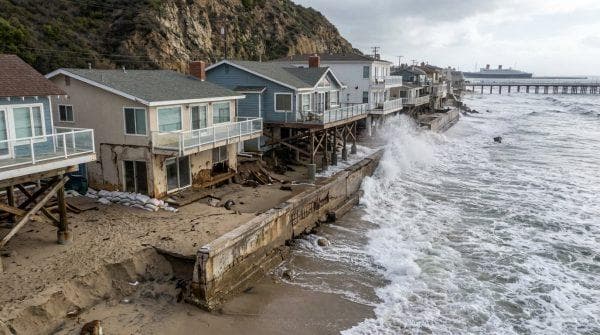









Long Beach homeowners are watching the ocean get dangerously close as the city plans a massive sand rescue
-
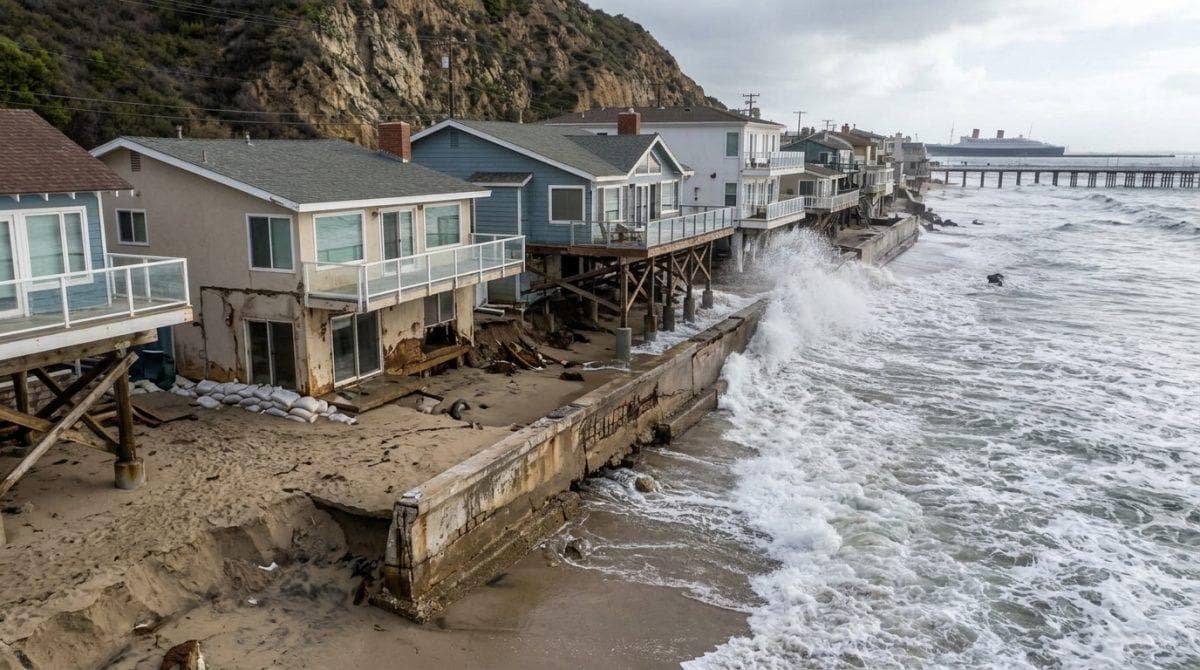
Ocean get dangerously close as aggressive tropical swells from hurricanes Marie, Polo, and Rachel overwhelm an 80 year old breakwater, threatening properties along the Alamitos peninsula.
-
Maritime director Todd Leland and USGS scientist Jonathan Warrick warn that unprecedented summer wave energy has destroyed historic walkways and exposed concrete seawalls.
-
The City Council approved a massive bay dredging initiative to deposit 317,000 cubic yards of sand, expanding shorelines by up to 200 feet to protect local residents.
Long Beach homeowners are watching the ocean get dangerously close as municipal leaders plan a massive sand rescue across the Alamitos peninsula because aggressive tropical swells and severe wave action have destroyed residential structures, walking paths and protective sand berms along the eastern shoreline.
In this context, local authorities clarify that while seasonal storms routinely alter regional geography, this unprecedented loss of protective beach width demands an immediate emergency dredging intervention, demonstrating conclusively that traditional trucking logistics costing over $1 million annually can no longer shield multi million dollar properties against rising sea levels and intense ocean forces.
Coastal erosion threats and structural damage facing Long Beach homeowners
Todd Leland, director of the Long Beach Maritime Bureau, recently told the Los Angeles Times that the crisis unfolding along the eastern tip of the peninsula represents an entirely unprecedented challenge, while powerful tidal surges driven by recent tropical systems have completely overwhelmed an 80 year old breakwater originally built to protect local harbor and naval assets.
Meanwhile, USGS coastal scientist Jonathan Warrick emphasized simultaneously that an exceptionally energetic summer wave climate produced massive sediment displacement, as relentless wave action collapsed private balconies and left historic wooden walkways entirely exposed to direct ocean impacts, proving that ocean get dangerously close to vulnerable properties while Newport Beach declares a separate emergency ahead of the storms.
Ver esta publicación en Instagram
Massive sand replenishment plans and municipal engineering strategies
To combat severe erosion and restore vital protective beach buffers, city administrators intend to execute a comprehensive sand rescue operation, relying strictly on an advanced engineering blueprint designed to stabilize vulnerable shorelines by dredging the bay down to 20 feet and distributing 317,000 cubic yards of sediment across square feet of affected coastal terrain in the city’s largest recovery effort in 30 years.
Furthermore, officials are advancing council approved emergency construction schedules to safeguard local residents, ensuring that expanding beach widths by 100 to 200 feet provides an enduring defense against future storms while the ocean get dangerously close to residential foundations.
Ver esta publicación en Instagram
Essential operational strategies and emergency response milestones where ocean get dangerously close
-
Bay dredging and sediment extraction for Long Beach homeowners: City crews will dredge the bay down to 20 feet to prevent vessels from running aground while harvesting vital sediment, securing 317,000 cubic yards of sand for coastal deployment.
-
Strategic shoreline rebuilding: Workers will distribute heavy sediment across the eastern peninsula to expand the beach width by 100 to 200 feet across square feet of shoreline, rebuilding wide protective berms to absorb incoming wave energy as the ocean get dangerously close.
-
Emergency operational approval: The City Council approved the initiative in August following a municipal report, scheduling construction to begin on a Tuesday while local resident Kellie Canning criticizes past strategies and human error regarding missing offshore reefs.
Ver esta publicación en Instagram -
Long term climate resilience tracking: Environmental agencies will monitor storm impacts and stability, addressing long standing warnings from a 2015 municipal climate resilience study which predicted that standard berms would fail against rising seas despite higher walls.
Loading video...Loading Video
