

WATCH NOW
Watch on the app






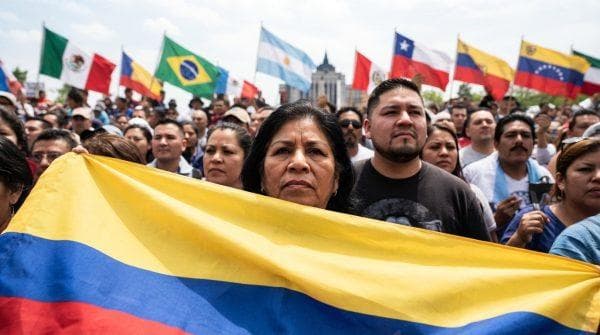







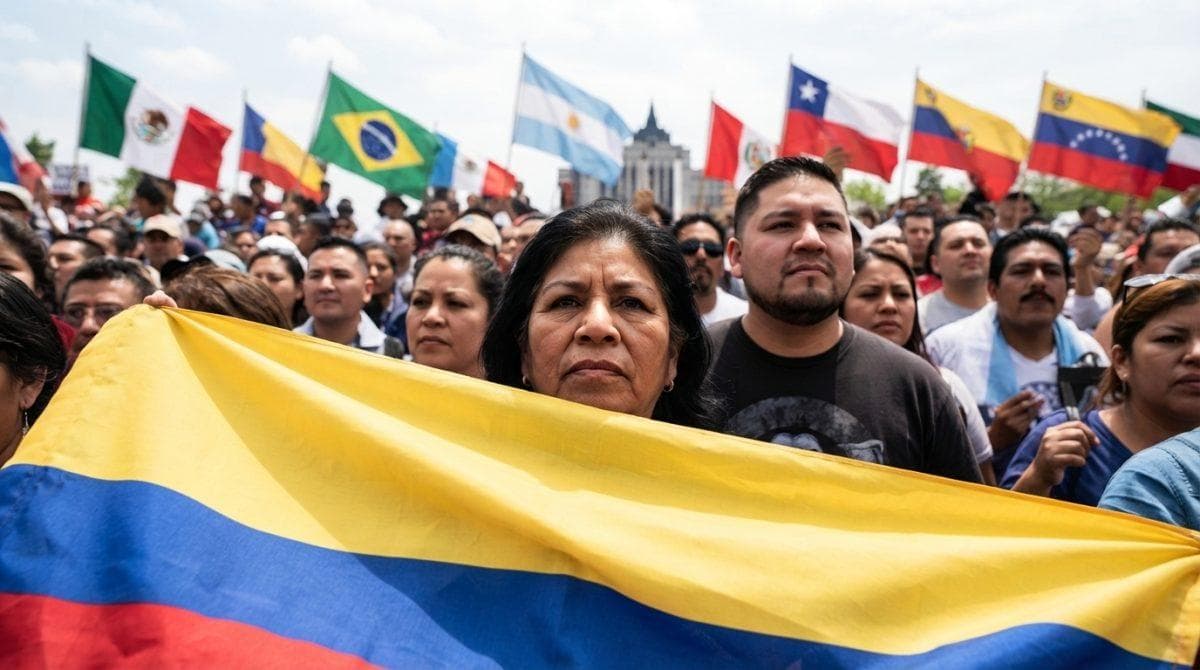
Hispanic or Latino? A new study reveals how most U.S. Hispanics actually identify
-
Latino heritage preferences guide new demographic findings published by the Pew Research Center to highlight how personal identity develops across the United States.
-
Federal datasets estimate the total regional population reached 70,100,000 residents during recent demographic counts managed by the U.S. Census Bureau.
-
Comprehensive research reveals that most community members prioritize specific national roots over broad pan-ethnic umbrella terms.
US Latino and Hispanic populations express their personal identity primarily through specific ancestral roots and national origins rather than standard umbrella terms; consequently, new demographic studies published on September 15, 2025, reveal rich cultural nuances across the United States.
Researchers at the Pew Research Center surveyed 4,923 adults between October 6 and October 16, 2025; furthermore, this comprehensive national assessment highlights how cultural community members define themselves outside of traditional statistical categories while navigating complex societal expectations across modern urban and rural landscapes.
US Latino and Hispanic identity shaped by country of origin
-
53% of surveyed adults utilize specific ancestral references tied directly to family origin countries while discussing personal identity under established Latino heritage preferences.
-
27% prefer pan-ethnic terminology while 18% select American descriptors for everyday self-identification.
Survey responses demonstrate that individuals maintain high fluidity across different social environments; moreover, 84% of participants admit using broad pan ethnic tags on occasion while 80% frequently mention specific family homelands during daily conversations.
Do you identify as Hispanic? 🌎
Hispanics are not a monolith. Many Hispanic people identify as multiracial, with their country of origin, and may not speak Spanish.
#HispanicHeritageMonth https://t.co/grpDyLOoE5
— Pew Research Center (@pewresearch) September 15, 2026
Federal demographic tracking and population numbers
Federal oversight bureaus classify US Latino and Hispanic regional populations using combined official definitions; therefore, statistical agencies group diverse ancestral communities under broad administrative umbrellas regardless of personal preferences.
The total population reached 70,100,000 residents according to recent estimates published by the U.S. Census Bureau; additionally, official definitions encompass individuals originating from Mexico, Puerto Rico, Cuba and multiple Central or South American nations under a recognized Latino administrative classification while the Office of Management and Budget utilizes standard federal terminology to measure economic growth and civic participation trends nationwide.
Cultural diversity and individual expressions focusing on Latino heritage preferences
Scholarly analysts explain that institutional investigators use terms interchangeably during formal research; moreover, community members seamlessly combine multiple terms depending on conversational contexts, generational gaps and personal backgrounds while navigating bilingual spaces that continuously shape modern social dynamics.
Specialized investigators note that cultural identity thrives through diverse ancestral connections; thus, modern demographic reports provide essential insights into how millions navigate daily social interactions while celebrating unique cultural roots categorized broadly as US Latino and Hispanic across every corner of the country.
