

WATCH NOW
Watch on the app















Korean skincare technology is changing how people fight aging acne and skin damage without harsh treatments
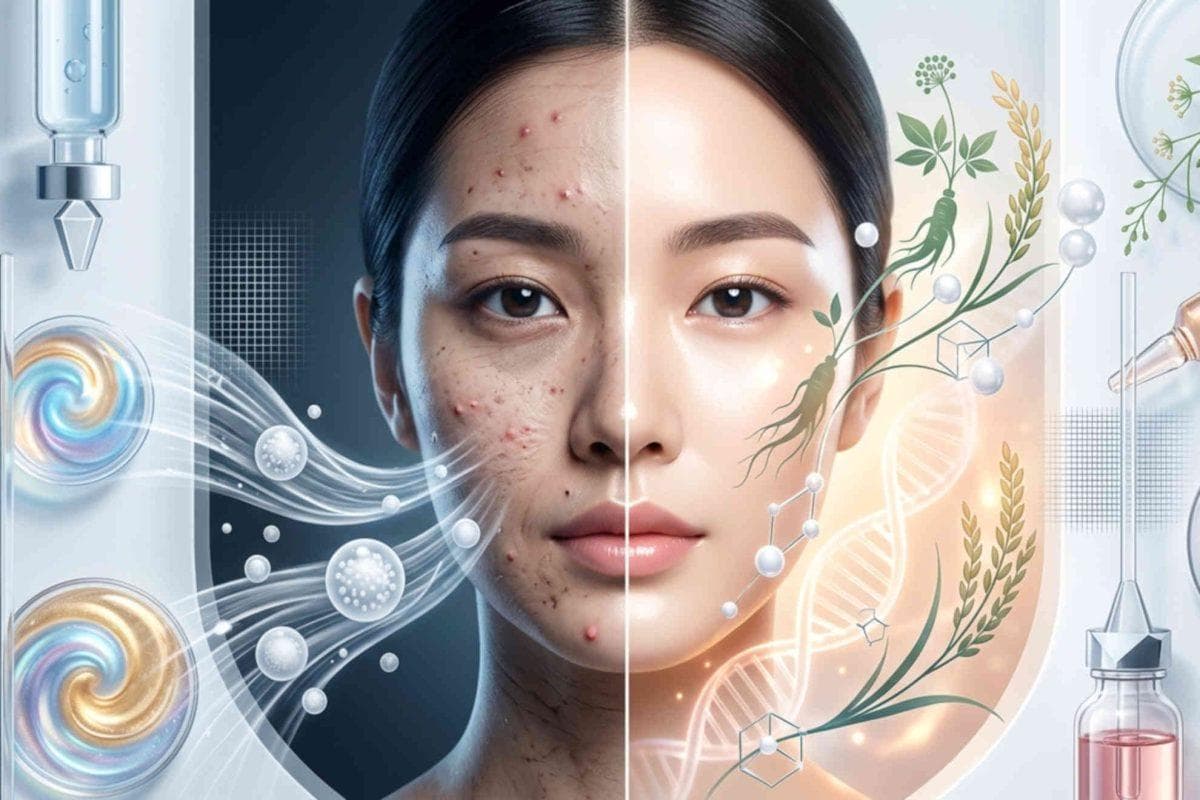
- The success of Korean skincare technology lies in using advanced microstructures and spicules that optimize nutrient absorption.
- Various laboratories in The United States adopt these gradual encapsulation systems to combat common imperfections like acne, expression lines, and aging with different treatments.
- The implementation of microfiltration and recyclable packaging proves that high scientific efficacy and ecological sustainability can advance hand in hand.
The global cosmetics industry is experiencing an absolute transformation due to the rise of Korean skincare technology, a scientific approach that redefines the way we combat aging and the aftermath of acne without resorting to abrasive chemical procedures. Through the implementation of advanced microfiltration systems and the use of cellular messengers known as exosomes, Asian laboratories managed to design intelligent formulas that accompany the biological cycles of skin tissue instead of forcing them; consequently, consumers achieve a deep repair that strengthens the dermal barrier against environmental damage.
For those who pay special attention to skin care, this advancement represents an ideal alternative to treat skin prone to hyperpigmentation and urban wear, especially since traditional products often contain chemical additives that trigger severe irritations. The “Korean glow” phenomenon consolidates in this way as a benchmark for patient innovation, proving that molecular science can offer powerful and healthy long-term results.
Deep absorption systems and cellular regeneration
One of the greatest innovations of Korean skincare technology or this scientific current is the incorporation of cosmetic microneedles or spicules, which open microscopic channels in the skin surface to guarantee that active ingredients penetrate to the deepest layers without causing pain or structural damage. In turn, these naturally derived components harmoniously stimulate cellular renewal, managing to minimize the size of open pores and progressively smooth the expression lines that appear with the passage of years, in other words, the signs of aging.
In The United States, where interest in biotechnology applied to aesthetics is growing exponentially among young people, the encapsulation of growth factors emerges as the definitive solution to unify face tone. By protecting the stability of sensitive nutrients through microcapsules, the products ensure a dosed release of their properties, completely eliminating the need to incorporate synthetic preservatives or artificial additives in personal care routines and treatments.
Sustainability and personalization in the modern era
In this sense, the evolution of the sector not only focuses on the medical effectiveness of treatments but also responds to a strict green philosophy that prioritizes the use of vegan ingredients and biodegradable packaging to reduce environmental impact. In this way, the challenges involve developing one hundred percent natural cosmetics thanks to controlled production environments and clean manufacturing processes that prevent the oxidation of botanical extracts.
It remains evident that the ability to adapt these formulas to the specific needs of each user, relying on digital data analysis, grants Korean skincare technology an unbeatable competitive advantage in the international market. While consumers demand greater transparency and purity in what they apply to their faces, this scientific methodology establishes itself as the standard of the future, proving that cellular health and respect for nature are perfectly compatible.
