

WATCH NOW
Watch on the app












California braces for massive 1,000-mile-wide Kelvin wave that could push sea levels a foot higher
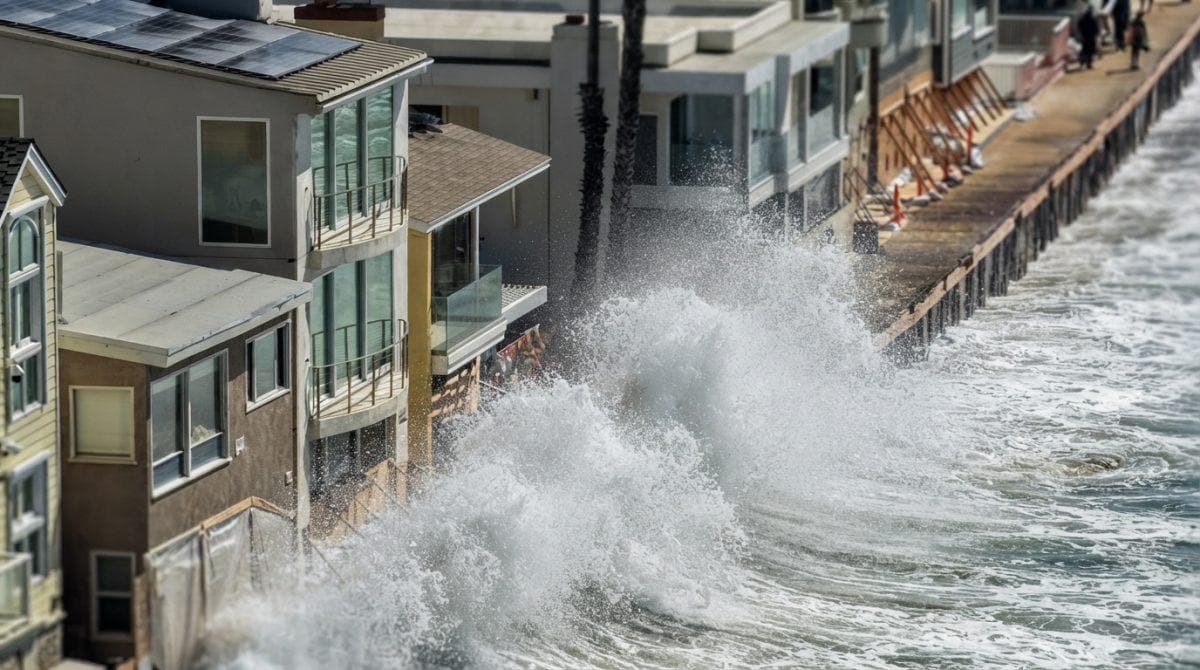
- 1.000 mile wide wave surges northward, threatening the western coastline with a temporary spike in ocean water levels.
-
The arrival of this massive oceanic event heightens flood risks during high tides and puts local communities on high alert.
-
Observers closely analyze coastal changes to understand the direct consequences facing the American shoreline.
A Kelvin wave in California represents a fascinating and powerful natural event that will test the resilience of the entire western coast, as a massive pulse of warm water pushes up from the deep Pacific Ocean to disrupt normal tides and surprise residents with an unexpected rise that could lift sea levels by up to 1 ft in vulnerable areas, forcing authorities to maintain strict vigilance.
Meanwhile, this unusual oceanic movement acts like a gigantic invisible wave that avoids crashing noisily onto the sand, displacing billions of gallons of warm water over great distances and forcing researchers at NASA’s Jet Propulsion Laboratory to closely track its path, after it passed through South America in August, a crucial turning point, as the current continued moving toward the U.S. coast, driven by strong weather patterns.
Ver esta publicación en Instagram
Impact of the Kelvin wave in california on sea levels and coastal safety
Additionally, NOAA specialists explain that when coastal winds weaken, the accumulated warm water previously held in place begins releasing abruptly toward the shore, transforming a 1,000 mile wide wave into a tangible threat for California ports. Consequently, this dynamic ocean event pushes massive volumes of water forward, causing an extra 1 ft of water to drive floods further inland, worsen beach erosion and place local roads, homes and businesses at greater risk.
Furthermore, experts point out that this temporary rise compounds the historical sea level elevation driven by global climate change, creating a critical scenario where sea levels already sit 8 in higher than a century ago, although specialists warn that the lack of direct visibility makes it harder for the public to gauge the true risk, keeping erosion effects climbing day by day.
Ver esta publicación en Instagram
Vulnerability factors and local prevention measures
-
Local advisories: Paying close attention to tidal forecasts, flood warnings, and evacuation orders allows residents to avoid hazardous travel before waters reach their peak, shielding those living near a 1,000 mile wide wave.
-
Urban infrastructure: Better emergency planning and stricter building standards help drastically reduce material damages across the coastal strip during a kelvin wave in california.
-
Climate actions: Efforts aimed at protecting the environment prove fundamental for mitigating future oceanic challenges affecting 100% of vulnerable coastal zones.
-
Drainage systems: Municipal storm drains experience backup issues whenever high tides coincide with the arrival of warm ocean surges.
-
Emergency agencies: Civil protection departments constantly update response protocols to issue early warnings against potential overflows throughout the winter season.
Consequently, local administrations intensify public awareness programs so vulnerable residents closely follow weather bulletins and reinforce their homes, while experts recommend reviewing community contingency plans to reduce economic damages triggered by the combination of extreme tides and adverse weather events region wide.
What is a Kelvin wave?
A Kelvin wave in California represents a large-scale oceanographic and atmospheric phenomenon consisting of a warm-water pulse or disturbance that travels across major ocean basins, typically guided by the equator or continental coastlines. Unlike ordinary beach waves, this event does not involve a water mass rising and crashing noisily against the sand, but rather functions as a massive and silent subsurface undulation spanning hundreds or thousands of miles in width.
-
Horizontal movement: This dynamic 1,000 mile wide wave moves horizontally from west to east along the equator driven by wind shifts, turning northward once it reaches the coastline and temporarily lifting sea levels by up to 1 ft.
-
Deep warm water transport: The current carries massive volumes of warm water across the Pacific Ocean, deepening subsurface layers and altering normal tidal patterns.
-
Coastal flooding risks: The arrival of this thermal pulse significantly aggravates coastal flooding risks and erosion during high tides and severe winter storms.
-
Climate cycle connection: Strong warm pulses across the basin often drive broader regional climate shifts, transforming ocean temperatures and seasonal weather.
1,000 mile wide wave and winter weather outlooks
Particularly, complex conditions await this winter based on predictions from coastal observers, who explain that a 1,000 mile wide wave operates differently than typical beach waves by detailing how they neither crash nor become visible in passing, while also warning that very high tides expected around Thanksgiving and Christmas will combine with frequent storms to generate severe coastal flooding.
Equally important, specialists emphasize that understanding the magnitude of these water shifts remains fundamental for shaping long-term public policies protecting towns and marine ecosystems alike, ensuring rigorous tracking of each oceanic event anticipates nature’s challenges to coastal regions while reaffirming safety’s vital role against a kelvin wave in California.
