

WATCH NOW
Watch on the app












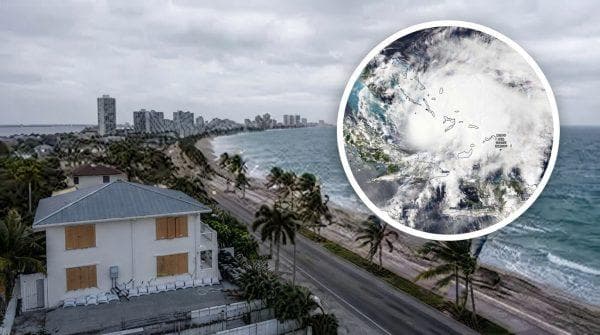

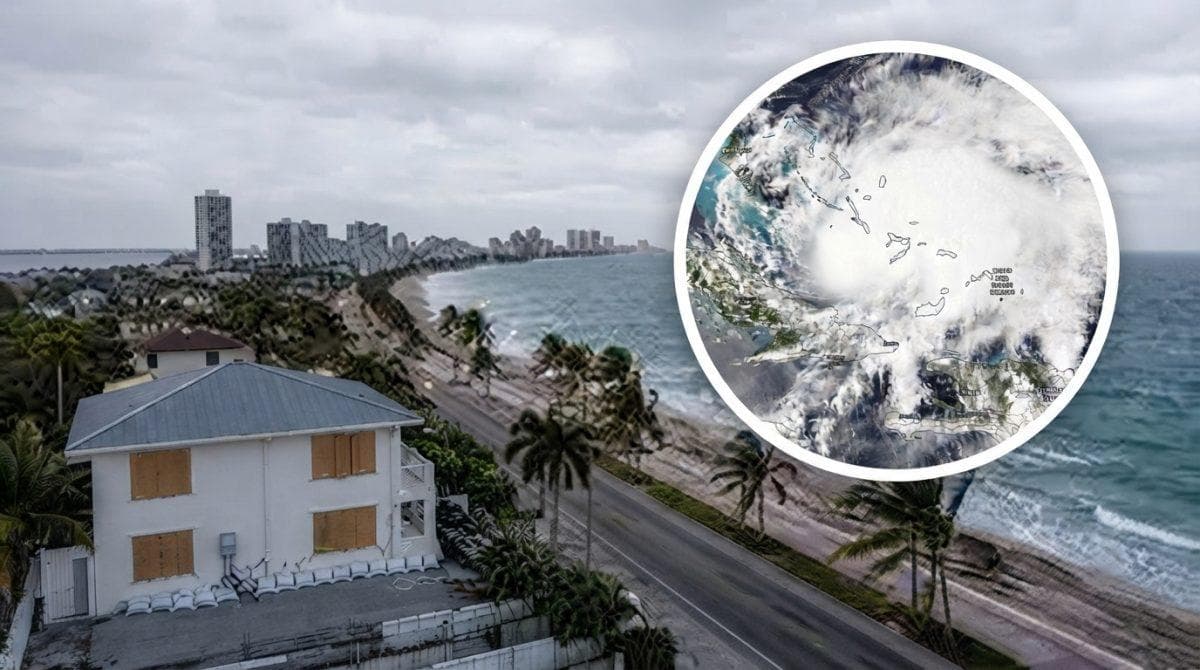
Hurricane Isaias could hit Florida as a Category 3 storm but where will it strike and how is the state preparing?
-
Category 3 storm intensity warnings drive robust emergency operations across Florida, where state authorities deploy over 12,000 personnel to protect vulnerable coastal communities.
-
Governor Ron DeSantis confirms the strategic deployment of specialized troops, public utility crews and high water rescue assets across threatened regions to secure maximum community protection.
-
State logistics centers secure massive reserves of fuel, heavy machinery and emergency drinking water to support continuous relief efforts throughout the weekend.
The Florida state government mobilizes emergency resources this Thursday ahead of the imminent arrival of Hurricane Isaias, deploying over 12,000 officers and specialized teams to protect the most vulnerable coastal areas across the territory; furthermore, local authorities coordinate a massive logistical deployment that includes fuel reserves, power generators and tactical personnel to manage any contingencies driven by projected high speed winds.
Meteorological forecasts indicate that the natural phenomenon could make landfall during Friday night or early Saturday between Alabama and Florida with destructive intensity, forcing Governor Ron DeSantis to declare a state of emergency across 25 counties to safeguard resident lives; likewise, the National Hurricane Center maintains close surveillance over the cyclone path to issue timely warnings across regions expecting heavy rainfall and rising river levels.
Operational deployment and institutional preparation regarding regional safety
State administrators coordinate the logistical distribution of essential supplies across designated operational bases, ensuring a continuous supply of drinking water and aviation fuel for rescue aircraft; meanwhile, units from the National Guard and the Florida Highway Patrol establish advanced checkpoints to coordinate preventive evacuations and secure unhindered transit for emergency vehicles along major highways.
Safety protocols also include establishing temporary shelters equipped to receive families displaced by urban flooding, while relief agencies monitor sustained maximum wind speeds offshore; similarly, state leaders maintain constant communication with neighboring counties to unify rapid response criteria and minimize the severe socioeconomic impact that a Category 3 storm could inflict upon the southeastern region.
Interagency coordination and logistical resources across risk zones
-
Government agencies mobilize 5,000 National Guard troops and over 6,000 public utility workers to secure high vulnerability areas during the hurricane.
-
Transportation departments deploy 900 FDOT members, 300 FHP troopers, and 175 State Guard personnel to address blocked roadways immediately.
-
State strategic reserves supporting Hurricane Isaias relief efforts guarantee the availability of 500,000 gallons of gasoline, 1,000,000 gallons of diesel, 35,000 gallons of aviation fuel and 1.1 million bottles of water.
-
Operational brigades integrate over 100 ambulances, 20 marine vessels, aircraft, 260 heavy machinery units, 10 hovercrafts, 18 small watercraft, 6 large vessels, 4 swamp buggies, 9 all terrain vehicles, 75 four by four vehicles, and over 1,000 power generators.
Social assistance protocols prioritize isolated communities lacking adequate infrastructure to withstand high magnitude hurricane winds and health brigades distribute basic medical supplies alongside supervising local clinic operations to prevent sudden public health emergencies following the impact.
Ver esta publicación en Instagram
Preventive measures and active alerts concerning a Category 3 storm
The National Hurricane Center positions the storm 185 miles north of Progreso in Mexico and 355 miles south of the Mississippi River, registering maximum sustained winds of 85 miles per hour; additionally, Alabama Governor Kay Ivey declares a state of emergency across 40 counties within her jurisdiction, while mandatory evacuation orders take effect throughout the Panhandle region in northwestern Florida.
Official meteorological projections anticipate severe weekend impacts across Florida, Alabama, Mississippi, Georgia, Louisiana, Tennessee and the Carolinas, where regional authorities expect sudden urban flooding and isolated river overflows; crisis management committees urge the public to follow official directives strictly, minimizing any potential risks tied to the destructive progression of Hurricane Isaias.
Ver esta publicación en Instagram
