

WATCH NOW
Watch on the app





From Día de Muertos to chosen family: How LGBTQ Latinos keep tradition alive
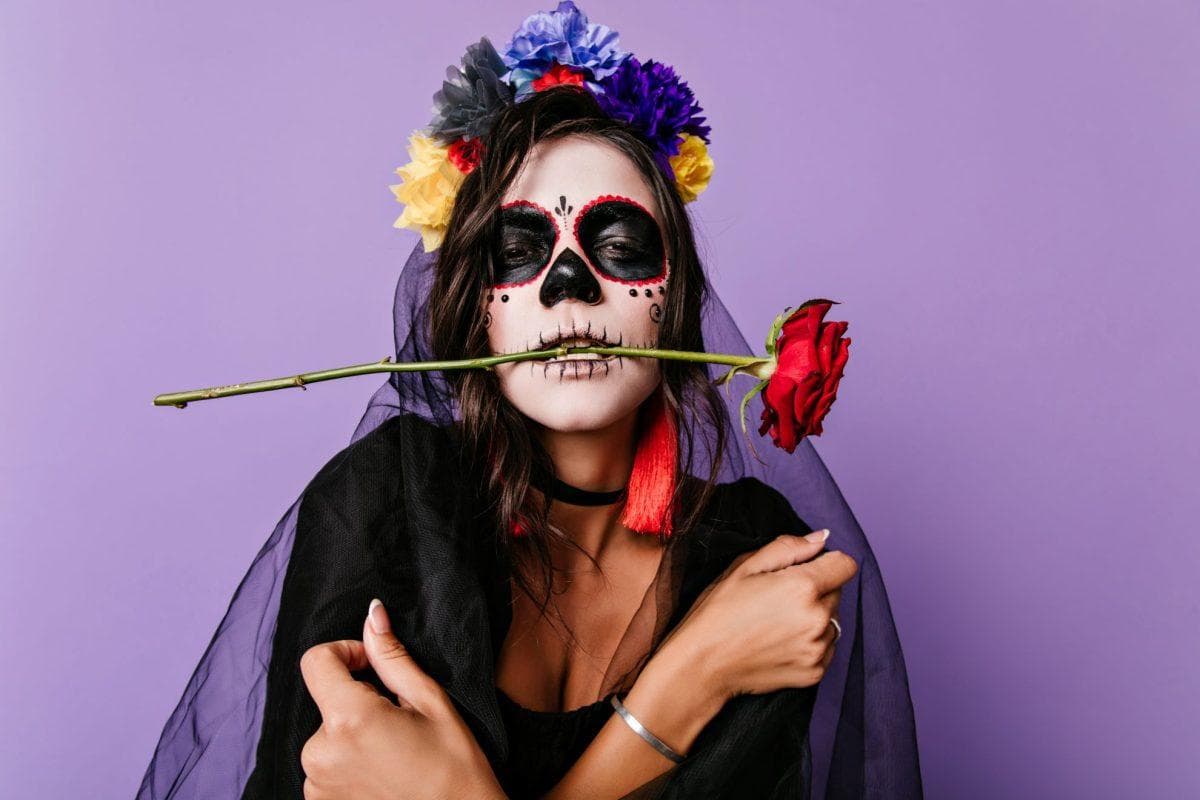
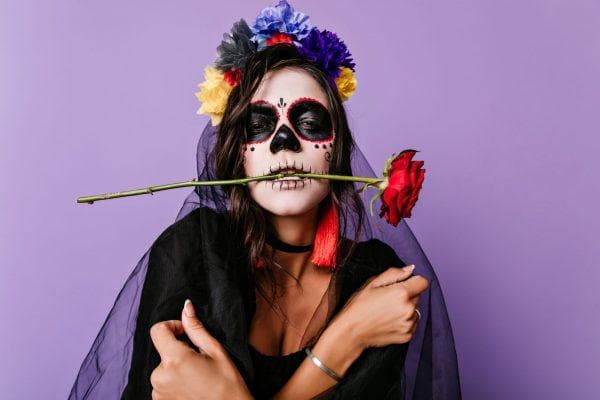
A photograph of a grandmother, a plate of someone’s favorite food, marigolds, and maybe a song that brings back a thousand memories. Every Día de los Muertos, families across Mexico and the United States turn ordinary tables into something deeply personal. But not every family looks the same, and neither does every altar.
For LGBTQ Latinos, the tradition can bring together the people who raised them, the friends who became family, and the queer voices who helped shape their communities. Some honor relatives who embraced them. Others remember friends, mentors, or loved ones whose stories deserve to be told. And sometimes, the most meaningful addition to an ofrenda is a photograph that might have been missing a generation ago.
A tradition about remembering
Día de los Muertos has deep roots in Mexico’s Indigenous traditions. Celebrated mainly on November 1 and 2, it brings generations together through rituals that have survived for centuries. But as Latino communities have grown across the United States, the celebration has also found new expressions.
In cities like Los Angeles and Chicago, LGBTQ Latino communities have brought their own experiences into the tradition. Public altars, cultural festivals, and tributes to queer activists are becoming ways to recognize people whose contributions haven’t always appeared in traditional family histories.
Queer stories on the ofrenda
In Los Angeles, the Latino Equality Alliance has brought that idea into public view through its Calavera LGBTQ Festival. The annual celebration combines Día de los Muertos traditions with art, music, and community remembrance.
The 2026 gathering took place on October 24 in Boyle Heights, bringing LGBTQ and Latino communities together around a tradition many grew up celebrating at home.
The connection goes beyond one event. In Chicago, LGBTQ Latino students have also created ofrendas honoring queer figures such as activist Sylvia Rivera and Mexican LGBTQ rights pioneer Nancy Cárdenas. Their photographs sit alongside other memories, giving younger generations a chance to learn about people who helped open doors before them.
It’s a small but powerful shift. An altar can honor a beloved grandfather and a queer activist. A childhood friend and a family elder. Nobody has to compete for a place in the story.
Family traditions, with a few new faces
Of course, chosen family isn’t unique to the LGBTQ community. But for people who have found friendship, acceptance, or guidance outside traditional family structures, those relationships can carry special meaning.
And Día de los Muertos offers a familiar way to recognize them. Friends can gather to prepare an altar, share stories, cook a favorite recipe, or remember someone through the music they loved.
Not every LGBTQ Latino has the same experience with family, and not everyone celebrates the holiday. Some have supportive relatives who have always made room for them. Others have built close relationships elsewhere. Both experiences belong in the conversation.
Maybe the most beautiful thing about an ofrenda is how personal it can be. There’s room for old family photographs, handwritten notes, and the people whose names still come up whenever friends get together.
