

WATCH NOW
Watch on the app












FEMA’s national emergency alert test is coming, but why will some phones stay silent?
-
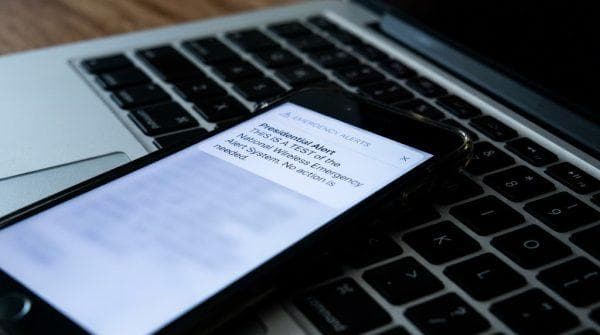
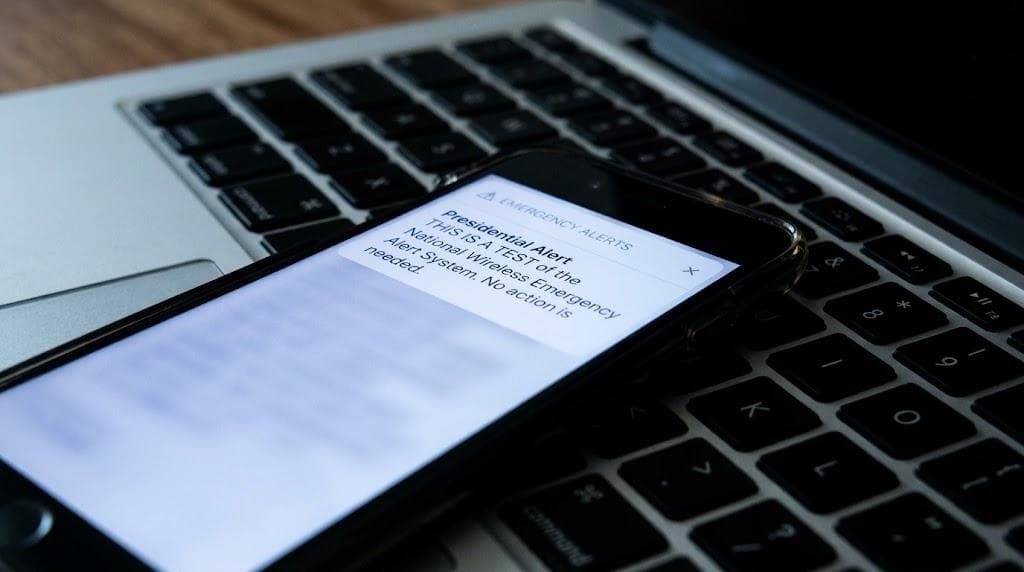
Nationwide broadcast warning system testing will take place on November 17, 2026, across television and radio networks without sending alerts to mobile phones.
-
Federal agencies confirm a one-minute broadcast interruption at 14:20 ET to verify infrastructure readiness for potential national emergencies.
-
Mobile devices will stay silent during the drill because FEMA evaluates broadcast components rather than wireless communication channels.
The Federal Emergency Management Agency scheduled a test of FEMA’s national emergency alert for Tuesday, Nov 17, 2026, at 14:20 ET, interrupting television and radio programming nationwide while mobile devices remain silent; consequently, federal officials explicitly clarified that this exercise does not indicate an active war or national security threat and broadcast networks will transmit characteristic EAS tones for approximately 1 min before returning to normal programming as federal coordinators broadcast test audio signals in both English and Spanish through a nationwide broadcast warning system to assess infrastructure response capabilities without requiring any public action.
Meanwhile, the Federal Communications Commission designed this specific exercise to focus exclusively on legacy broadcast vectors rather than cellular technology, meaning mobile phones will receive no test notifications or audible tones, unlike the previous national test conducted in 2023; therefore, residents need not take action or alter daily routines when hearing emergency signals on television or radio broadcasts, whereas real-time Wireless Emergency Alerts will remain fully operational to deliver immediate public safety warnings if actual disaster threats emerge during the test window.
FEMA’s national emergency alert focuses on broadcast infrastructure
FEMA’s protocol guidelines specify that the November drill will use the Emergency Alert System to test satellite, cable and over-the-air communication links, ensuring that federal authorities can reach households through a nationwide broadcast alert system; Consequently, participating television networks, radio stations and video providers will broadcast the alert for approximately one minute, while also displaying technical compliance messages, as federal regulations require that the national system be tested at least once every three years so that technical teams can identify operational bottlenecks, evaluate interagency coordination and correct technical issues before a real crisis occurs.
Subsequently, broadcast operators will air bilingual test messages referencing a technical coverage window between 14:20 and 14:50 ET, although actual programming interruptions will last only about 1 min before regular broadcasts resume immediately; moreover, engineering teams will collect technical performance metrics across all participating networks to ensure proper message relay, while regulatory commissions established Thursday, Dec 3, 2026, as an alternate backup date if severe weather events or major national emergencies force a postponement of the initial November schedule.
Nationwide broadcast warning system components and operational scope
-
Nationwide broadcast warning system testing will involve television, radio, cable, and satellite systems at 14:20 ET on Tuesday, Nov 17, 2026, lasting approximately 1 min with characteristic EAS tones.
-
FEMA’s national emergency alert test transmission will exclude Wireless Emergency Alerts, unlike the 2023 national drill, ensuring mobile phones stay completely silent.
-
Official test messages will cite a technical coverage window between 14:20 and 14:50 ET without extending actual channel disruptions beyond 1 min.
-
Real-time Wireless Emergency Alerts for tornadoes, floods, or severe weather will remain active during the broadcast test.
-
Bilingual messages in English and Spanish will reach diverse viewing and listening audiences across all US jurisdictions.
-
Technical evaluations will help engineers maintain long-term system reliability to protect lives during emergency situations.
Consequently, federal administrators designed this exercise around strict technical parameters to isolate broadcast network responses from wireless mobile carrier channels; furthermore, evaluating cable headends and satellite downlinks provides critical operational data regarding emergency coverage distribution, as excluding mobile devices simplifies the testing protocol while reducing consumer disruption to allow telecommunications engineers to focus on broadcast signal integrity and system compliance across participating media platforms.
Alternative testing schedules and readiness status
On the other hand, nationwide broadcast warning system operations require continuous maintenance of public warning systems to protect communities during catastrophic events, making routine testing an essential operational priority for national resilience; for this reason, technical teams evaluate signal delivery channels under realistic operational conditions to ensure rapid message transmission that helps protect lives during emergency events, while coordinating public safety protocols with local, state, tribal, and territorial agencies strengthens emergency preparedness frameworks to ensure that critical safety warnings reach households effectively through authorized broadcast channels.
Ahead of the drill, public safety officials remind residents that mobile devices will continue receiving genuine threat notifications if severe weather or public safety hazards arise during the testing window; nevertheless, emergency agencies remind citizens that no preparation or schedule modifications are needed when hearing the test alert on television or radio, as FEMA’s national emergency alert will execute its 1-min broadcast evaluation on Nov 17 while keeping mobile networks clear and maintaining high operational standards under active federal oversight.
