

WATCH NOW
Watch on the app













Florida’s strangest ocean experiment started with 2 million tires and turned into a 50 year headache
-
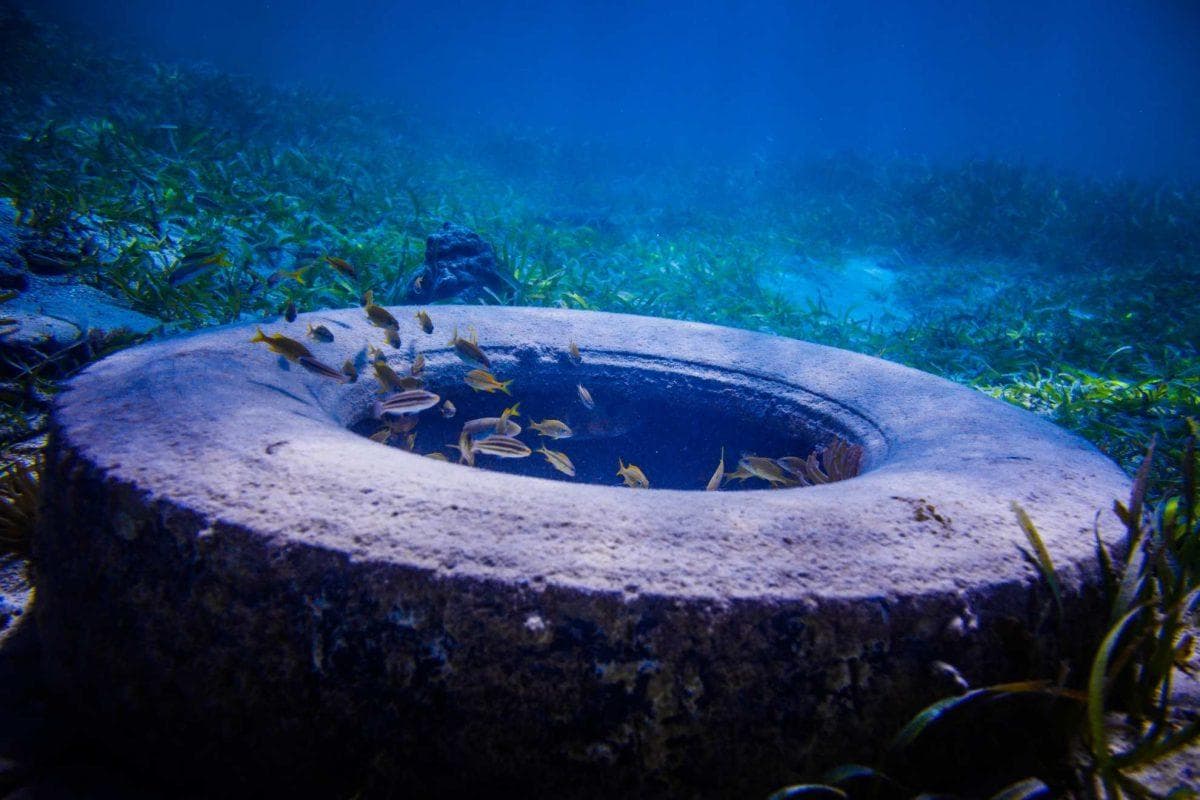
During the 1970s, around two million tires were submerged near Fort Lauderdale to create an artificial reef.
-
Saltwater corrosion destroyed the steel bindings, letting strong ocean currents scatter loose tires across the seabed.
-
Environmental agencies have recovered over 535,000 tires while investing millions in ongoing cleanup operations.
During the nineteen seventies, state officials in Florida approved a massive environmental project to build the world largest artificial reef. Organizers submerged nearly two million recycled tires along the coastline of Fort Lauderdale; at the time, supporters believed the plan would solve waste management problems on land while providing a new habitat for local marine species across the Atlantic ocean floor.
Ver esta publicación en Instagram
Structural failure and movement across the seabed
Engineers used steel straps to bind the rubber tires together before placing them on the ocean floor; however they failed to account for the corrosive impact of saltwater on metal fasteners. Within a short period, the steel bindings disintegrated completely, leaving millions of tires exposed to powerful marine currents and sbsequent tropical storms and hurricanes pushed the loose rubber structures across large areas of the seabed.
Severe damage to natural coral habitats
The continuous movement of loose tires created an environmental crisis for the surrounding ecosystem; driven by strong wave action, the heavy rubber tires rolled directly into nearby natural coral reefs. This physical friction battered and crushed delicate coral formations that required decades to grow naturally, a project intended to foster marine life ultimately damaged existing ecosystems along the Florida coast.
Ver esta publicación en Instagram
Complex recovery and coral rescue operations
Retrieving the submerged tires requires careful execution by professional divers and marine biologists: extraction teams must inspect each tire individually because many remain buried in sediment or support living organisms. Environmental workers have successfully salvaged over seven hundred coral colonies from the rubber surfaces, carefully transplanting them to protected reefs before pulling the tires out of the water.
Multi million dollar investments for long term restoration
Five decades after the initial deployment, the Florida Department of Environmental Protection continues to manage active restoration efforts at the site; official records show that workers retrieved more than five hundred thirty five thousand tires between twenty fifteen and early twenty twenty six. To address the remaining material on the ocean floor, authorities approved a new five million dollar contract to extend recovery operations through twenty thirty two.
