

WATCH NOW
Watch on the app







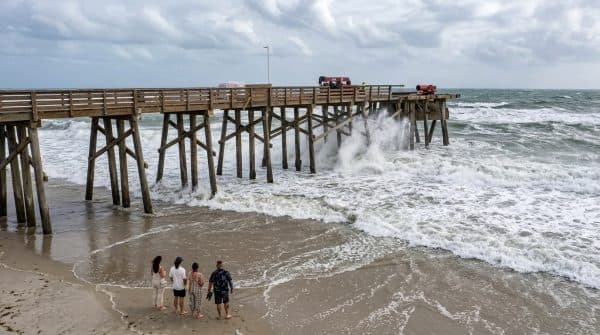







Florida’s Atlantic beaches face dangerous waves as officials warn swimmers to stay out of the water
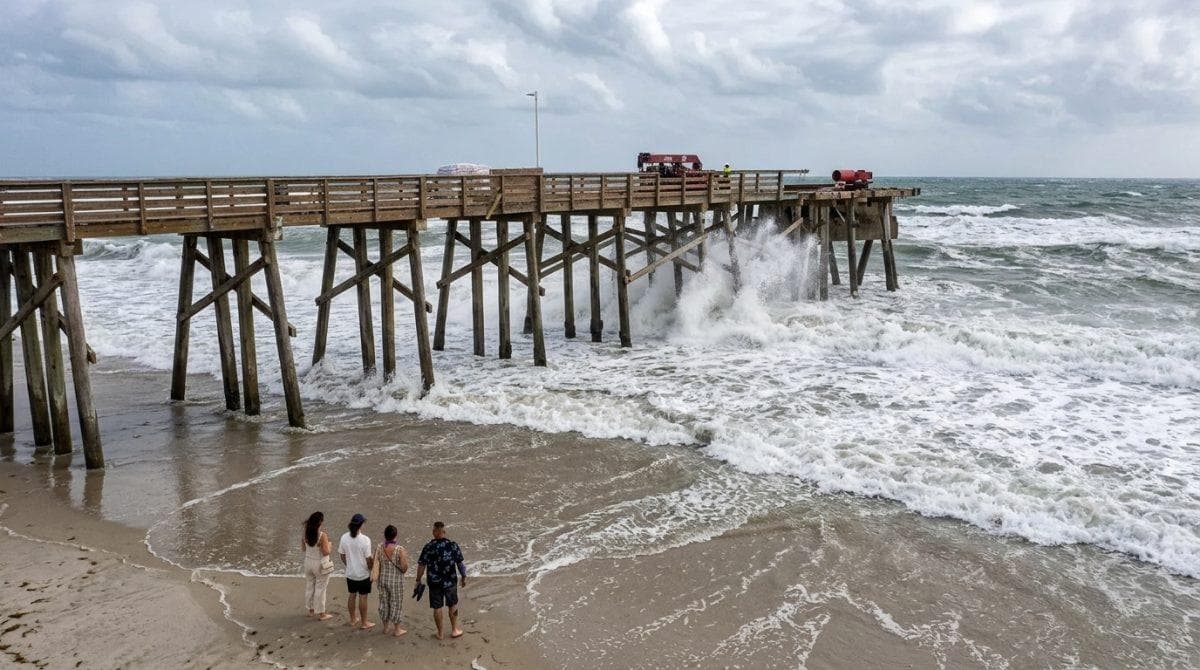
-
Massive waves reaching heights between 7 and 12 feet trigger official coastal safety warnings across key Atlantic shoreline destinations this week.
-
Marine safety personnel implement high risk rip current protocols through Thursday night across major regional access points to protect local residents and tourists.
-
Sustained northeast winds reaching up to 28 Mph prompt special navigational advisories for small craft operators between Jupiter Inlet and Ocean Reef while threatening coastal flooding.
Florida beaches registered high risk marine advisories after health and coastal safety authorities confirmed that hazardous ocean conditions transformed popular shorelines into dangerous territory through sudden surf increases up to 12 feet high, according to data published by the National Weather Service, which proves that sustained northeast winds blowing up to 28 Mph and intense rip currents create severe hazards for swimmers and vessel operators across Palm Beach, Broward and Miami-Dade counties.
Concurrently, tracking reports published by the National Hurricane Center confirm that disturbance AL93, a non-tropical low pressure system located off North Carolina with a 40% chance of tropical development, contributes directly to this adverse maritime pattern while moving into the open Atlantic, a key factor explaining why local authorities urge strict caution along the seaboard despite the absence of direct cyclone threats to the region.
Gusty winds and Huge swell on Palm Beach Island today! This sticks around all week and weekend too. Tides will be extra high along with some beach erosion with a lot of sand moving around. High surf advisory and small craft advisory much of the week. https://t.co/0SYmtnMb5w
— James Wieland 🏄🏻♂️ (@SurfnWeatherman) October 19, 2026
Florida beaches face severe swell warnings and high waves
Statistical analysis conducted by meteorologists shows that Palm Beach County faces severe swell warnings, as massive waves forecasting between 7 and 12 feet pose severe dangers to coastal visitors; furthermore, official assessments demonstrate that while disturbance AL93 remains far from local shores, its interaction with regional wind patterns maintains unstable sea conditions across the entire Atlantic coast.
On the other hand, specialized reports indicate that Broward County remains under an official advisory for surf measuring between 6 and 8 feet high, while Miami-Dade County shares a high risk alert for powerful rip currents extending through Thursday night; likewise, weather specialists emphasize that these narrow currents flow rapidly toward open waters, sustained by persistent weather dynamics that can easily overwhelm experienced swimmers even under clear skies.
Administrative documentation procedures for families
-
Florida beaches safety and lifeguard monitoring: Safety and rescue facilities advise beachgoers to swim exclusively within monitored zones, an essential precautionary step backed by safety directives requiring visitors to follow rescue crew signs and flags.
-
Escaping powerful rip current flows: Swimmers trapped in strong channels must avoid swimming directly against the current to prevent physical exhaustion, focusing instead on swimming parallel to the shoreline before attempting to return to land or calling for emergency assistance.
-
Securing small vessels during massive waves: Operators navigating small craft between Jupiter Inlet and Ocean Reef should remain in port, ensuring complete protection against strong wind gusts reaching up to 28 Mph.
-
Monitoring coastal drainage and tidal flooding: Sustained onshore winds impede urban drainage near low lying zones during high tide cycles, making constant weather vigilance essential for communities during adverse maritime events.
Marine navigation impacts, tidal flooding potential, and massive waves
The force of persistent northeast winds blowing between 23 and 28 Mph injects severe volatility into local waterways, as massive waves force emergency personnel to extend warnings across Biscayne Bay and Lake Okeechobee; consequently, inexperienced vessel operators must suspend maritime navigation until regional water conditions stabilize.
Beyond direct hazards, this prolonged wind flow increases the likelihood of minor to moderate tidal flooding along vulnerable coastal sectors, confirming that marine systems dictate daily activity in low lying areas; therefore, local emergency management teams maintain active surveillance over all public shoreline access points, ensuring comprehensive protection across Florida beaches.
Ver esta publicación en Instagram
