

WATCH NOW
Watch on the app















Canada tariffs hit 50 percent the household items that may cost more in the US
-
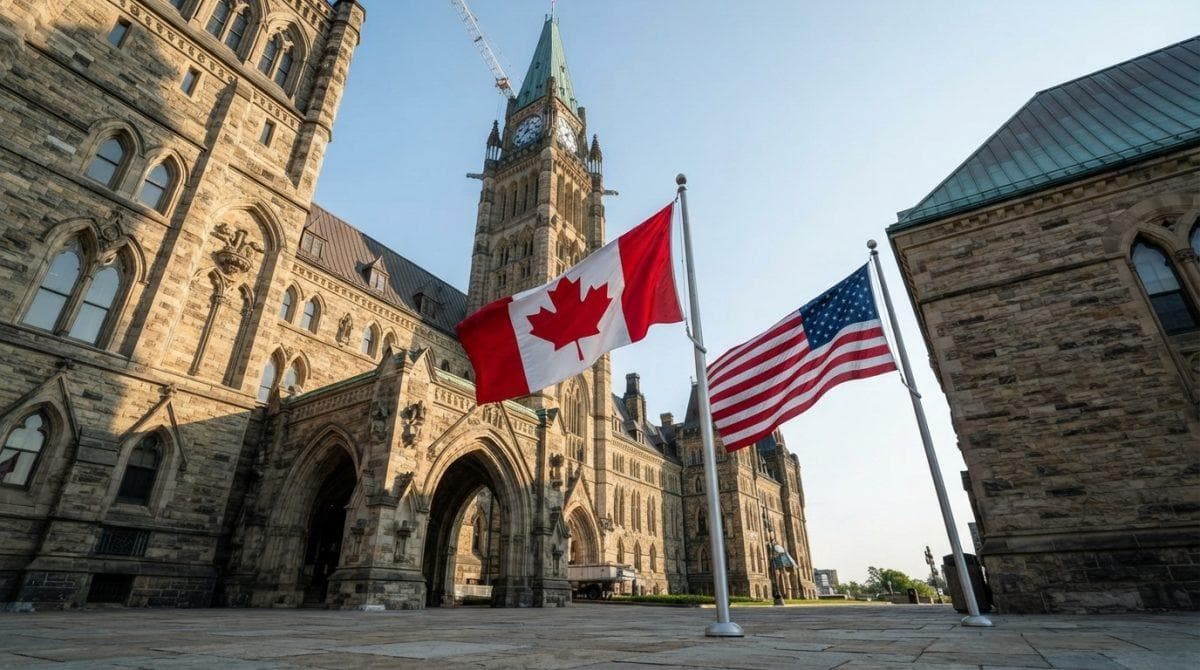
US import duties increase consumer costs for household goods after the United States implemented a 50% import levy on September 2026.
-
Canada tariffs target mattresses, furniture, and lamps from Canada under Section 338, altering supply chain dynamics for households and retailers.
-
Buyers must verify item origins and request written price guarantees to avoid unexpected expenses during ongoing trade tensions.
Canada tariffs represent a significant financial challenge for individuals seeking home furnishings and household goods across the United States, allowing consumers to navigate sudden price adjustments directly linked to recent trade measures across North America; moreover, these economic policies feature imported items like mattresses, furniture and lamps, creating unique challenges for retail shoppers during September.
The White House oversees these scheduled duties under Section 338 of the Tariff Act, establishing precise enforcement frameworks to manage bilateral commerce; subsequently, acquiring household items through this mechanism requires careful planning regarding immediate financial settlements, official PwC evaluations, and strict logistical timelines tied to incoming US import duties.
Understanding the operational dynamics of Canada tariffs
Prosecuting commercial imports requires importers to settle additional ad valorem duties entirely at ports of entry, eliminating the possibility of tax exemptions for goods arriving after the midnight deadline on September 15, 2026; furthermore, purchasing agents face strict market realities because the 50% levy applies directly to declared import values rather than automatically inflating final retail price tags by half.
Businesses manage these extra costs through diverse strategies such as absorbing expenses, renegotiating supplier contracts under USMCA provisions or passing fractions of the burden onto everyday shoppers; meanwhile, families planning home renovations cannot rely on static price quotes because items in transit frequently encounter fluctuating cost structures before reaching local storefronts, demanding meticulous administrative awareness.
Practical recommendations and structured purchasing guidelines
-
Compare prices and quotations before acquiring mattresses, furniture, lamps, or recreational equipment that may originate from Canada, confirming exact manufacturing origins because a brand sold domestically is not always fabricated locally.
-
Request final prices in writing if orders will be delivered, reviewing adjustment clauses in remodeling contracts or wholesale agreements while avoiding panic buying, since US import duties do not guarantee universal price hikes.
Strategic schedules and locations for US import duties compliance
The federal trade calendar for September features multiple enforcement milestones distributed across key dates, beginning with the tariff expansion on September 16 and leading toward impending import prohibitions scheduled for September 29, 2026; commercial buyers must verify specific product documentation beforehand, noting that manufacturing origins and supply chain timelines vary significantly between retail inventories.
Administrative guidelines require purchasers to handle acquisition logistics independently, meaning every shopper must confirm whether desired merchandise sits in domestic warehouses or remains subject to border transit delays; thus, failing to evaluate these supply chain constraints triggers unexpected financial adjustments that increase overall acquisition costs tied directly to US import duties.
Essential compliance measures for successful purchasers
Regulatory authorities mandate strict adherence to consumer verification protocols, requiring every participant to review contract fine print and request written price guarantees before committing to large deposits; additionally, navigating retail agreements efficiently guarantees that buyers can avoid panic purchasing while securing fair market rates, empowering market analysts to enforce these vigilance recommendations rigorously across all domestic sectors.
Industry experts emphasize that while initial retail tags often appear stable due to existing merchant stockpiles, auxiliary expenses such as freight adjustments, raw material shortages, and substitute product limitations demand careful financial calculation; smart buyers secure long-term household stability by anticipating every hidden market factor before finalizing purchases affected by Canada tariffs.
Frequently asked questions regarding the 50 percent import levy
Market analysts frequently address critical inquiries about when the 50% tariff officially took effect at 12:01 a.m. Eastern time for goods entered or withdrawn for consumption, clarifying that household goods will not automatically surge by 50% because final impacts depend heavily on existing inventories, merchant margins and supplier decisions.
Upcoming restrictions on September 29 will introduce outright import prohibitions rather than standard additional duties for specific categories; buyers protect their investments by obtaining written quotations specifying delivery schedules, potential extra fees and verifying whether merchandise sits securely in domestic inventory before executing major financial commitments, remaining fully attentive to broader economic consequences of Canada tariffs.
Ver esta publicación en Instagram
