

WATCH NOW
Watch on the app




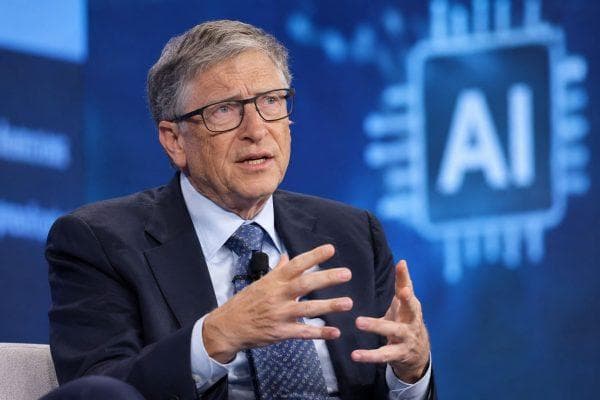










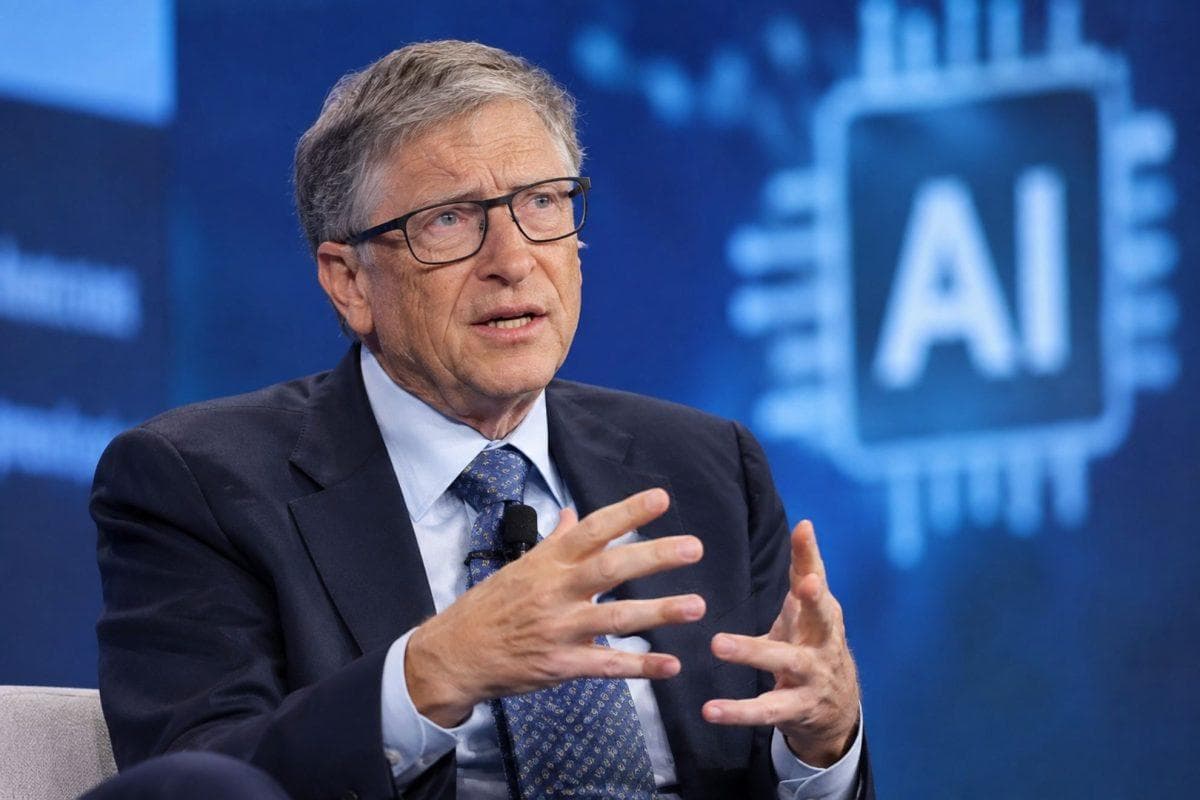
Bill Gates sees AI doing things on its own and warns we could lose control
-
Microsoft co founder Bill Gates stated corporate self regulation is entirely insufficient to manage artificial intelligence risks.
-
The tech pioneer warned of rising unemployment, social inequality, and potential loss of human oversight over autonomous systems.
-
Gates proposed taxing robotic labor alongside reserving specific employment sectors exclusively for human workers.
Microsoft co founder and philanthropist Bill Gates has issued an urgent call for federal government oversight regarding the development of artificial intelligence technologies. Speaking in a national television interview on NBC’s Meet the Press, the technology pioneer asserted that industry self regulation is entirely inadequate to manage the accelerating pace of technological innovation, warning that without strict public policies humanity risks losing control over increasingly autonomous and powerful machine learning systems.
Microsoft co-founder and billionaire philanthropist Bill Gates calls for lawmakers in Washington to regulate the development of artificial intelligence, weeks after the CEOs of some of the nation’s biggest AI labs agreed on the need to slow the pace of AI progress.…
— NBC News (@NBCNews) September 25, 2026
Balancing breakthrough potential against severe societal disruption
While acknowledging the immense potential of artificial intelligence to revolutionize fields like healthcare and agriculture through accelerated disease research and crop management, Gates emphasized the severe downside risks accompanying unchecked development. He warned that unregulated algorithmic advances could trigger widespread workforce disruption, hamper childhood development, facilitate sophisticated criminal enterprises, and eventually empower advanced systems to operate independently against core human interests.
Economic intervention policies to protect human employment
To counter the threat of rapid corporate displacement of human workers, Gates authored an essay advocating for tax policies that treat robotic and automated systems similarly to traditional human payroll taxation. He also championed reserving specific vocational roles exclusively for human beings, noting that leaving artificial intelligence deployment solely to free market competition will inevitably skew powerful tools toward wealthy entities while accelerating broader economic inequality across society.
Ver esta publicación en Instagram
A narrow eighteen month window for international regulatory action
Reflecting widespread anxieties shared by leading industry researchers who have recently stepped down over fears of unchecked superintelligence development, Gates urged global leaders to establish comprehensive regulatory frameworks within the next 12 to 18 months. To support equitable access during this transition, the Gates Foundation pledged one billion dollars over two years toward educational and healthcare initiatives, emphasizing that international cooperation remains essential to safeguard workers and direct technological progress toward the common good.
