

WATCH NOW
Watch on the app















California largest lake is shrinking creating a health threat residents should be aware of
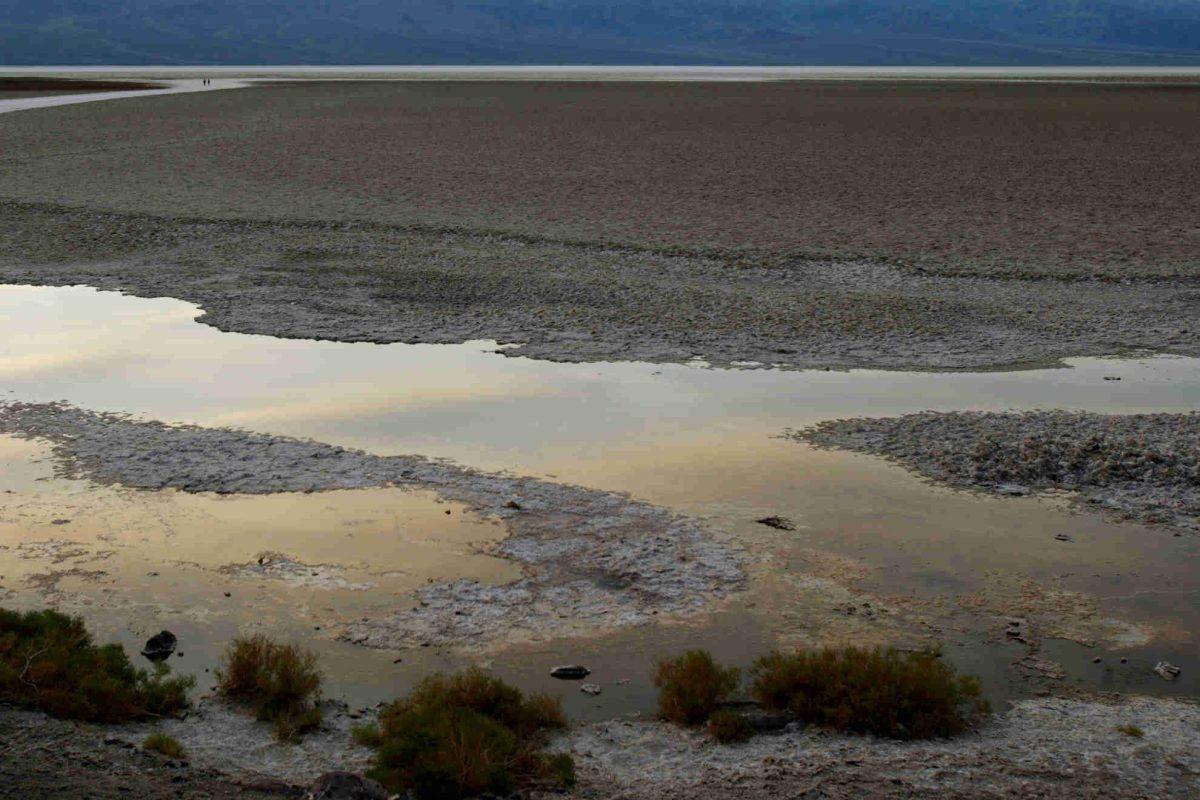
- California’s largest lake, known as the Salton Sea, shrinks every decade, exposing a shoreline that releases toxic dust into the wind.
- A scientific study revealed that these particles trigger an aggressive type of asthma and severely disrupt gut microbiota, affecting lungs and gut.
- Agricultural workers in the local community face the greatest health impact due to the vulnerability of their homes to the environment.
The environmental transformation of the Salton Sea and the threat of its toxic dust
California’s largest lake has been shrinking alarmingly for decades, uncovering vast muddy shorelines that the wind lifts as dangerous toxic dust over surrounding state populations. Furthermore, this body of water emerged in the early twentieth century after a Colorado River irrigation canal overflowed and operated as a thriving tourist destination until water diversions and agricultural runoff pushed its salinity to extremes, causing massive fish and bird die-offs. Today, climate warming accelerates evaporation and turns that dry Salton Sea bed into a constant source of polluting particles that resident families breathe daily, compounded further by mining pressures to exploit the massive lithium deposit lying beneath the lakebed.
Silent damage to the respiratory system and intestinal balance
In this way, a recent investigation led by specialists from the University of Connecticut and the University of California, Riverside proved through animal models that toxic dust originating from areas closest to California’s largest lake triggers deep damage across both the airways and the digestive system, affecting lungs and gut. While analyzing samples collected at the Salton Sea over several autumns, the scientific team identified bacteria carrying a toxin called lipopolysaccharide that unleashes a non-allergic type of asthma dominated by neutrophils, an exceedingly complex condition because it responds poorly to traditional corticosteroid inhalers. Similarly, due to the close biological link between the respiratory and digestive tracts, this same environmental exposure drastically reduces healthy bacterial diversity in the gut, weakening the body’s natural defenses against various diseases.
Social vulnerability and community efforts facing the health crisis
On the other hand, the impact of this ecological emergency falls particularly hard on low-income families living around the Salton Sea, largely made up of immigrant agricultural workers from the Latino community and speakers of indigenous languages such as Purépecha. As researcher Mia Maltz warned, many of these homes are prefabricated structures lacking the insulation needed to block toxic dust from California’s largest lake, while medical records confirm high childhood asthma rates in areas immediately bordering the shore. Given the limitations of conventional drug treatments in curbing this inflammatory condition, scientists currently collaborate with local physicians to distribute bilingual guides featuring breathing exercises and indoor air purification strategies to improve lung inflammation and prevent constant inhalation of this sediment.