

WATCH NOW
Watch on the app



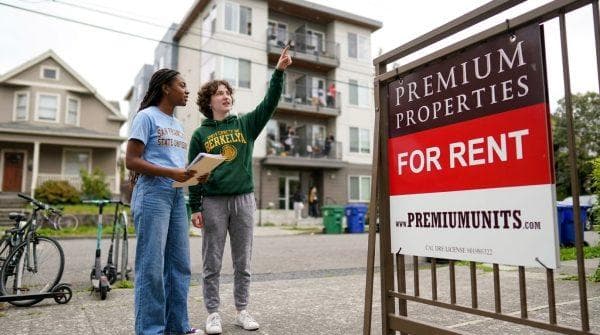











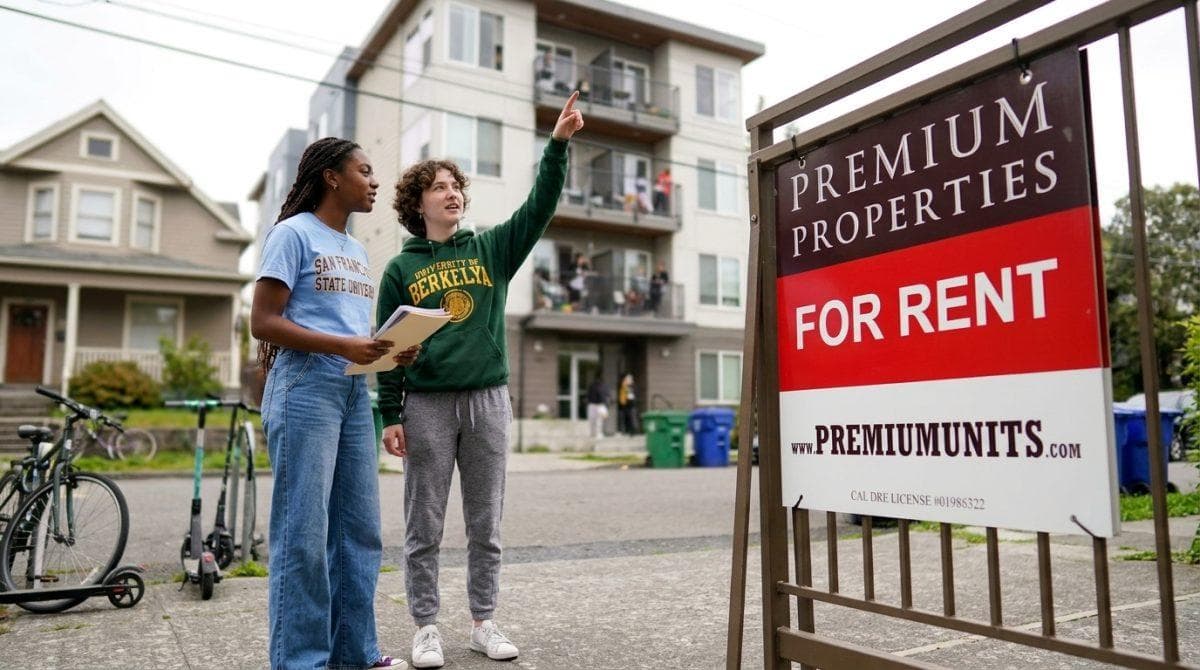
California college students struggling with rent could get a housing lifeline
-
Housing lifeline initiatives passed by state leaders aim to cut environmental bureaucracy and speed up affordable campus residential construction across public universities.
-
New state guidelines grant density bonuses to private developers who reserve at least 24% of their residential units for low income scholars.
-
A targeted $350M allocation from Proposition 1 bond funds will directly finance approximately 1,2k new university housing slots.
Governor Gavin Newsom signed 5 new state laws in late 2026 to streamline residential development, eliminate legal delays and provide urgent financial relief to California college students who face extreme economic burdens due to skyrocketing off campus rents near public university facilities.
On the other hand, state administrative bodies eliminated cumbersome judicial and environmental delays to reduce development costs; nevertheless, official guidelines clarify that these legislative measures do not directly cap or lower monthly rents, as individual market conditions dictate final rates in university cities like San Luis Obispo, where Cuesta College student leader Shaun Chilton reported that 4 scholars often squeeze into a single bedroom to afford housing.
Environmental exemptions for California college students and housing laws
Assembly Bill 1732, authored by Democratic Assemblymember David A. Alvarez, exempts affordable public university projects from lengthy California Environmental Quality Act reviews, allowing construction teams to build inside and outside campus borders without facing costly legal delays, while establishing a reliable housing lifeline for higher education institutions previously restricted by state jurisdiction limits.
Subsequently, Senate Bill 916 by Democratic Senator Angelique V. Ashby empowers state courts to require financial performance bonds from opponents filing frivolous lawsuits intended solely to block construction; meanwhile, Assembly Bill 2480 increases urban density incentives for private developers who reserve 24% of their units for lower income scholars, complementing procedural updates under Assembly Bill 2118 and ministerial approval pathways established under Assembly Bill 2011 in 2022.
Ver esta publicación en Instagram
Priority allocations, NextUp support and regional partnerships
Assembly Bill 2766 requires community colleges and California State University campuses to grant top housing priority and defer upfront fees for unhoused scholars and former foster youth; similarly, eligible students gain priority access to the state NextUp program for specialized housing assistance, forming a vital housing lifeline for vulnerable youth while University of California campuses participate voluntarily under constitutional autonomy rules.
However, regional developments move forward smoothly as University of California Santa Barbara advances a residential complex scheduled for completion in fall 2028, supported by a 2025 law that forces the California Coastal Commission to accept university parking assessments; additionally, Santa Monica College partnered with Michael’s Student Living to construct housing for 750 students under local zoning exemptions, receiving technical support from Student Homes Coalition leader Kate Rodgers.
Proposition 1 bond breakdown and strategic housing lifeline funds
-
Direct capital for higher education: Proposition 1 directs $350M split evenly between the University of California and California State University systems, directly funding 1,2k new student housing slots.
-
Comprehensive state bond package: Voters will evaluate an overall $11.25B credit package, allocating capital toward multifamily housing, tribal communities and agricultural workers.
-
Targeted financing for veterans: A dedicated $1.25B portion within the measure funds home loans repaid directly by participating military veterans.
-
Long term fiscal commitment: State budget administrators estimate an annual fiscal obligation ranging from $500M to $600M over 25 years to repay $10B in general fund bonds through a sustainable housing lifeline.
-
Structural relief for California college students: The combination of streamlined zoning laws and public financing creates lasting residential stability across state university campuses.
Justly, integrating flexible legislative guidelines with public infrastructure investments strengthens regional economic growth, providing a permanent housing lifeline that protects the academic future of California college students.
>>@CAGovernor Gavin Newsom signed 4 new California laws that “aim to speed student housing construction by exempting projects from environmental review, curbing certain lawsuits and offering developer incentives.”
https://t.co/byl9qcgvMN— Governor Newsom Press Office (@GovPressOffice) October 20, 2026
