

WATCH NOW
Watch on the app















Can shoes “activate” your brain? What neuroscience says about the promises offered by some footwear
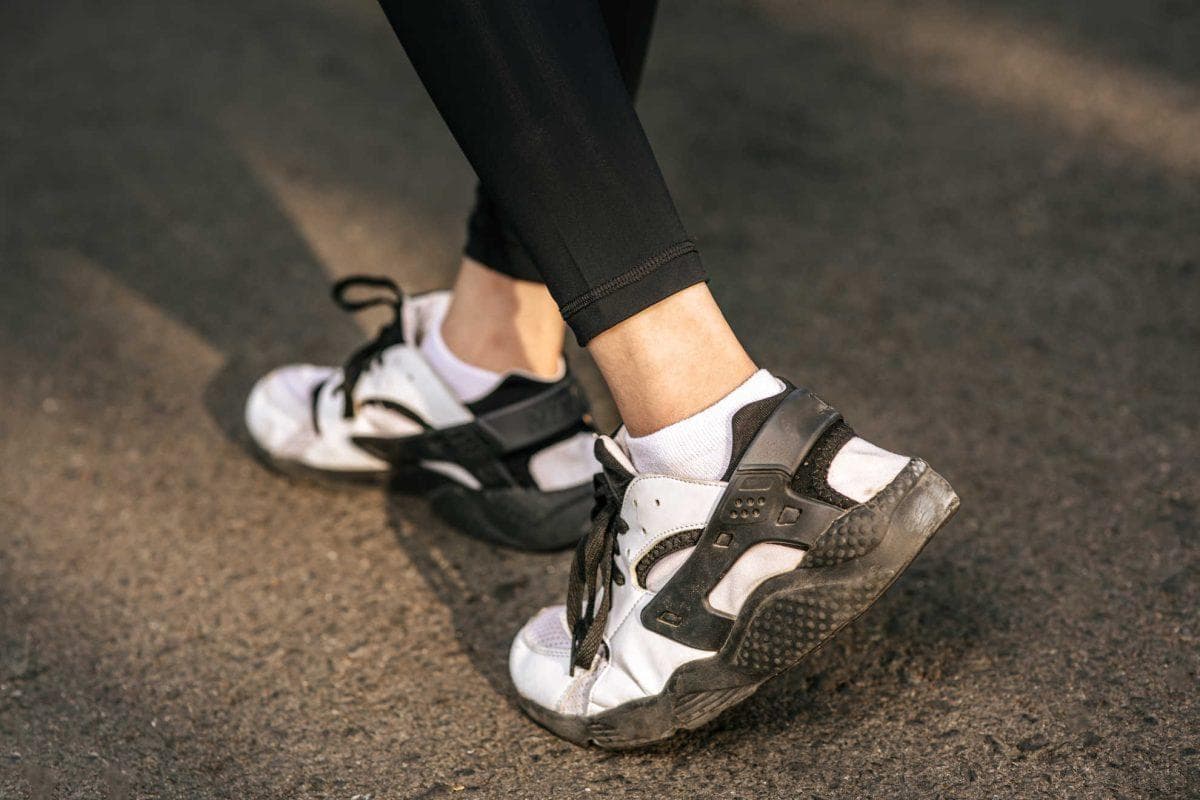
-
Brands like Nike and Naboso claim their designs can activate the brain and improve concentration through sensory stimulation on the soles of the feet.
-
While feet pack thousands of sensory receptors connected to the brain, neuroscience warns that feeling more doesn’t necessarily mean thinking better.
-
The most powerful effect of these shoes often stems from the placebo effect, where the belief in a competitive edge influences performance more than the technology itself.
The world of athletic footwear has entered an era of futuristic ambition, as brands no longer just promise comfort or speed, but now market brain-boosting shoes to heighten sensory awareness and mental resilience. Executives at leading companies suggest that studying perception and sensory feedback allows them to tap into the brain-body connection, helping runners feel more present and focused. Certainly, the idea carries weight because the soles of our feet send direct signals through mechanoreceptors to the somatosensory cortex in the brain. However, neurosurgeons who study these connections suggest that the reality behind these promises remains far more complicated and much less dramatic than the marketing campaigns depict.
The real connection between your feet and your mind
A close link definitely exists between how we move and how we process information, mainly because the brain maintains a detailed map of the body where the feet ensure balance and posture. By using minimalist footwear or shoes with special textures, we allow more tactile information to reach the nervous system, which increases awareness of our body’s position in space. Likewise, the problem with the famous brain-boosting shoes lies in the fact that more sensation does not automatically translate into better cognitive function, as the brain constantly filters stimuli to avoid unnecessary distractions. For someone unaccustomed to this type of footwear, the sudden increase in signals could even increase cognitive load, forcing attention toward the feet instead of freeing up mental resources for performance.
Science vs. marketing: The expert verdict
Neuroscience remains especially skeptical about improving concentration this way because executive functions and attention depend on complex networks in the prefrontal cortex that a textured surface alone cannot activate. While some evidence shows that specific sensory inputs help in rehabilitation or assist older adults with balance, no solid data confirms that these brain-boosting shoes work for healthy adults on a large scale. Therefore, the placebo effect or embodied cognition likely explains a large part of the positive effects users report, where the mere belief in an advantage changes perception and behavior. If a person feels their shoes give them mental “superpowers,” that belief drives their focus more than any technology hidden in the sole.
Ver esta publicación en Instagram
Ultimately, footwear influences how we move and feel physically, but it rarely rewires our brain’s capacity for deep concentration on its own. The most significant changes in mental clarity still come from fundamental habits like consistent training, restorative sleep, and attention management, rather than the tools on our feet.Although brain-boosting shoes might make the journey feel different or more comfortable, they do not offer a technological shortcut to rewriting our intellectual capacity. At the end of the day, what truly matters for cognitive health is how we move our bodies, regardless of how sophisticated the platform we stand on might be.
