

WATCH NOW
Watch on the app









Bad Bunny and the architects of the Caribbean sound that dominated 2025
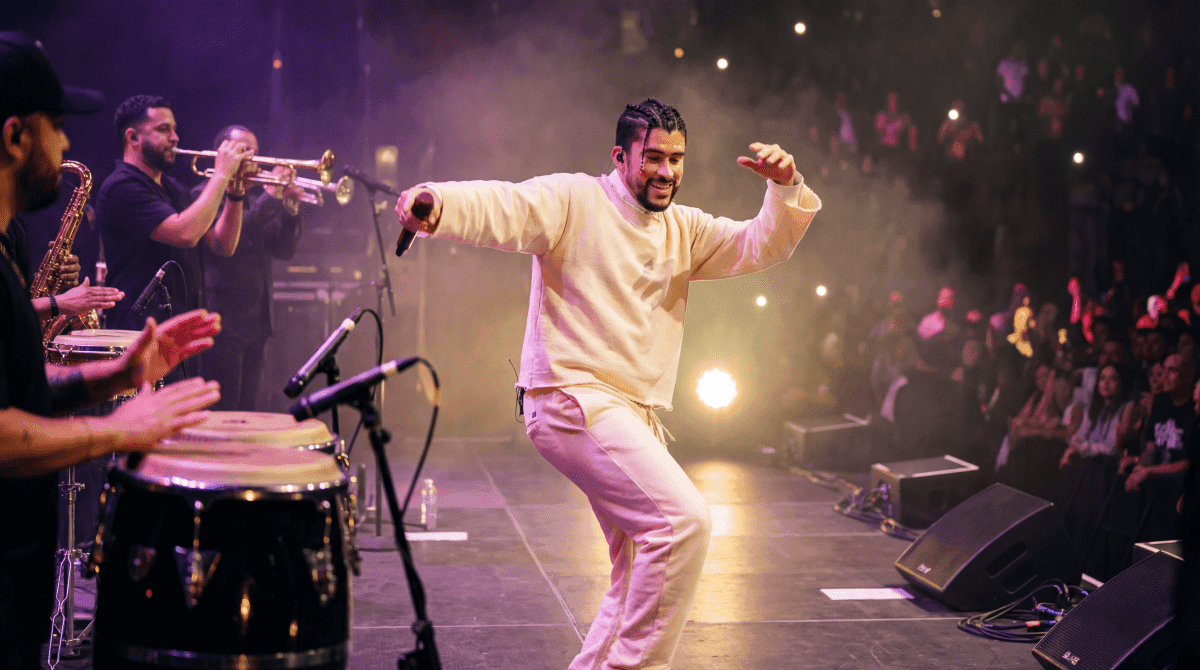
In 2025, the Caribbean sounded different again and it was no coincidence, Bad Bunny used his position as one of the most influential figures in global music to look back, reconnect with his roots and bring traditional Caribbean rhythms to stages where they had rarely been heard before.
Plena, bomba, salsa and reggaeton coexisted within a single project that not only dominated the charts, but also sparked a deeper cultural conversation. Latino identity is danced, sung and defended through tradition.
When reggaeton meets its roots
The album DeBÍ TiRAR MáS FOToS, winner of the Latin Grammy for Album of the Year, marked a clear turning point. In it, Bad Bunny fused reggaeton with Puerto Rico’s traditional genres, including plena and salsa, achieving something rare, historic sounds resonating with new generations across the world.
Rather than a musical experiment, the album became a visibility platform for rhythms that had long been confined to local or folkloric spaces.
Plena, bomba and Puerto Rican pride on stage
One of the most meaningful moments came with “CAFé CON RON,” a collaboration with Los Pleneros de la Cresta. The song portrays the iconic Puerto Rican chinchorreo culture through the rhythm of panderos, a sound born among enslaved communities, farmers, and sugarcane workers.
According to Erwin Carrucini from the collective Taller Toca Plena, the impact has been profound. He explains that Bad Bunny’s influence has sparked interest among young people who previously felt disconnected from these genres. “Now they say, let’s listen to bomba, let’s play plena, because it’s our music and our identity”, he notes.
During his historic concert residency in San Juan, Bad Bunny also incorporated bomba, bringing traditional drums, dance, and a proudly Afro-Caribbean aesthetic to the stage without filters.
Salsa, jíbaro spirit and cultural memory
Puerto Rican identity also surfaced in tracks like “PIToRRO DE COCO”, where the cuatro, the island’s national instrument, accompanies a deeply local narrative. Meanwhile, “BAILE INoLVIDABLE” helped return salsa to global dance floors.
Live performances featured Benito Antonio Martínez Ocasio sharing the stage with legendary figures such as Gilberto Santa Rosa and folk singer Andrés Jiménez “El Jíbaro”. The shows also integrated cinematic elements, including the participation of acclaimed actor Jacobo Morales.
He wasn’t alone, a Latin wave grew in 2025
Although Bad Bunny led the movement, he was far from alone. Rauw Alejandro had already paved the way with Cosa Nuestra, a salsa-driven album paying tribute to 1980s Latino New York. Its sound, visuals and staging honored diaspora identity and cultural heritage.
Karol G joined the wave with Tropicoqueta, an album blending salsa, bachata, cumbia, and vallenato while celebrating colombian identity through a tropical aesthetic inspired by classic Latin vedettes. None of them abandoned perreo, but all expanded the sonic map.
From mainstream success to cultural foundation
The impact extended beyond major stars as emerging artists followed the same path, merging traditional rhythms with modern styles. Tracks like “capaz” (merenguetón) by Venezuelans Alleh and Yorghaki, or “La Plena – W Sound 05″, which blends plena with afrobeats, confirmed that audiences were ready.
Carrucini believes that when globally influential artists invest in identity, the cultural effect becomes unstoppable.
2025, the year the Caribbean returned to the center
More than a trend, what happened in 2025 was a reunion. Bad Bunny and other Latin artists proved that looking back is not regression, but a way to move forward with greater force.
The Caribbean echoed worldwide, not as nostalgia, but as a statement of the present. It became clear that Latin music, when rooted in tradition, still has much more to say.
