

WATCH NOW
Watch on the app













World Cup 2026 Draw: What to expect, How it works, and Why this edition will feel different
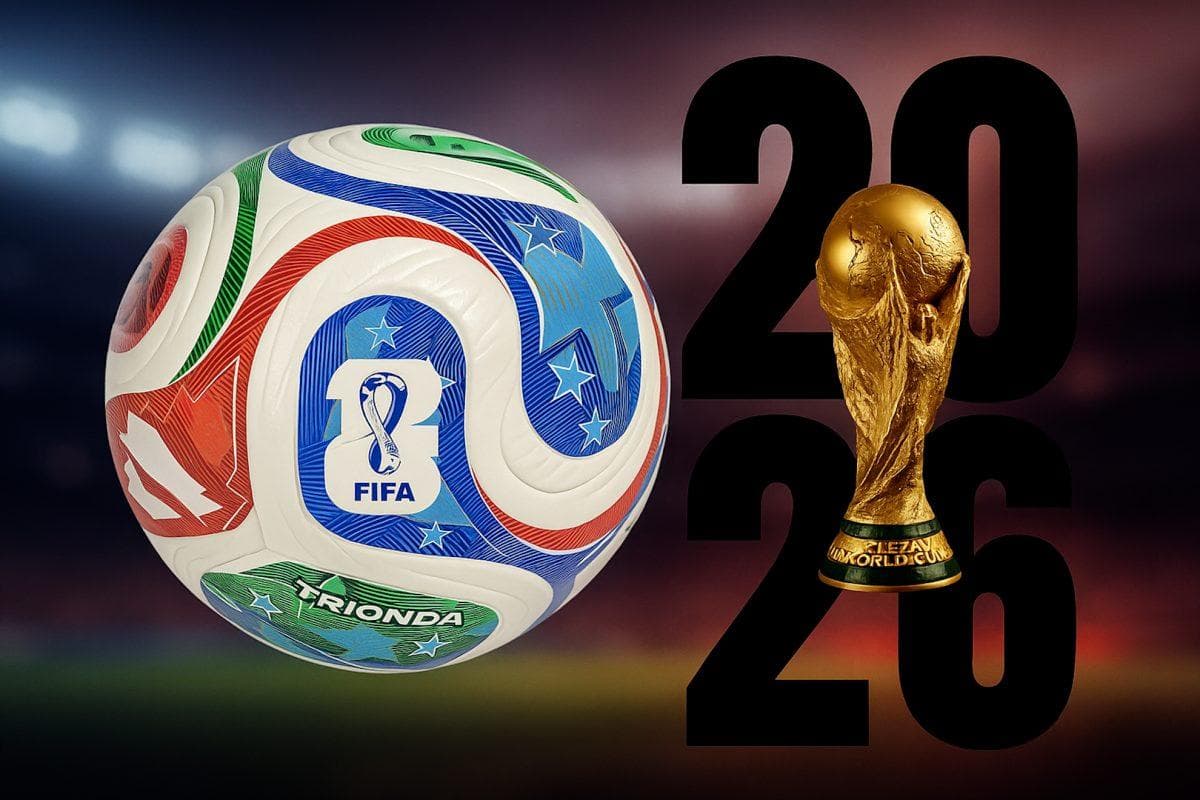
With 42 of the 48 teams already qualified, the World Cup is no longer “coming”, it’s practically here. And with it arrives one of the most anticipated moments before the ball even rolls: the group-stage draw.
The stakes are massive. Between three host nations, six tickets still up for grabs, and the possibility of giants landing in the same group, this will be the most unpredictable draw in modern World Cup history.
Here’s everything fans need to know, what day, what rules, how the pots work, and why this draw could set the tone for an unforgettable tournament across the U.S., Mexico and Canada.
When and where is the World Cup 2026 draw?
The group-stage draw will take place at the Kennedy Center in Washington D.C., on Friday, December 5 at 9:00 p.m. PT
Six teams will still be unknown on draw day, the four UEFA playoff winners and the two intercontinental playoff winners, all confirmed in March 2026.
How does the draw work?
FIFA will place the 42 confirmed nations into four pots of 12 teams each. Every group will be made up of one team from each pot.
The draw rules follow long-standing principles:
-
Teams from the same confederation cannot be in the same group, except UEFA, which can have up to two per group.
-
Hosts receive automatic placement: Mexico in Group A, Canada in Group B, USA in Group D.
Randomness decides everything else, but the pot composition creates major implications.
How the pots are built (and why it matters)
The three host nations sit in Pot 1, regardless of ranking. They are joined by the top-ranked qualified teams in the FIFA standings.
Pots 2–4 follow the ranking order. But here’s the twist: FIFA still hasn’t revealed how it will place the six playoff teams. Most projections expect all of them to fall into Pot 4, even if their ranking is much higher.
That’s where things get chaotic.
Example:
Italy (potential playoff qualifier) could theoretically land in Pot 4 despite being a top-10 team globally.
That creates the possibility, very real, of a “Group of Death” like:
Argentina – Netherlands – Japan – Italy
Something similar could happen with Portugal, France or England.
Which teams cannot face each other under any circumstances?
-
No same confederation matchup in the group stage (except UEFA, maximum two).
-
The six playoff teams (four UEFA + two intercontinental) will have restricted placement, most likely all in Pot 4.
-
If Pot 4 is flooded with competitive nations, several groups could become brutally difficult.
Where the pots stand today (provisional)
Pot 1: Mexico, USA, Canada, Spain, Argentina, France, England, Portugal, Brazil, Netherlands, Belgium, Germany.
Pot 2: Ecuador, Australia, Croatia, Morocco, Colombia, Uruguay, Switzerland, Senegal, Japan, Iran, South Korea, Austria.
Pot 3: Norway, Egypt, Algeria, Scotland, Paraguay, Ivory Coast, Tunisia, Qatar, Uzbekistan, Saudi Arabia, South Africa, Panama.
Pot 4: Jordan, Cape Verde, Ghana, New Zealand, Haiti, Curaçao + the six playoff winners (four UEFA, two intercontinental).
Final FIFA rankings will update again this Wednesday, which could slightly shift pot composition, but the overall structure remains locked.
Why this draw could define the tournament before kickoff
Between unpredictable playoff teams, three host nations, and the expanded 48-team format debuting for the first time, this draw may shape entire storylines:
-
A continental superpower falling into a brutal group
-
A Dark Horse getting a dream path
-
A historic upset brewing before March even ends
And for fans across the U.S., Mexico, Canada and Latin America, the draw marks the official countdown: the World Cup is no longer theory, it’s reality.
