

WATCH NOW
Watch on the app











Miami’s former cocaine corridor is becoming a luxury real estate destination, but not everyone welcomes the change
-
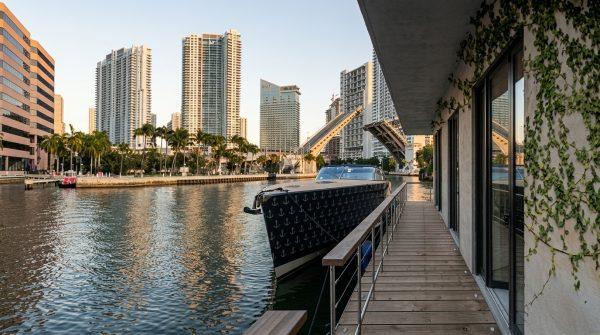
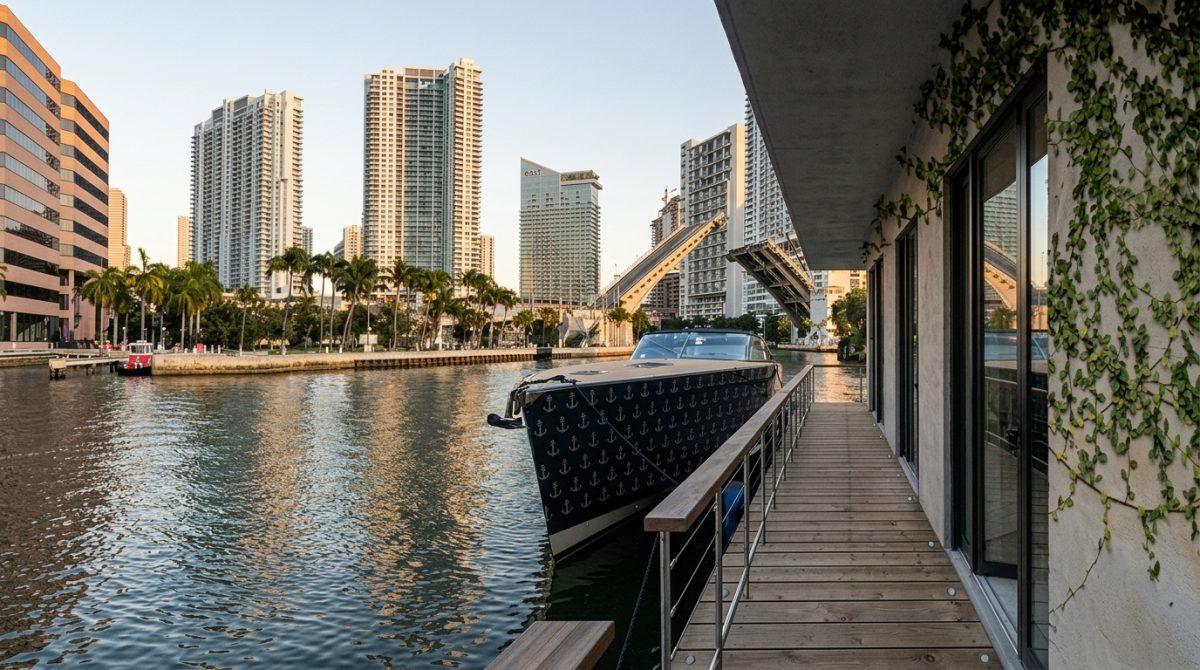
Luxury developers now build high rise towers and upscale waterfront projects along a Miami waterway once tied to crime.
-
Cargo barges, working boatyards, bait shops, and sewage leaks mix with sleek new riverfront condos across town.
-
Historians, officials and builders weigh rapid development, Tequesta archaeology and clean water goals along the river.
Miami River was once known for cocaine and crime during eras of smuggling and pollution, yet today the 5.5 mile waterway in Miami enters a real estate shift where luxury developers want its waterfront after decades of change driven by builders, officials, and residents, while historian Dr. Paul S. George, now in his 80s, the Miami River Commission, Miami Waterkeeper and development firms link the boom to scarce waterfront land in the city and a push that started when the Hyatt Regency opened in 1982.
Furthermore, rusted freighters, working boatyards, bait shops, sewage leaks and sleek new condos shape the current riverfront scene across Miami and while luxury developers advance residential towers and public riverwalk segments along the corridor, Tequesta archaeological finds and planning goals set in 2002 guide how each project moves forward.
Luxury developers and riverfront projects
Luxury developers target the lower river stretch between the Northwest 5th Street bridge and Biscayne Bay, where projects such as One Miami from the 2000s wave, Aston Martin Residences, Viceroy Brickell, Baccarat Residences, Faena Residences Miami and auto branded Bugatti Residences Miami on the south bank reshape the skyline, and KAR Properties broke ground earlier this month on Faena Residences Miami within a 14 acre bayfront district featuring two 68 story towers linked by a skybridge, a private resident park and a public riverwalk segment after a $30M penthouse presale earlier this year set a river record, while Related Group expects Baccarat to finish vertical construction in December and Adler Development leads Modera Riverside while planning a condo tower to replace the Miami Riverside Center.
Even so, change reaches other parts of the river through the $1.5B Miami Riverbridge plan slated to replace the Hyatt Regency and the James L. Knight Convention Center, along with MV Real Estate Holdings developer Alex Mantecon building Riverside Wharf to replace the temporary Wharf Miami that closed in 2023 with a 167 room hotel, two restaurants, a day club and a nightclub by 2028, while restaurateur Roman Jones points to strong multi million dollar returns at Kiki on the River since its 2017 opening, Bagatelle Miami, and Habibi Miami, and the middle river between Northwest 5th Street and Northwest 22nd Avenue mixes shipyards like RMK Merrill Stevens with Related Urban Development Group mixed income housing and the 528 unit River Landing complex north of the Dolphin Expressway across from Sewell Park featuring Publix and Hobby Lobby.
History, archaeology and river pollution
Miami River formed thousands of years ago as water drained from the Everglades toward Biscayne Bay and supported the Tequesta people roughly 2,500 years ago, yet crews still unearth artifacts and remains that slow construction, while Greenberg Traurig land use lawyer Iris Escarra notes that archaeological reviews typically add at least 6 months to riverfront builds, as happened at the Baccarat site and in the 1990s at Miami Circle after students and activists pushed to save the grounds and the upper river runs diagonally northwest past Miami International Airport toward the Everglades after dredging and canal work more than 100 years ago during Everglades drainage.
On top of those hurdles, Miami Waterkeeper reports rank the river among Miami Dade County’s most polluted waterways after heavy rain due to industrial runoff, sewage leaks, drainage flaws and illegal dumping, while Dr. Paul S. George recalls the 1980s era of Prohibition rumrunners, cocaine trafficking, and the Miami River Cops scandal in which a drug heist left 3 dead and drew in nearly 100 Miami police officers.
Even so, luxury developers, Miami River Commission Chairman Horacio Stuart Aguirre, and builder Shahab Karmely highlight decades of change, with George noting the river constantly reinvents itself despite delays in the 2002 plan, Aguirre recalling friends questioning his riverfront home purchase more than 25 years ago as the area shifted from a murky reputation to a healthier profile, and Karmely urging buyers to drop preconceived ideas while comparing revamped rivers in London, Bangkok, and Frankfurt and ancient civilizational hubs along the Tigris, Euphrates and Nile to human history along waterways.
Miami River shifts and key corridor forces
Officials, specialists and builders highlight core forces driving change along the waterfront:
-
Residential and dining growth pairs luxury developers behind Faena, Baccarat, Bugatti, Viceroy Brickell and Aston Martin with River Landing, Riverside Wharf, and waterfront restaurants.
-
Miami River archaeology and project timelines require reviews that add at least 6 months to builds and protect Tequesta sites such as Miami Circle.
-
Water quality and river planning face runoff, sewage leaks, and dumping flagged by Miami Waterkeeper alongside work tied to the 2002 urban infill plan.
-
Working port and neighborhood life keep boatyards, bait shops, Caribbean cargo barges and party boats alongside mixed income apartments and parks like Jose Marti and Sewell Park.
With historic boatyards, Caribbean barges, ultra luxury condos and long term plans, the Miami River keeps reshaping its waterfront identity in Miami.