

WATCH NOW
Watch on the app







10 Trailblazing Afro-Latino stars you should know
-
Afro-Latino stars have transformed American culture in fields ranging from music and sports to politics and academia
-
Their influence proves that the African-descendant experience in the United States is diverse and transnational, marked by Caribbean and Latin American roots
-
Black identity in the United States is not monolithic, but deeply diverse and shaped by shared migrations, languages, and heritages
When discussing Black history in the United States, the Latin contribution often falls out of the frame. However, the influence of Afro-Latino stars has been decisive in music, politics, sports, academia and the media. Today, it is worth looking beyond labels to understand how these figures have shaped American culture from an identity that is simultaneously African-descendant and Latin. Here are ten key names to understand that intersection.
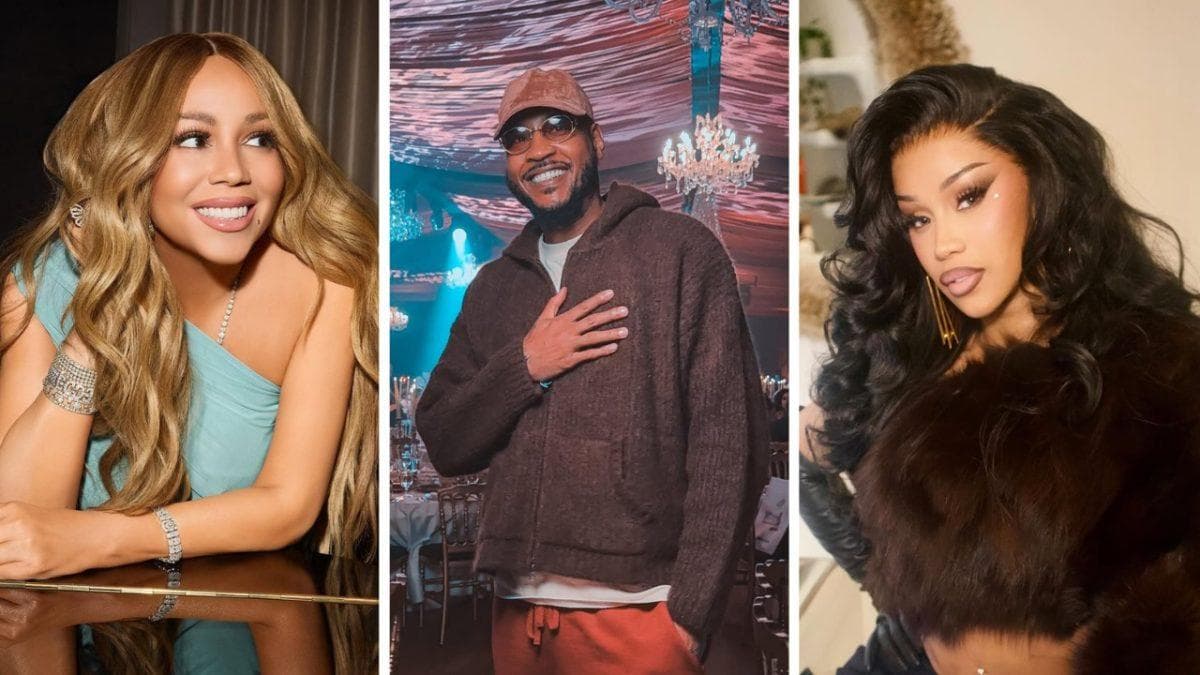
1. Cardi B
Belcalis Marlenis Almánzar burst into the industry with an unfiltered narrative. Of Dominican and Trinidadian descent, Cardi B has spoken openly about how Caribbean identity challenges traditional racial categories in the U.S. Her global success redefined mainstream female rap and also amplified conversations about colorism and Afro-Caribbean identity in pop culture.
2. José Celso Barbosa
A Puerto Rican physician and politician, he was one of the first Afro-descendants from the island to earn a medical degree in the United States. In the early 20th century, he joined the executive cabinet under the U.S. administration in Puerto Rico. His legacy transcends politics because he represents a generation that challenged racial barriers during the peak of the segregation era.
3. David Ortiz
“Big Papi” is not just a three-time World Series champion; he is a symbol of the Dominican diaspora in Boston. Ortiz turned his sporting platform into social impact, creating foundations to fund children’s heart surgeries in both the Dominican Republic and Massachusetts. His figure embodies the transnational connection that defines many Afro-Latino stars.
4. Arturo Alfonso Schomburg
A historian, writer and archivist, he dedicated his life to documenting the contributions of the African diaspora. In 1925, he founded the collection known today as the Schomburg Center for Research in Black Culture in Harlem. Without his work, much of the Afro-descendant memory in the Americas simply would not be preserved.
5. Mariah Carey
Although associated primarily with her Irish heritage for years, Carey has spoken about her Afro-Venezuelan roots through her father. Her family history reflects the tensions of assimilation faced by many Black Latin American migrants in the U.S. Her career, marked by historic Billboard records, is also part of that invisible narrative.
6. Gwen Ifill
A pioneering journalist, she was the first Black woman to moderate a vice-presidential debate in the United States. The daughter of a Panamanian father and a Barbadian mother, Ifill opened doors in newsrooms historically dominated by white men. Her career at NBC and PBS consolidated a model of Afro-Latino journalistic leadership on a national level.
7. Tessa Thompson
With an Afro-Panamanian father and a mother of Mexican descent, Thompson became one of Hollywood’s most versatile actresses. From the Marvel Universe to independent dramas, her presence redefines Afro-Latina representation on screen. She has also been an active voice in debates about racial identity in the entertainment industry.

8. Sylvia del Villard
A Puerto Rican dancer, actress and activist, she fought against racism in the island’s media and defended the visibility of Black artists. In the 1970s, she denounced systematic exclusion in television and theater. Her cultural activism laid the groundwork for contemporary debates on representation.
9. Carmelo Anthony
The son of a Puerto Rican father, Anthony has constantly reclaimed his Boricua identity, even representing the flag in international competitions. Beyond the NBA, his investment in community projects in Puerto Rico demonstrates how cultural pride can translate into economic development.
Ver esta publicación en Instagram
10. Miriam Jiménez Román
A scholar and activist, she was one of the leading voices in Afro-Latino studies in the U.S. Her editorial work helped formalize an academic field that today influences universities across the country. Román insisted on something fundamental: Afro-Latino identity is not a footnote; it is a central part of American history.
More than just labels
Speaking of Afro-Latino stars is not a trend; it is a historical correction. These figures demonstrate that Black identity in the United States is not monolithic, but deeply diverse and marked by shared migrations, languages and heritages. In a country where the racial conversation is often oversimplified, recognizing these ten personalities is also recognizing that American culture is and will continue to be Afro-Latino.
