

WATCH NOW
Watch on the app















Why women are three times more likely to experience migraines and what can trigger an attack
-
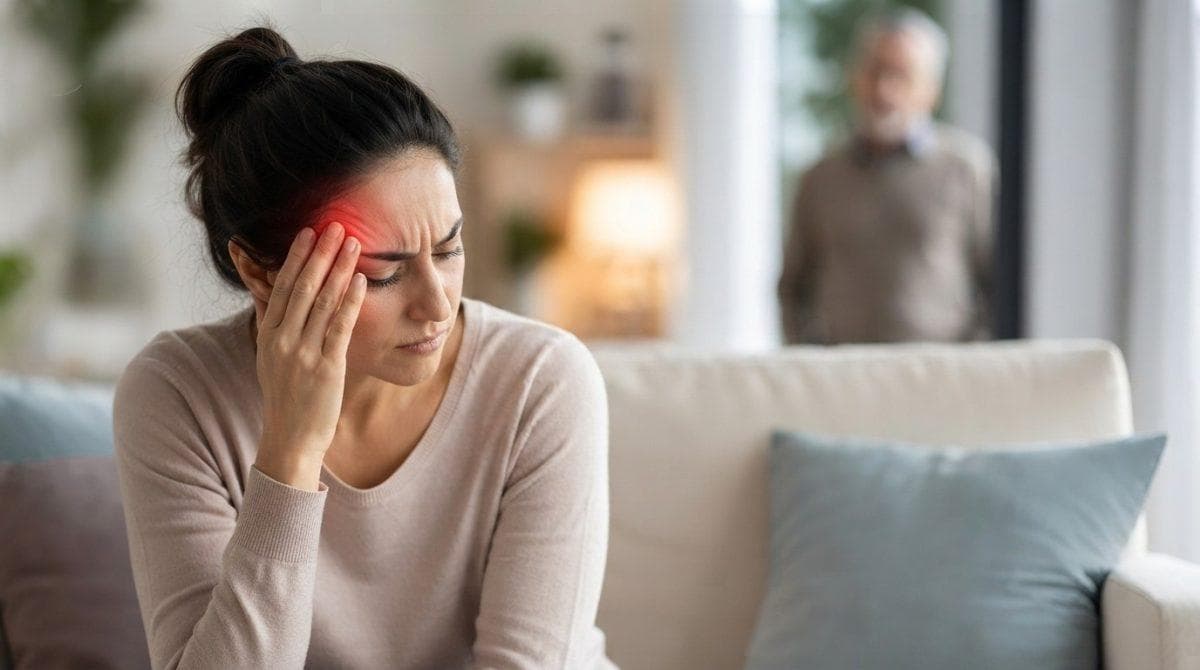
Female migraine triggers highlight why drastic hormonal fluctuations during menstruation cause a significantly higher frequency of severe pain in women.
-
The gradual accumulation of daily stressors exceeds the neurological threshold and triggers severe episodes of pain.
-
Medical specialists recommend maintaining stable routines to diminish both the intensity and recurrence of these debilitating attacks.
Women experience migraines at a threefold higher likelihood compared to men, driven by a complex combination of biological and hormonal factors that disrupt nervous system stability over time, while this heightened female vulnerability manifests intensely across various life stages and the charitable organization Migraine Trust notes that the neurological condition impacts approximately 1 in 7 individuals worldwide, equating to over 1.000 million people globally.
Furthermore, researchers classify the condition as a genetic disorder that renders the brain exceptionally sensitive to external changes, although certain individuals carry the associated genes without ever experiencing symptoms, leading experts to investigate the precise female migraine triggers that activate these recurrent attacks within everyday routines.
Ver esta publicación en Instagram
Women experience migraines and hormonal factors
During early childhood, roughly 10% of children suffer from migraines equally across both genders, but this clinical landscape shifts dramatically during puberty as girls begin their menstrual cycles, causing sharp estrogen drops right before each period to intensify clinical symptoms among affected patients and spark acute pain episodes.
Meanwhile, the perimenopause transition completely alters hormonal balance and introduces complex medical challenges for mature women, although hormone levels typically stabilize progressively after menopause, yet Dr. Katy Munro, an expert at the United Kingdom’s National Migraine Centre and host of the Heads Up migraine podcast, warns that patients juggling heavy family and professional responsibilities accelerate the onset of severe daily crises driven by biological female migraine triggers.
Ver esta publicación en Instagram
Clinical phases and daily lifestyle triggers
Attacks typically unfold across four distinct stages beginning with a prodromal warning phase marked by frequent yawning and fatigue, progressing toward an aura stage lasting up to 1 hour with visual disturbances in roughly one third of patients, continuing through a headache phase lasting 4 to 72 hours accompanied by nausea and vomiting, and culminating in a postdromal phase or migraine hangover lingering for up to 2 days, while minor factors like blood sugar drops, weather shifts, and accumulated stress push the body past its tolerance threshold.
Additionally, everyday behaviors such as rushing through Friday workloads, enjoying an unexpected glass of wine, or altering sleep schedules create a snowball effect that activates sensitive neural pathways, which makes acting as a migraine detective by evaluating the previous 2 days essential for identifying the exact source of discomfort linked to hidden female migraine triggers.
Female migraine triggers, therapeutic options and clinical control strategies
-
Establishing strict sleep and dietary routines helps maintain daily neurological stability and prevents unexpected episodes tied to female migraine triggers and how women experience migraines.
-
Consulting medical professionals promptly facilitates access to targeted pharmacological treatments like triptans to halt pain progression.
-
Evaluating supplements such as magnesium and vitamin B2 under clinical supervision remarkably reduces severe symptom frequency.
-
Avoiding self-medication with codeine or excessive paracetamol prevents the worsening of recurrent headaches in patients.
-
Considering advanced therapies like botox injections, CGRP peptide blockers, or complementary practices like yoga and acupuncture strengthens overall wellness against female migraine triggers.
-
Monitoring atmospheric pressure shifts and maintaining optimal hydration actively minimizes everyday environmental risks.
-
Analyzing professional and personal stress patterns empowers individuals to anticipate crisis onset linked to daily tensions that cause women experience migraines.
Ver esta publicación en Instagram
Current scientific studies demonstrate that understanding underlying biological mechanisms transforms the clinical prognosis for individuals managing these neurological disorders, ensuring that proactive preventive measures safeguard overall health against the constant impact of severe head pain tied directly to instances where women experience migraines.
