

WATCH NOW
Watch on the app













Why using a numeric passcode is far safer for your privacy than facial recognition
- A numeric passcode protects your privacy better than facial recognition in many legal gray areas
-
Biometrics offer convenience, but they are easier to force than a memorized passcode
-
Changing your unlock method today could prevent legal risks tomorrow, but always evaluate the safest option for your situation
Unlocking your phone with your face feels like everyday magic, you look at the screen and you’re in. No passwords to remember, no friction. Biometrics were sold as the future of personal security, yet there’s a paradox, what feels more convenient isn’t always more secure. The real issue isn’t technological, it’s legal.
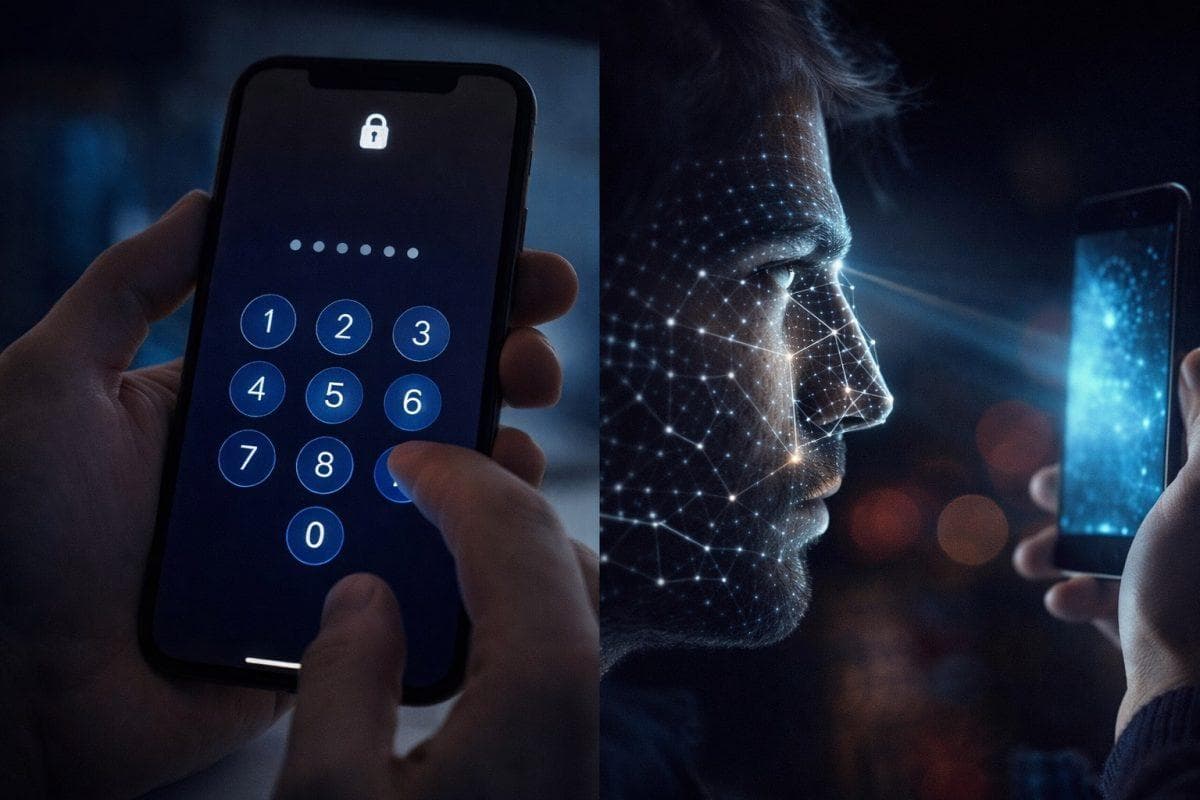
In many legal systems, authorities can require you to unlock a device using biometric data like your face or fingerprint, however, they often cannot force you to reveal a memorized passcode. The difference matters; your face counts as a physical characteristic, not a mental statement; a PIN represents private knowledge. That invisible line can turn biometrics into a weaker lock when legal power comes into play.
Biometrics vs. passcodes: Not the same level of protection
Facial and fingerprint scanners work well against casual theft. They provide speed and efficiency in everyday situations, but developers did not design them with complex legal scenarios in mind.
A numeric passcode introduces a different barrier because it depends on your consent and no one can read your mind to extract it. That distinction gives passcodes both technical strength and legal protection, privacy depends not only on algorithms but also on rights.
Your risk level matters
Not everyone faces the same level of risk. For the average person, Face ID or similar tools may feel sufficient. But journalists, activists, immigrants, politicians, human rights defenders and anyone handling sensitive information should think carefully before relying solely on biometrics.
Even if you don’t belong to these groups, ask yourself a broader question: do you want your phone to unlock without your active consent?
Privacy isn’t only for people who “have something to hide”. It serves as a safety net for any citizen in unpredictable future situations.
The myth of “I have nothing to hide”
This phrase often appears in debates about surveillance, but privacy isn’t about hiding crimes, it’s about maintaining control over your personal life. Your phone stores conversations, photos, medical history, banking data, locations, contacts and habits. It’s an intimate map of your existence leaving it weakly protected equals leaving your front door open because you believe nothing illegal sits inside.
Lockdown modes and extra protection
Modern systems acknowledge these risks. Many devices include lockdown features that temporarily disable biometrics and require a passcode. During stressful situations, border checks, protests or international travel, these options can become essential.
Apple offers a highly restrictive Lockdown Mode, while Android allows users to quickly disable biometric unlocking. Google also provides advanced protections that enforce strong authentication. Yet all these tools rely on one key principle, the passcode remains your last line of defense.
The only lock that resists easy coercion
Deleting your biometric data and relying solely on a passcode may sound extreme, but from a privacy perspective it offers the strongest protection. You can change your code whenever you want, but you cannot change your face or fingerprints.
Biometrics are permanent. Once compromised, you cannot reset them the same way you reset a password. That difference makes a passcode a flexible security layer, while biometrics tie your identity to an unchangeable trait.
Privacy begins on the lock screen
Switching from Face ID to a passcode doesn’t mean rejecting technology, it means using it consciously. Experts agree that modern digital security isn’t paranoia; it’s digital literacy.
Reading privacy policies, using unique passwords, closing old accounts and activating advanced protections mirror the simple act of locking your home at night. Your lock screen represents the first border of your digital life and today more than ever, your privacy depends on making that border not only convenient but resilient. Remember this, the best time to strengthen your security is always before you need it.
