

WATCH NOW
Watch on the app















American families are seeing five warning signs for the future of the U.S. economy
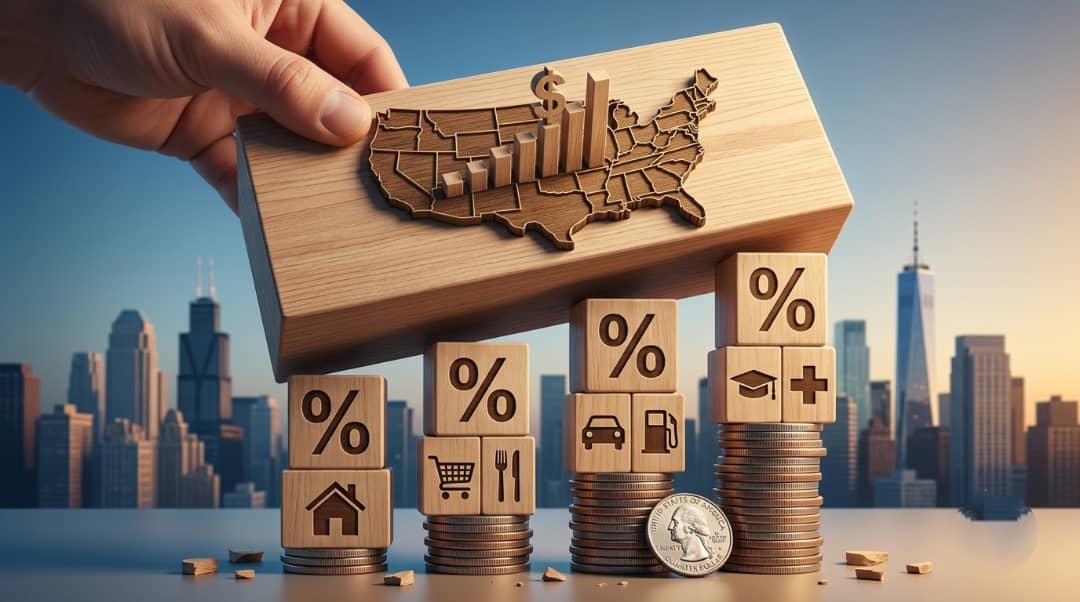
- Money goes less and less far in households, forcing them to modify daily purchases to protect their finances.
- Current economic pressure from US inflation reduces the savings margin and increases the use of financing to cover basic expenses.
- The sustained increase in prices generates deep changes in the spending priorities of the population.
US inflation has begun to take its toll on consumption, which for a long time sustained the country’s economic activity. Given the current financial pressure, various analysts warn that resilience in household spending has reached a highly complex inflection point.
Recent data reveals clear signs of fatigue in family budgets due to this phenomenon. In fact, the gap between rising wages and the cost of living severely limits the purchasing power of the population.
Real income loses the race against prices
Key market indicators demonstrate that wages are lagging behind the costs of basic products and services. In practical terms, this gap wipes out any nominal increase in workers’ paychecks.
PNC specialists explained that, when discounting the impact of the cost of living, disposable income fell more than 1%; this represents the largest year-over-year drop since the 2009 global financial crisis. The phenomenon limits the room for maneuver for middle-income families.
Credit card delinquencies reach historic highs
The lack of liquidity forced many consumers to rely on financing to cover their basic needs. As a direct consequence, delays in bank card payments reached their highest level since 2011.
On the other hand, nearly 13% of credit accounts are currently in delinquency; the use of plastic ceased to be a convenience benefit. It now functions as a risky emergency resource due to high interest rates.
Personal savings plummet to critical levels
The capacity to face unexpected economic events decreased drastically over the past year, so the financial cushion of families suffered a severe reduction that sparks alarms among sector analysts.
The personal savings rate dropped to a historic 2.6%, an alarming figure compared to the 5.5% recorded the previous year. This is the lowest percentage detected in the last two decades within US territory.
Adjustments in gas consumption reveal financial stress
Drastic modifications in consumer spending are immediately reflected in the purchase of fuel for transportation. For most workers, gasoline is a mandatory expense, which leads to sacrificing other areas.
Figures from service stations like Walmart confirm that the average volume per fill-up dropped notably. Customers are buying fewer gallons per visit, a behavior that evidences the severe cut in drivers’ budgets.
The impact reaches long-term retirement funds
The immediate need for cash altered the future financial plans of thousands of citizens. A Fidelity report indicated that loans and hardship withdrawals from 401(k) retirement accounts increased.
Applications due to severe financial difficulties rose to 2.5% this quarter. Compromising old-age savings demonstrates that the current urgency outweighs stability plans for the future of families.
