














Corridos are heading to college as a U.S. university turns Mexican music into a class
-
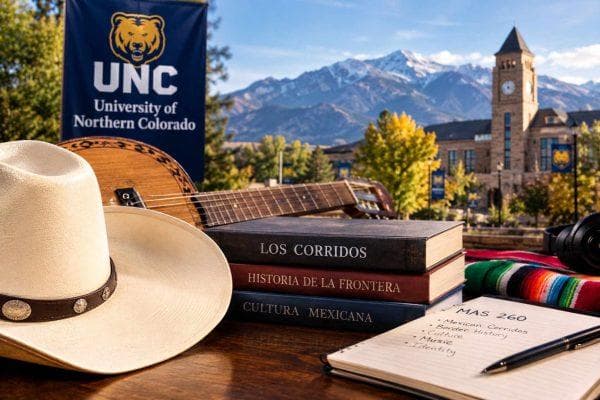
The University of Northern Colorado launched MAS 260 to examine Mexican music as a tool for cultural storytelling.
-
The three-credit course connects college undergraduates with local high school students seeking early academic experience.
-
Led by Professor Jonathan Alcantar, the curriculum addresses immigration, social conflict and border history.
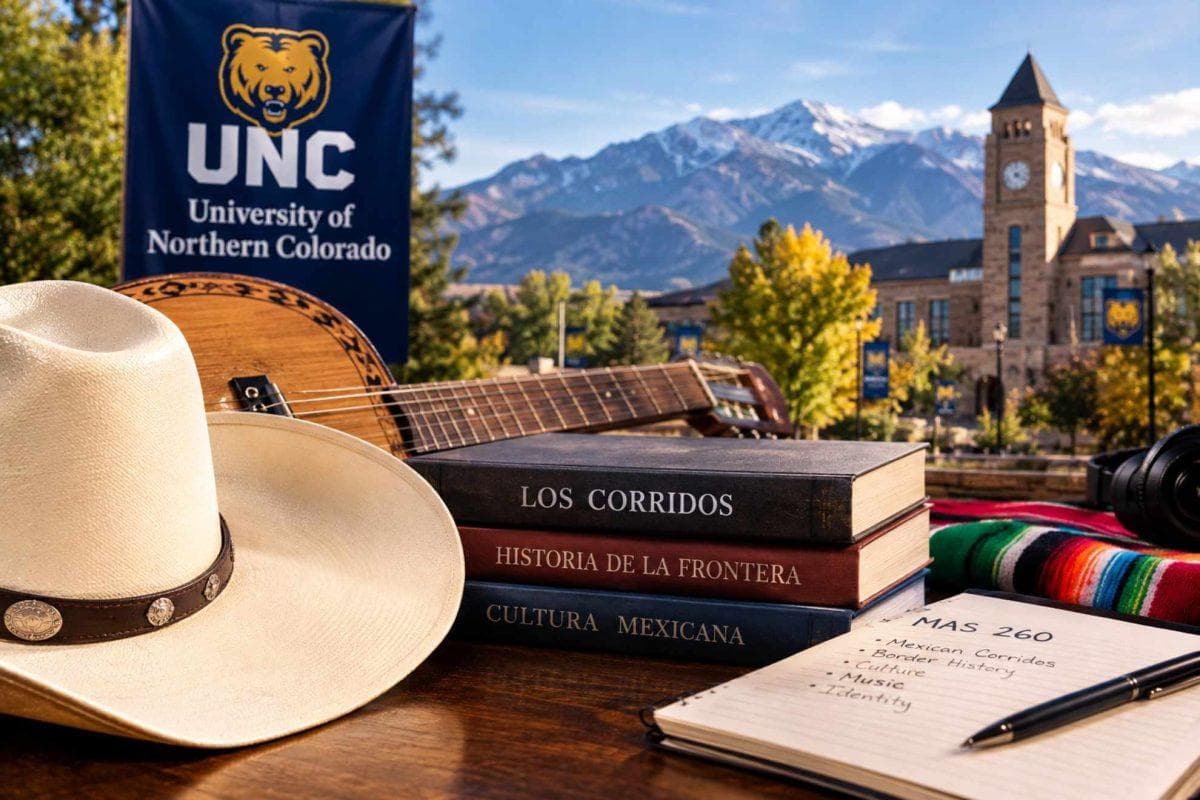
The cultural footprint of regional Mexican music has achieved formal academic recognition within higher education institutions across the United States. The University of Northern Colorado (UNC), situated in Greeley, introduced a specialized curriculum centered on the historical evolution of narrative songs. Administered through the Mexican American Studies program, the three credit course designated as “MAS 260, Corridos: Music, Identity, Cultural Expressions, and Social Narratives at the Border” offers students an in depth examination of how musical traditions document community experiences along the border region.
Ver esta publicación en Instagram
Analyzing music as an authentic historical archive
Designed to treat narrative ballads as primary historical records, the curriculum explores how folk music captures socio-political challenges, migration patterns, and daily struggles across generations. Under the instruction of Dr. Jonathan Alcantar, students analyze real life accounts to understand how marginalized groups express resilience and preserve collective memory. By examining these musical compositions, the course provides an alternative perspective that critically reassesses mainstream historical narratives through the lens of community storytelling.
Bridging the gap between secondary and higher education
A unique element of this educational framework involves its dual audience structure, which extends enrollment opportunities beyond traditional college undergraduates. The institution actively invites local high school students to participate in the lectures, allowing younger scholars to earn academic credits while experiencing collegiate coursework firsthand. This initiative serves as an accessible pathway for high school youth to engage with university level Mexican-American Studies while fostering strong connections within the local Hispanic community.
Previous academic initiatives and global genre growth
This course builds upon previous educational efforts organized by UNC and Dr. Alcantar, who previously introduced coursework analyzing narcocorridos and contemporary popular culture. However, the current iteration places greater emphasis on connecting academic research with the lived experiences of borderland communities. As regional Mexican genres continue to dominate global streaming platforms, the course highlights the cultural importance of honoring musical traditions that have historically given voice to underrepresented populations.
Educational significance and cultural preservation
The integration of traditional song structures into university lecture halls reflects a growing movement to diversify humanities curricula across American campuses. Faculty members stress that studying folk music enables scholars to better understand the complex identity dynamics shaping Mexican-American history. By examining these narratives in a formal classroom setting, the program ensures that traditional oral histories remain preserved and critically evaluated within modern academic discourse.
