

WATCH NOW
Watch on the app





The new Malibu ghost vibe: Why the city still hasn’t recovered from the Palisades Fire
- Malibu continues facing severe urbanistic challenges amid the slow recovery pace following the devastating Palisades wildfire disaster.
- Local property owners choose to sell their coastal plots due to complex municipal bureaucracy and skyrocketing costs.
- Government authorities implement digital permit portals while residents demand greater institutional agility.
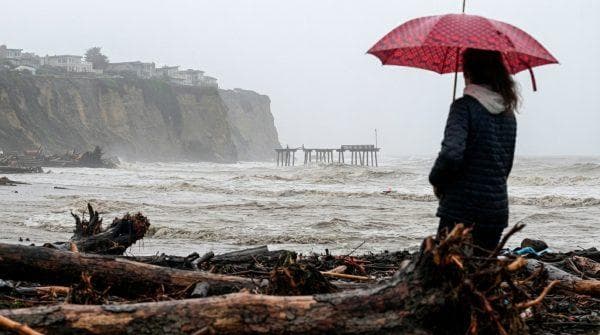
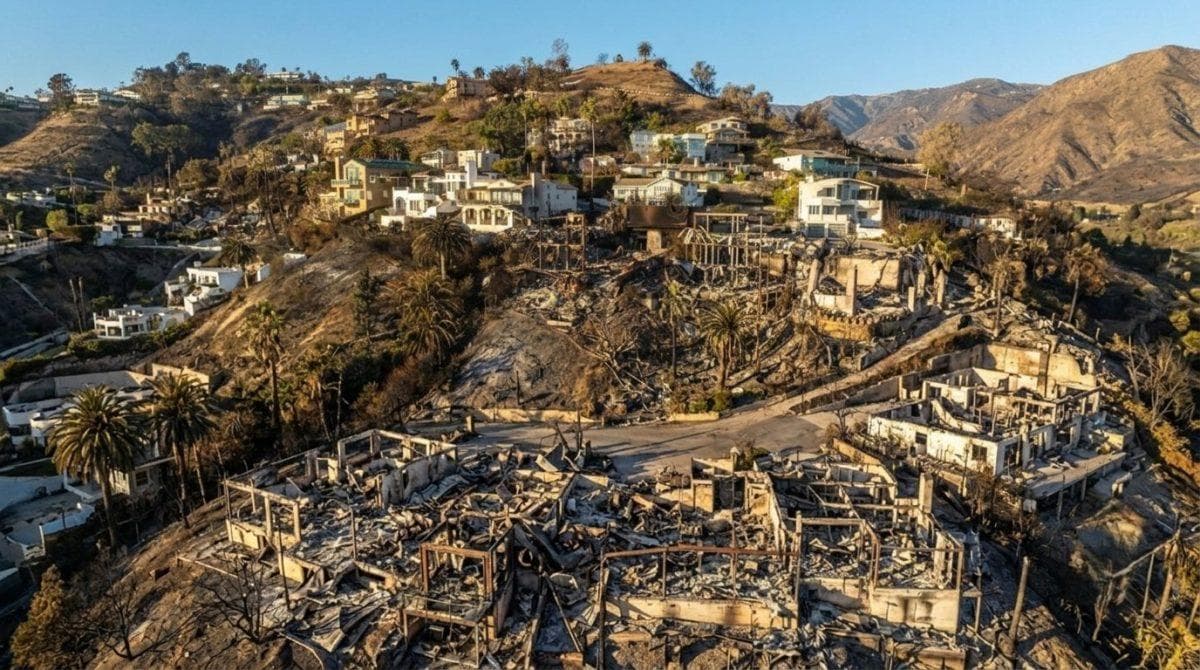
Malibu heads urbanistic concerns after registering that 18 months after the Palisades Fire devastated the area, only a reduced number of homes located along the Pacific Coast Highway have initiated reconstruction work; consequently, this Palisades wildfire disaster keeps the iconic coastal zone converted into a landscape of charred ruins that mobilizes property owners and government agencies to debate bureaucratic slowness.
Although Governor Gavin Newsom expedited initial procedures with the California Coastal Commission, elevated construction prices and a lack of adequate insurance coverage force numerous affected individuals to sell their parcels at low prices; furthermore, official figures indicate that out of 1,076 requested permits only 88 correspond to new homes, reflecting a deep housing crisis that affects community stability.
Ver esta publicación en Instagram
Bureaucratic obstacles and the insurance crisis in Malibu
Affected property owners like Matt Greenberg point out that this Palisades wildfire disaster transformed municipal permit acquisition into a slow and extremely costly process, delaying structural lifting labors for over a full year; conversely, residents like Carl Randall highlight that the deficit in California Fair Plan policies leaves most families underinsured against edification budgets reaching $7,000,000 USD, severely complicating the urban panorama.
That adverse economic scenario radically alters local demographics and mayoral candidates like Danny Smith denounce that the coastal zone resembles a historical ruin landscape that will take decades to heal; consequently, neighbors organize public demands urging the municipal administration to intensify logistical support and reduce technical requirements to accelerate the return of displaced families, avoiding permanent displacement.
Technical challenges and current reconstruction realities
-
Registering only 61 homes in active reconstruction out of nearly 600 single-family houses destroyed by the fire.
-
Facing elevated edification budgets compared to maximum insurance coverage limits capped at $3,000,000 USD.
-
Hiring multiple technical specialists including coastal, structural, civil, and septic engineers to comply with local regulations.
-
Limiting heavy workspace alongside the heavily traveled Pacific Coast Highway due to road restrictions imposed by the city.
-
Demanding a greater presence of governmental oversight to guarantee the safety of working crews during construction.
Additionally, this Palisades wildfire disaster forces engineers in charge of the works to point out that placing deep foundations and concrete piers requires rigorous geotechnical evaluations to prevent dangerous landslides on the cliffs; therefore, property owners continue navigating between strict state regulations while attempting to recover their homes.
Future perspectives and the destiny of the coastal enclave
Promptly, local administrations and contractors dismiss massive residential projects in vulnerable areas, prioritizing updated safety regulations to prevent future environmental disasters; nonetheless, local residents argue that the lack of institutional speed threatens to turn the coastal strip into an exclusive space for ultra-rich investors, altering its historical identity.
Meanwhile, community pressure remains firm as neighborhood committees evaluate new political pressure strategies to demand transparency and extraordinary resources from federal agencies; accordingly, upcoming months define whether original families manage to return or if the real estate sector completely redefines the housing future of Malibu.
Ver esta publicación en Instagram
