

WATCH NOW
Watch on the app





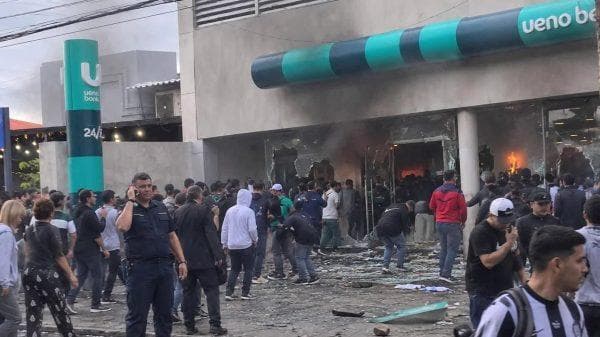









Paraguay Ueno Bank collapse: Will customers recover their savings after president resigns?
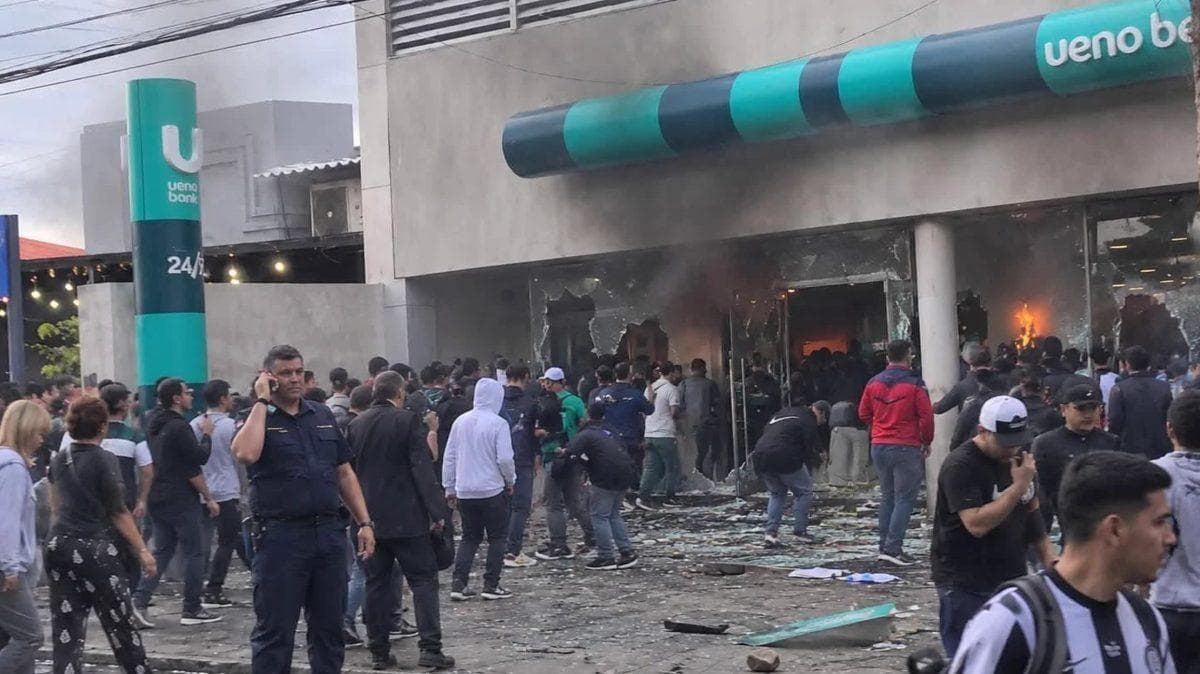
Nearly three million people in Paraguay are facing a frightening question: what happens to their savings when the bank holding their money suddenly shuts down? Families have been unable to access accounts, retirees have faced uncertainty over their payments, and protesters have taken to the streets demanding answers. The crisis has now reached the country’s highest political office, but the biggest concern for ordinary customers remains whether they will get their money back.
The turmoil began when Paraguay’s central bank intervened in Ueno Bank on November 3 after discovering serious financial problems. Regulators found that the digital lender’s solvency ratio had fallen below half the legal minimum, while concerns emerged over risky loans to businesses connected to its owners. The bank’s closure froze accounts belonging to approximately 2.9 million customers. Just two days later, President Santiago Peña resigned amid mounting pressure over his previous business ties to the bank and the millions of dollars in public funds deposited there.
Will Ueno Bank customers get their money back?
There is some protection for depositors, although recovering their savings may take time. Paraguay’s Deposit Guarantee Fund is expected to cover eligible deposits up to approximately $38,000 per person, an amount regulators estimate would protect around 97% of the bank’s customers. Those with larger balances could face a more complicated process, with any money above the guaranteed limit dependent on the bank’s resolution and the recovery of its remaining assets. Authorities have not established a definitive timetable for all repayments.
The stakes extend beyond personal savings. Ueno Bank held an estimated $800 million or more in public-sector deposits, including funds connected to Paraguay’s pension and healthcare systems. Prosecutors have also brought charges against bank officials and associates as investigators examine alleged financial misconduct. Peña, who apologized to the public while announcing his resignation, called for depositors’ money to be returned. Vice President Pedro Alliana is expected to complete the presidential term through August 2028, but for millions of affected customers, the immediate priority is regaining access to the money they depend on.
