

WATCH NOW
Watch on the app


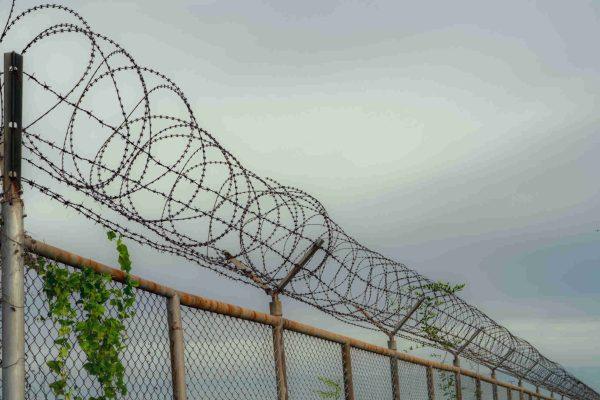











Texas could keep its razor wire along the Mexican border until 2056 under a new federal agreement
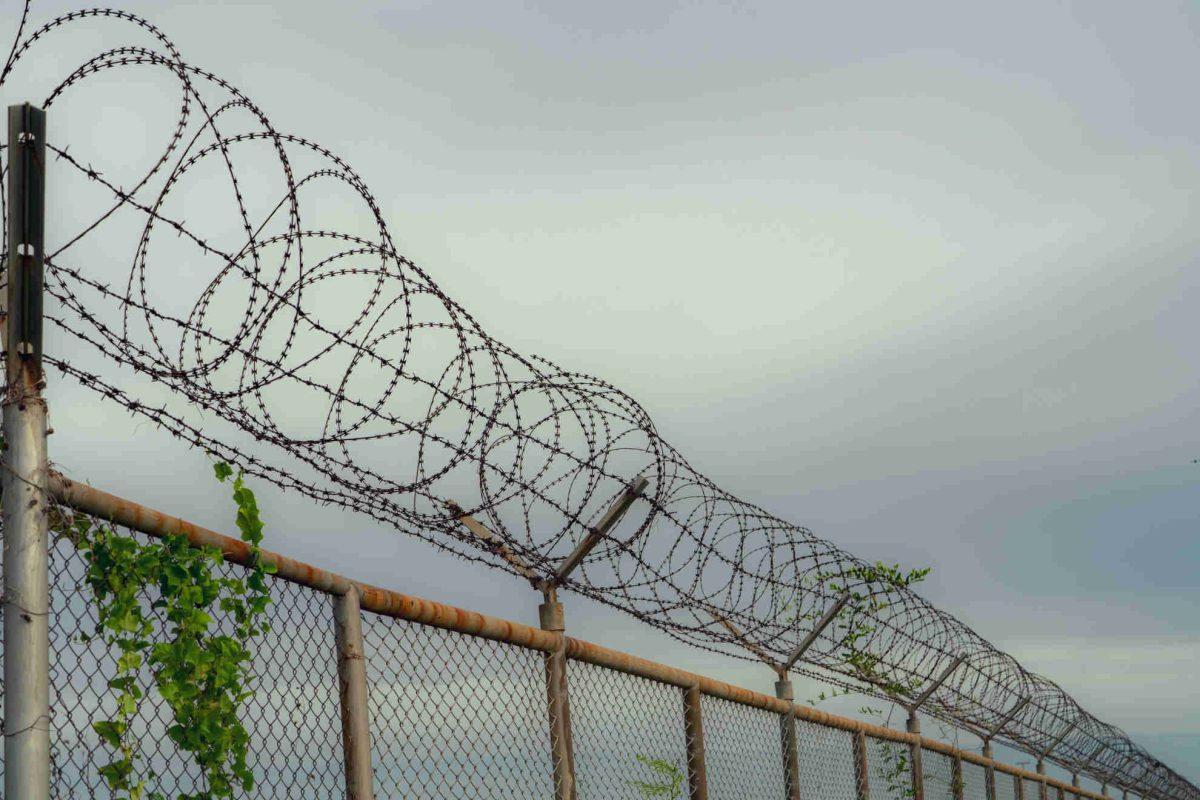
- Texas signed a thirty-year agreement so its razor wire remains along the Mexican border until 2056 in the Del Río sector.
- The pact bars federal agents from cutting or damaging razor wire on non-federal land except during emergencies or public safety threats.
- For those tracking the border pulse, this shift marks three decades of tension and debate.
Thirty years of razor wire and the end of the legal clash in Del Río
The prospect of Texas keeping its razor wire along the Mexican border until 2056 reshapes a fight that started in court in 2023, since the agreement announced by Attorney General Ken Paxton, alongside Governor Greg Abbott, Homeland Security Secretary Markwayne Mullin, and Customs and Border Protection Commissioner Rodney S. Scott, sets clear rules for the Del Río sector.
Under the pact, the Department of Homeland Security, Customs and Border Protection, Border Patrol and future officials cannot cut, destroy, remove or intentionally alter razor wire placed on non-federal land stretching twenty-five miles, roughly forty kilometers, from the Mexican border. In this way, for people following every update on the Mexican border, this agreement closes a fierce court chapter and opens thirty years under different ground rules.
Emergency exceptions, Operation Lone Star and controversy on the river
Although the agreement protects razor wire along the Mexican border for thirty years, the text lays out specific exceptions for emergencies or public safety risks, allowing action to deliver urgent aid, detain and process irregular crossings, respond to serious threats or repair federal infrastructure while notifying Texas within seventy-two hours and attempting temporary repairs when possible.
At the same time, this razor wire rollout ties into Operation Lone Star, the strategy Greg Abbott pushed with support from the Texas National Guard and the Texas Military Department near Eagle Pass and along the Rio Grande banks, where razor-wired buoys also sparked sharp warnings from human rights groups over cuts, entrapment and drowning while state leaders argue they curb irregular crossings and illicit trafficking. In this way, the overlap of state controls, federal operations and humanitarian warnings keeps debate burning on both sides of the Mexican border.
What the agreement through 2056 means for the Mexican border
Looking ahead, keeping this razor wire along the Mexican border until 2056 means physical monitoring and political friction over border enforcement will stay active over the medium and long term across The United States and in Del Río. While Texas state leaders celebrate shielding their barriers from arbitrary cuts or removals and coordinate non-emergency work with federal agencies, arguments over human impact and barrier effectiveness remain front and center. In this way, between institutional pacts and everyday realities along the Mexican border, the agreement casts a long shadow well into the century.
Key takeaways from the agreement on razor wire along the Mexican border
- Three-decade term: The pact ends the 2023 dispute in Del Río and lets razor wire stay along the Mexican border until 2056 under commitments from DHS, CBP, and Border Patrol.
- Limits and 72-hour notice: Federal agents cannot damage or remove razor wire on non-federal land within twenty-five miles except in emergencies or public safety cases with notice to Texas within seventy-two hours.
- Operation Lone Star and debate: The deployment forms part of Greg Abbott’s strategy around Eagle Pass and the Rio Grande, drawing criticism over wired buoys and official defenses centered on security.