

WATCH NOW
Watch on the app










Texas’ hidden boomtown is growing at a pace few cities in America can match
- The real estate boom drives rural areas of the Sun Belt toward a demographic transformation without historical precedents.
- The search for affordable housing and excellent schools solidifies the phenomenon of the new Texas boomtown.
- Young families reconfigure the map of the American South by choosing rapidly expanding suburbs.
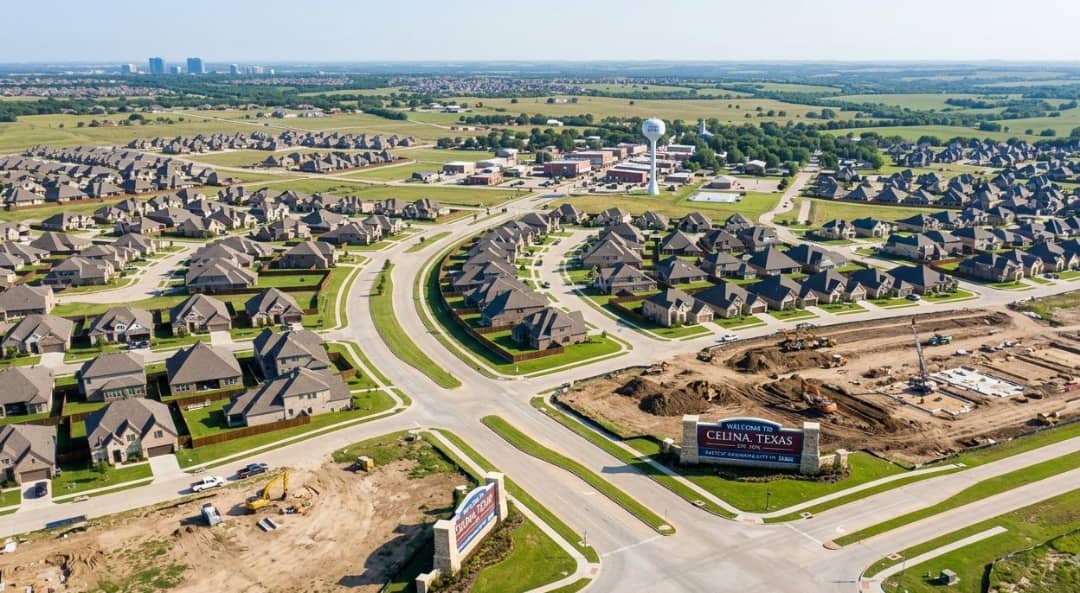
The geography of the American South changes drastically and a small town alters the traditional demographic map of the region. Celina, a suburb located north of the Dallas-Fort Worth metropolitan area, leads the speed of expansion in the country. This phenomenon solidifies the concept of Texas boomtown due to its capacity to attract massive investments and thousands of new residents.
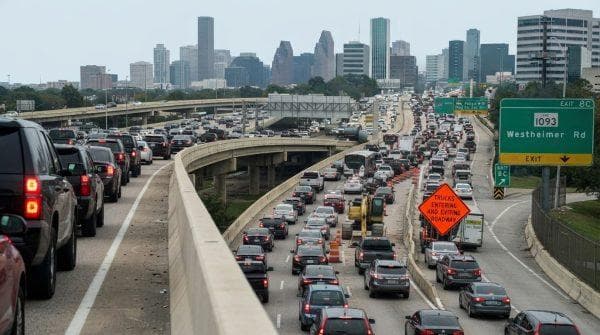
Official data confirms the trend; the U.S. Census Bureau positioned this town as the fastest-developing among the growing cities in Texas. The demographic pace exceeded local projections; consequently, local authorities accelerate urgent roadworks to avoid a traffic collapse.
Infrastructure under pressure from the demographic boom
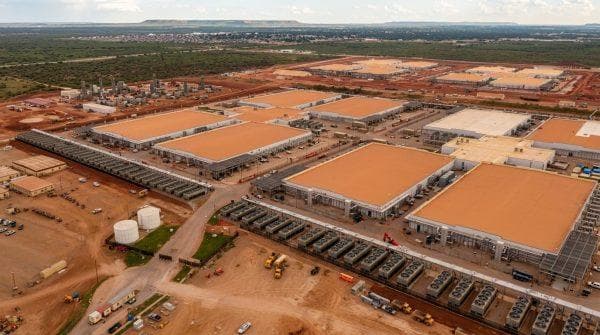
The rural landscape disappeared in a few months, and now, heavy machinery dominates alongside extensive infrastructure projects. Meanwhile, the municipal government works continuously on the expansion of drinking water and sanitation networks, given that the main challenge consists of executing these public works before demand exceeds installed capacity.
Real estate expansion advances without pauses, seeing that developers choose this area due to the availability of large plots of land. Furthermore, new neighborhoods change the local economic dynamics, allowing local authorities to project that the arrival of businesses will allow residents to work near their homes without the need to travel long distances.
The secret behind the new Texas boomtown
Internal migration toward the Sun Belt responds to clear economic factors, housing costs in major metropolises prove prohibitive for young families; therefore, Celina offers an attractive alternative with more affordable properties, more space per square meter and high-level school districts.
The preservation of the social environment concerns original inhabitants. Despite the massive influx of people, the local administration promotes the participation of newcomers in local activities. The main objective lies in maintaining the sense of community that historically characterized the region before the population explosion.
Economic challenges in the growing cities in Texas
Rapid development generates side effects in the community economy. Competition for labor raises the operating costs of local businesses. Small shops and fast-food chains face difficulties filling their vacant positions due to current market demands.
The transformation also impacts the politics and culture of the north of the state, given that the voter profile changes as professionals from diverse regions settle in the territory. This new Texas boomtown represents the faithful reflection of a nation in constant motion, meaning that the adaptability of its institutions will determine the long-term success of its model.
The dynamism of the growing cities in Texas redefines the concept of suburban development in the twenty-first century, meaning that timely strategic planning will prevent orderly progress from turning into urban chaos. Meanwhile, new neighborhoods continue to populate under the promise of a better quality of life.
