

WATCH NOW
Watch on the app













Super El Niño could reshape US weather, here’s what experts expect
- Super El Niño consolidates in the tropical Pacific and transforms the American meteorological landscape.
- Strong climate phenomenon generates alerts across scientific agencies amid potential extreme thermal anomalies.
- Meteorologists warn of severe winters and record precipitation across multiple regions of the country.
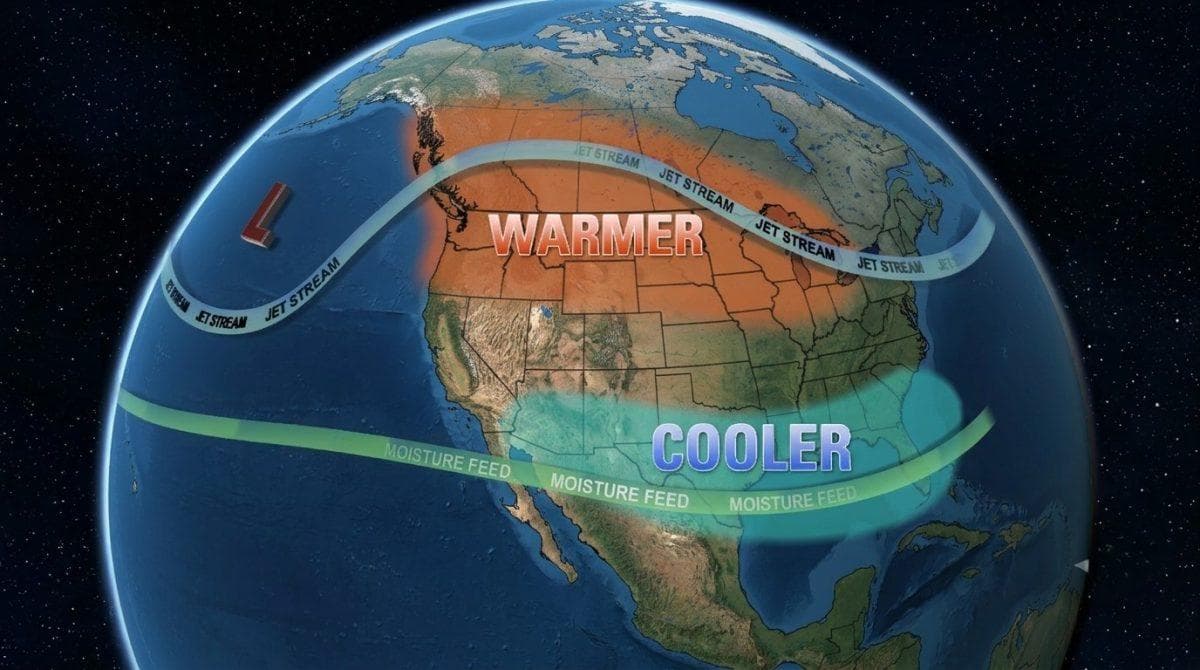
Super El Niño will significantly impact United States territory during the second half of 2026, mobilizing international scientific agencies while the National Oceanic and Atmospheric Administration confirms the presence of thermal anomalies in the tropical Pacific Ocean; likewise, the governmental organization warns of an 81% probability that this strong climate phenomenon will reach very strong intensity between October and December, radically altering temperatures and rainfall patterns throughout much of North America.
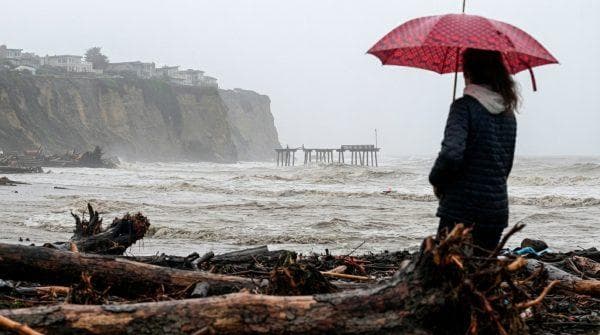
Soon, that climatic alteration will drastically modify global atmospheric circulation, generating concern among experts because historical records point toward severe winters characterized by recurrent storms and floods; consequently, meteorological authorities intensify constant monitoring to prevent natural disasters in the most vulnerable zones of the country, safeguarding entire communities.
Ver esta publicación en Instagram
Regional precipitation impact and vulnerable zones
Currently, specialists from the Climate Prediction Center detail that the highest probabilities of above-average rainfall concentrate in the Gulf states and the Mid-Atlantic region; in consequence, Johnna Infanti indicates that California will receive special attention regarding the frequent arrival of winter storms, increasing operational risks for local civil protection and emergency management systems, facing extreme climate challenges.
Also, that atmospheric dynamic will heavily affect neighboring territories such as Texas, Louisiana, Mississippi, Alabama, Georgia and Florida, where official projections anticipate prolonged episodes of severe weather; nevertheless, coastal communities reinforce their preventive protocols to mitigate damages caused by the drastic increase in winter humidity and sudden persistent heat waves across certain regions.
Zones with higher risk amid thermal anomalies and winter storms
-
California historically leads the regions receiving major attention during intense events due to the frequent arrival of winter storms, which significantly increases the risk of torrential rains and flash floods.
-
The Gulf Coast and the Southeast register high vulnerability conditions where much wetter scenarios are expected to consolidate during winter, worsening local emergencies in states like Texas, Louisiana, Mississippi, Alabama, Georgia and Florida.
-
The scientific agency will maintain constant updates on forecasts as Pacific Ocean warming evolves, warning that the United States would face one of the most severe periods in recent years.
-
Collateral effects will range from prolonged droughts and persistent high temperatures to devastating storms across the entire coastal strip, demanding exhaustive preparation by civil authorities.
Regions threatened by Pacific thermal anomalies
-
Concentrating early alerts in southern states and the Gulf coast regarding the forecast of extreme precipitation during the cold season.
-
Constantly monitoring agricultural zones in California to prevent catastrophic losses caused by flash floods.
-
Deploying additional logistical resources in Alabama and Georgia to respond effectively to any unforeseen climate emergency.
-
Evaluating meteorological behavior in Florida against the latent risk of severe storms throughout autumn and winter.
-
Maintaining permanent communication with federal agencies to update risk reports in real-time.
Additionally, this strong climate phenomenon will alter meteorological conditions in Mexico, provoking an intense hurricane season in the Mexican Pacific that will demand strict binational coordination; therefore, state governments prioritize disseminating preventive information to safeguard urban infrastructure and inhabitant safety, strengthening regional resilience.
Ver esta publicación en Instagram
Economic consequences and future scientific projections
Promptly, economic analysts warn that the magnitude of this climate event will generate millionaire costs in public infrastructure and transportation system repairs; in consequence, official NOAA projections indicate that damages in coastal zones will surpass historical averages registered during the last decade, demanding extraordinary mitigation budgets, exceeding local budgets.
Likewise, the persistence of elevated surface temperatures in the Pacific Ocean complicates the rapid recovery of affected marine ecosystems, while scientific institutions evaluate the cumulative impact of these global thermal anomalies; while local administrations rethink their urban plans to withstand increasingly frequent extreme meteorological phenomena, consolidating strategies oriented toward protecting the most exposed communities against Super El Niño.
