

WATCH NOW
Watch on the app














Elon Musk’s answer to Earth’s growing data center problem could be a million satellites in space
- Elon Musk’s answer to data center strain on Earth takes shape with Starmind, a project approved for a million satellites in orbit.
- The FCC backs SpaceX’s space push to power artificial intelligence with solar energy, while Amazon and astronomers fire off sharp criticism.
- The plan raises questions over laser links, space junk and orbital collisions as communities and companies look for alternatives in The United States.
Orbital green light and an unprecedented bet against Earth’s limits
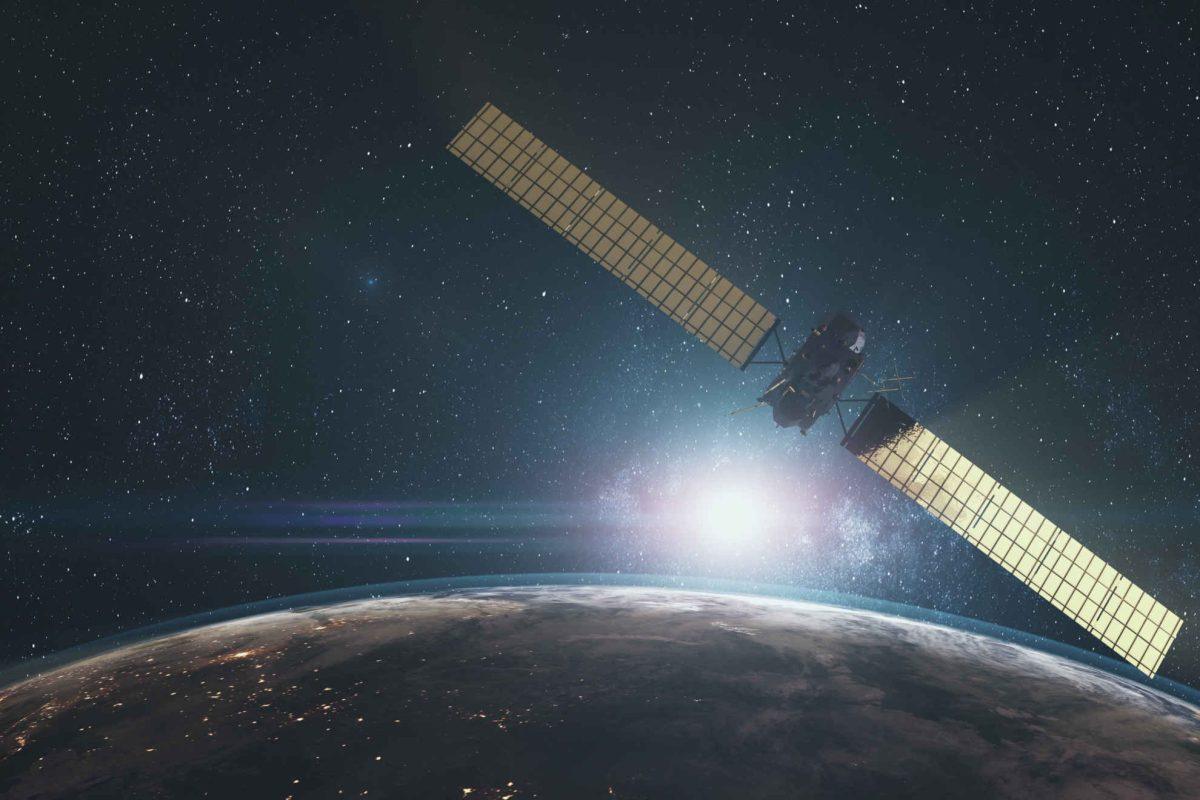
Elon Musk’s answer to Earth’s growing data center problem just hit a major milestone after the Federal Communications Commission approved SpaceX’s Starmind project in The United States to launch up to a million satellites into low Earth orbit, between 500 and 2,000 kilometers high, where they will tap sunlight to process artificial intelligence and beam results back through Starlink links.
While FCC chair Brendan Carr praised the move as a bold frontier for superintelligence and economic leadership across The United States and Musk posted on X that it will serve as a huge asset for the country and the world, giants like Google and Blue Origin are also eyeing orbit as an eco-friendlier path given the strain from ground facilities that guzzle massive power and cooling water and already face neighborhood pushback and even political blowback amid booming artificial intelligence. Even so, the license timeline requires deployment to start no later than November 2033, hit 10% by November 2035, and reach 50% by November 2038 after a first launch planned next year, leaving open whether a million satellites will actually fly or whether SpaceX requested extra headroom.
Night skies on edge, laser links and pushback from critics and scientists
Against official enthusiasm, Elon Musk’s answer to data center growth sparked a wave of technical and environmental pushback, led by Amazon, which called the plan overblown ambition rather than a real roadmap and by the American Astronomical Society, which warned that larger, brighter and more numerous objects would undermine decades of astronomy investment and night-sky observation.
Along those same lines, Professor Martin Sweeting of Surrey Satellite Technology Ltd noted that while the concept looks technically doable, officials still need to test large-scale feasibility and refine ground-to-orbit laser links to handle heavy two-way data traffic, while Earthjustice senior attorney Jan Hasselman warned that rapid satellite growth directly hits everyday life and the planet’s future. For communities across The United States and around the globe, including the Latino community watching the environmental and tech fallout of these calls, the debate blends urgent artificial intelligence computing needs with worries over dimmer night skies and heavier environmental strain.
Space junk, collisions and the real tug-of-war in low Earth orbit
Beyond media hype, Elon Musk’s answer to data center demand runs straight into the physical risks of crowding low Earth orbit, where every added satellite raises collision odds that could damage hardware or send debris falling back toward Earth. Although SpaceX argues that orbital data centers run more energy-efficiently and cost-effectively than building giant complexes on land and Musk pushed back against claims of space congestion or squeezing out rivals with Starlink, specialists warn that launching, cooling, powering and protecting space hardware remains tricky amid mounting space junk. In this way, the race to ease Earth’s data center bottleneck sets up a high-stakes clash between aerospace ambition and the real-world limits of physics and orbital traffic.