

WATCH NOW
Watch on the app












Florida’s nonstop rain is throwing the biggest party for mosquitoes
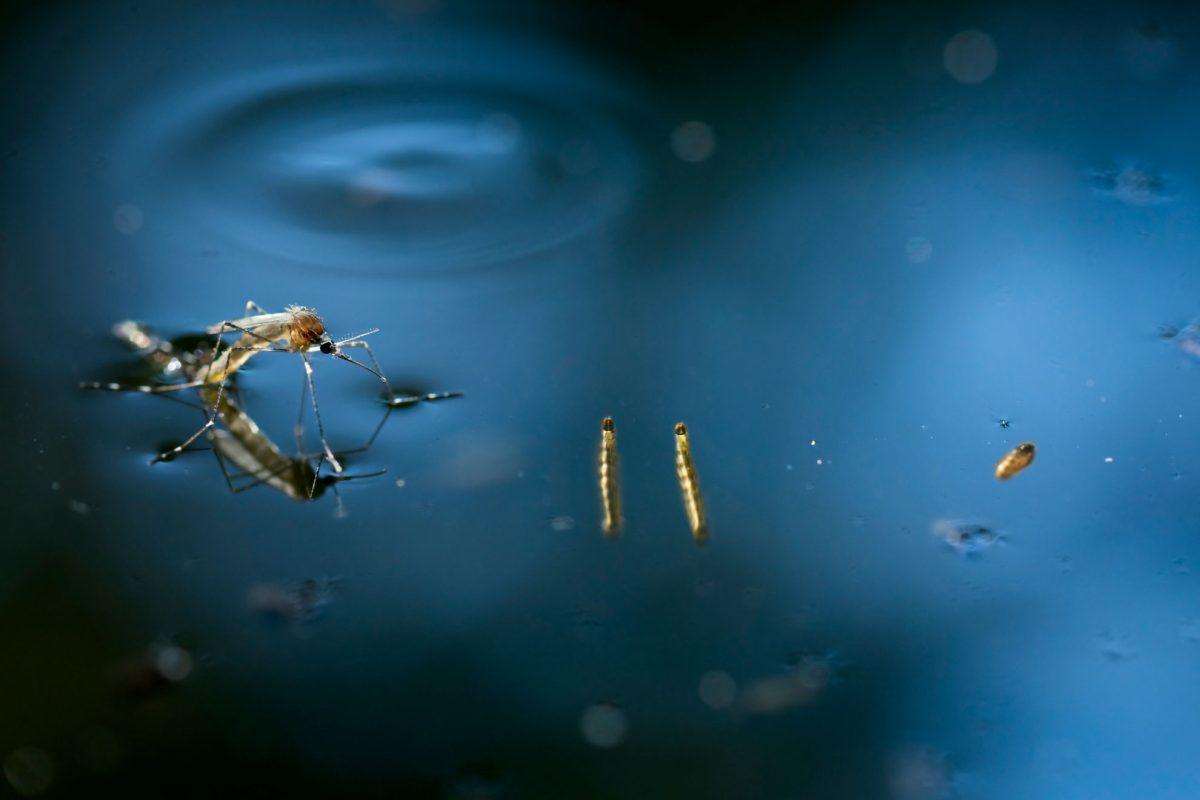
- Florida’s nonstop rain is throwing the biggest party for mosquitoes after a long drought stacked up Aedes aegypti eggs until June water set them off.
- Centered on Hillsborough County and the Tampa area, the outbreak reaches nearly 500 local infections, an 80-year-old woman’s death in September, and 19 positive pools since July.
- Climate studies and experts like Eva Buckner, Gabriela Henderson, and Erin Mordecai warn how heat and water push dengue past endemic regions.
When rain in Florida spikes mosquitoes and the dengue outbreak
The story of how Florida’s nonstop rain is throwing the biggest party for mosquitoes gains traction around nearly 500 local dengue cases, the largest locally acquired outbreak in the continental United States in almost a century, after travelers infected in places like South America, Asia, or Africa passed the virus to local mosquitoes in a state where Aedes aegypti already lived and where a prolonged drought left drought-hardy eggs piled up until June rains triggered a massive hatch right before a hot, humid summer.
While University of Florida entomologist Eva Buckner calls the situation completely unprecedented and officials reported an 80-year-old woman’s death in Tampa in September, Hillsborough County draws close focus with daily female mosquito samples tested in pools of 25 per tube that turned up 19 positives since late July. In this way, rain, heat and local spread turned a rare threat in this area into a public health spotlight.
Tampa, Hillsborough County and how climate affects mosquitoes
Beyond the early numbers, seeing how rain in Florida boosts mosquitoes makes more sense in Hillsborough County and Tampa, where Gabriela Henderson of Mosquito Control explains that the area north of Ybor City draws steady foot traffic from businesses and daily commutes alongside unhoused residents, and where the team rarely handled local spread despite strong infrastructure.
At the same time, Stanford University researcher Erin Mordecai, co-author of a study across 21 countries in Latin America and Asia, points out that climate change raises the odds of hitting 84 degrees Fahrenheit, or roughly 29 °C, prime for dengue transmission, linking about 18 % of the global burden from 1995 to 2014 to warming and projecting 49 % higher numbers in the best case or 76 % in the worst case by 2050. Therefore, even though cooler, drier weather started slightly lowering weekly incidence in Florida, specialists push using repellent and dumping standing water around homes to cut down Aedes aegypti breeding spots.
What this dengue outbreak means for people living in or visiting Florida
Equally, seeing how rain in the state of Florida drives mosquito growth makes clear that shifting climate patterns and travel reshape where the Aedes aegypti virus circulates in the United States. While health officials investigate how the outbreak started and residents in Florida, including the Latino community across the state and in areas like the Tampa region, step up everyday protection against mosquitoes, every container emptied of standing water counts alongside public campaigns, since caution ahead of future spikes and daily prevention make the difference.